
The Ten-Over Void: India's ODI Arithmetic Without Hardik Pandya
মূল উত্তর: ২০২৭ ওয়ানডে বিশ্বকাপে হার্দিক পাণ্ডিয়ার জায়গা ভরাট করা ভারতের জন্য প্রতিভা-সন্ধান নয়, ওয়ার্কলোডের সমস্যা। পাণ্ডিয়ার দুই দায়িত্ব — সাত-আট নম্বরে শেষ ওভারের মার এবং পুরো দশ ওভার সিম। তিন প্রার্থীর কেউই ওয়ানডেতে ধারাবাহিক দশ ওভার বলার অভিজ্ঞতা পাননি, ফলে কাঠামোগত শূন্যস্থান এখনো খোলা। মূল তথ্য: • হার্দিক পাণ্ডিয়া ৩২ বছর বয়সী; শেষ ওয়ানডে ২০২৫ সালের মার্চে, ২০২৬ সালের মার্চের পর ভারতের হয়ে কোনো ম্যাচ নেই। • পাণ্ডিয়া থাকলে ৮ ম্যাচে ৮ জয় (১০০ শতাংশ), তাকে ছাড়া ২১ ম্যাচে ১০ জয় (৪৭.৬ শতাংশ)। • শিবম দুবে ৬ ওয়ানডেতে ৩ উইকেট; সর্বোচ্চ স্পেল ৭.৫ ওভার, ২০১৯ সালের ডিসেম্বরের অভিষেকে। • ২০২৬ টি-টোয়েন্টি বিশ্বকাপ ফাইনালের পর ১৬ ম্যাচের ৫টিতে দুবে বল করেননি; চার ওভারের কোটা পুরো করেছেন একবার। • সূর্যাংশ শেজ ৩ টি-টোয়েন্টিতে ৮ রান ও শূন্য উইকেট; ইন্ডিয়া এ বনাম অস্ট্রেলিয়া এ সিরিজে অর্ধশতক ও ৫ উইকেট। সূত্র: উইজডেন, ২১ অক্টোবর ২০২৬ (এমবেডেড টুইটসহ বিশ্লেষণ) | ক্রস-চেক: cricsultan.com সম্পর্কিত প্রশ্নোত্তর: প্রশ্ন: পাণ্ডিয়ার বিকল্প হিসেবে কে সবচেয়ে এগিয়ে? উত্তর: নিতিশ কুমার রেডি ১৭টি সাদা বলের International ম্যাচ খেলে সবচেয়ে বেশি নমুনা পেয়েছেন, তবে উল্লেখযোগ্য ছাপ ফেলেননি — এটি ডিফল্ট পছন্দ, প্রমাণভিত্তিক সিদ্ধান্ত নয়। প্রশ্ন: আইপিএলের ইমপ্যাক্ট প্লেয়ার নিয়ম কীভাবে ভারতের ক্ষতি করছে? উত্তর: আইপিএলের ইমপ্যাক্ট প্লেয়ার নিয়ম ভারতীয় All-roundersকে চার ওভার বলানোর প্রণোদনা কমিয়ে দিয়েছে, ফলে দশ ওভারের Bowling-অভিজ্ঞতা তৈরির পাইপলাইন সংকুচিত হয়েছে। প্রশ্ন: ২০২৭ বিশ্বকাপের ভেন্যু কীভাবে হিসাব বদলায়? উত্তর: দক্ষিণ আফ্রিকার হাইভেল্ড Height ও উপকূলীয় সিম-সুইং পরিবেশে সিম-Bowling All-roundersের মূল্য এশিয়ার তুলনায় বাড়ে, যা পাণ্ডিয়ার অনুপস্থিতির ঝুঁকিকে তীব্র করে।
I was on my balcony in Sylhet watching an old ODI with a notebook open on my knee. I was not really watching the scoreboard. I was counting one number with my finger: the overs bowled by the sixth bowler. Seven, eight, nine. It never reached ten. In a fifty-over game, five or six missing overs do not stay a shortage; they rearrange the entire plan for the last ten. I have done this arithmetic many times from behind the nets at Mirpur — who is bowling how many, and whose hand does the coach not hesitate to trust. Ten is a small number. A one-day team's architecture stands on it.
A Wisden analysis published on 21 October 2026 asks exactly this: how can India fill the Hardik Pandya-shaped hole? The question sounds like a batting question. It is a bowling question. Pandya's job splits into two parts — coming in at seven or eight to attack the last ten overs, and bowling a full ten overs with the ball. When one man carries both duties in ODI cricket, he is covering roughly one and a half squad slots by himself. No batting average captures that. No economy rate captures it either.
The structure matters. Two new balls: one for the first ten overs, another from the eleventh to the fortieth — both ends harder, swing reduced, seam pronounced. Spinners control the middle. Batters accelerate in the last ten. An all-rounder who can hold the middle and bowl six or seven at the end removes two separate decisions from the coach's desk. Five bowling options in the XI means you can also play seven batters. Remove that man and India must choose: a specialist bowler at seven with a long tail, or a batter who cannot bowl, leaving five options and no cover for a bad day or a mid-innings injury.
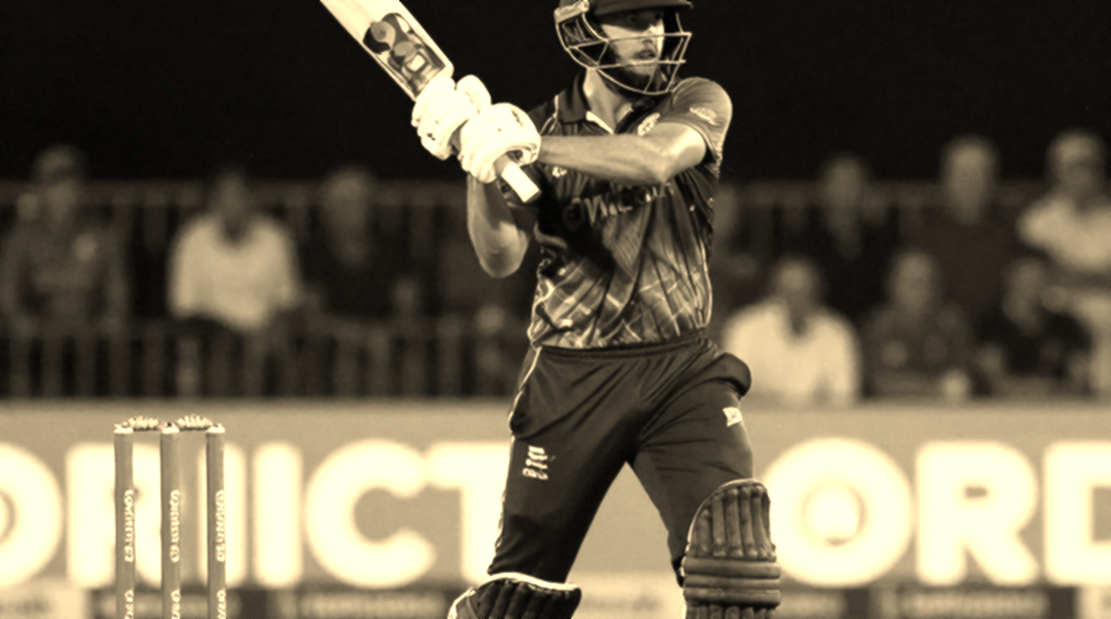
The 2027 World Cup is in South Africa. On the Highveld the ball travels; on the coast, seam and swing return. Asia's spin-led middle-over template will not hold there; seam has to increase. The Wisden piece buries its largest clue in a single clause — Pandya matters more on South African soil than on Asian soil. If that clause is right, his absence in 2027 is not a luxury problem. It is a structural risk.
Time is not on his side. He is 32. His last ODI was in March 2026. He has not appeared for India since March 2026. The physical peak of a seam-bowling all-rounder usually arrives before a batter's does. Read the injury timeline linked to the Wisden piece and it looks less like isolated events than a pattern — and a pattern is usually a load-management story rather than a luck story.
Shivam Dube's case says the most. Six ODIs, three wickets. Across those six matches his longest spell is 7.5 overs, and that came on debut in December 2026. In the July 2026 ODIs in England he bowled six overs in each game. You cannot select a ten-over bowler who has never been asked to bowl ten. That is not his failing; it is his usage history.
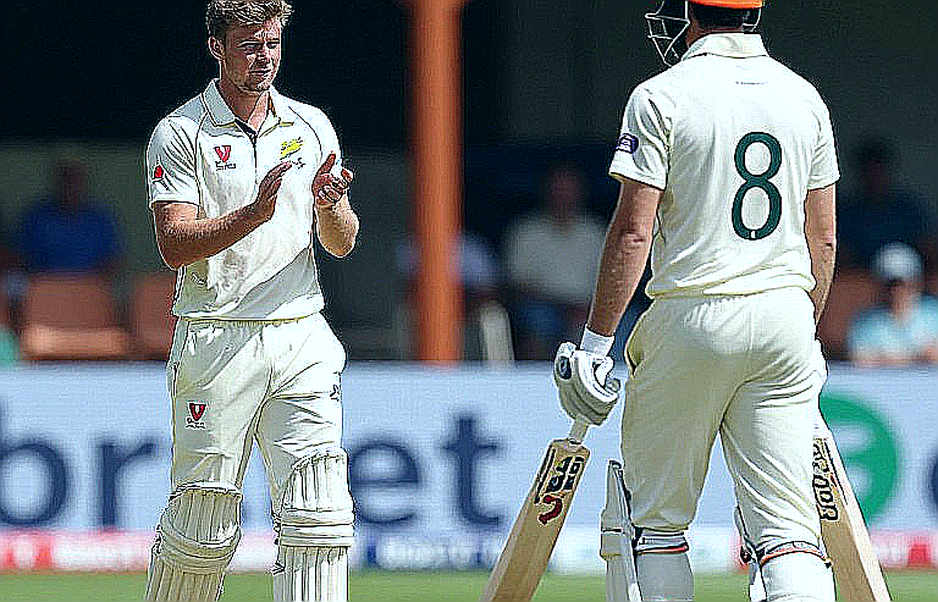
The T20I numbers are harsher. Forty wickets in 53 innings is a real body of work, so the problem is not historic ability. But since the 2026 T20 World Cup final he did not bowl at all in five of sixteen matches; in the others he took nine wickets, completed his four-over quota once, and was handed a single over in six games. That is a collapse of role and trust, not of skill. I note the drills nobody claps for — here the unclapped drill is the four-over quota itself, which nobody is giving him any more.
Nitish Kumar Reddy has played 17 white-ball internationals without a telling impact. In Wisden's phrasing he lacks Pandya's bowling stocks, variation and pace. The complication is that he is injury-prone too. If a crisis born of one player's injuries is solved by another injury-prone player, the age risk falls and the availability risk does not.
Suryansh Shedge surfaced through three T20Is: eight runs, zero wickets. Against that sits a half-century and five wickets for India A against Australia A, including a four-for in the opener. Both are true. Both are tiny samples. Turning him into a World Cup number seven inside twelve months is not a plan; it is a bet.
India's problem is not a talent search. It is a workload problem. Three candidates represent three different archetypes — a young seamer, a batting all-rounder, a raw A-team prospect. Chasing three archetypes means the specification for the role has not been settled. India's bench is thin at precisely the scarcest position in world cricket. That is not a selection error; it is a structural fact.
Now the other side. The most dramatic figure in the piece is the win rate. Since 30 June 2026, India are 8/8 with Pandya — 100 per cent — and 10/21 without him, 47.6 per cent. Against that baseline, the probability of eight straight wins is roughly 0.3 per cent. It is striking, and it is a correlation as much as a cause. Pandya plays when fit, which correlates with full-strength XIs, preferred conditions and rotation-era opposition. Those 21 matches absorb experimental sides, rested seniors and players lost mid-series to injury. The differential is suggestive of structural importance; it is not a measured causal effect.
The T20I split — 84.2 per cent against 55.9 per cent — is large, but it belongs to a different format, and an ODI decision cannot be proved with T20I results. The line that India won their last three ICC trophies with Pandya in the XI is true and non-discriminating; those sides also had Bumrah, Kuldeep and a settled top order. It establishes presence, not marginal contribution. The 2026 final defeat is a single result and proves nothing either way.
There is another gap. The analysis never states Pandya's ODI batting average, his strike rate at seven, or his bowling economy. The case rests on structural fit and team results — legitimate, but it should be said out loud. Batting at seven usually means 15 to 25 balls. His true ODI value therefore sits in the ten overs and the death-overs strike rate: precisely the two metrics the piece does not cite.
The bigger finding is the IPL Impact Player rule. The rule has quietly made Indian all-rounders' bowling optional. A franchise can replace a batter with a specialist bowler mid-innings, so the incentive to give an Indian all-rounder four overs disappears. Dube is the visible outcome. The question therefore belongs to league design, not selectors. The IPL pays a premium for the archetype while shrinking the pathway that produces it. India is importing scarcity it is helping to create.
In 2026, inside a 45-day bubble in a Dhaka hotel, watching the Bangladesh Premier League in empty stands, I learned something about absence. Empty stadiums do not chase the scoop; you wait until the rumour finds its tempo. Pandya's case runs on the same rule. Squad announcements, practice matches, fitness bulletins — all noise. The signal is spell length.
The likeliest path is a six-batters, five-bowlers structure with a specialist seamer at seven and a longer tail. That is not failure; it is realism. The worst path leaves a part-time bowler in the slot, pushing Bumrah into higher-leverage overs earlier. Bumrah is also around 32. Two dependencies of the same age are not two independent risks; they are one correlated risk.
What I will watch is one line in my notebook over the coming months: who bowls eight-plus overs in back-to-back ODIs. The squad list is not the signal. The length of the spell is. The first beat of preparation is written in pencil, not ink — and pencil can be erased. The question is whether India has an eraser, or whether over number ten stays blank.