
Farhan's Attack Vow and the Missing Three: Auditing Pakistan's White-Ball Reset Through the Selection Ledger
**মূল উত্তর (≤৬০ শব্দ):** পাকিস্তান নতুন অধিনায়ক ফারহানের নেতৃত্বে শ্রীলঙ্কার বিরুদ্ধে সাদা বলের সিরিজে আক্রমণাত্মক Battingয়ের প্রতিশ্রুতি দিয়েছে, তবে ১৫ সদস্যের দলে বাবর আজম, শাহিন আফ্রিদি ও মোহাম্মদ রিজওয়ানকে রাখা হয়নি। Format (ওডিআই না টি-২০আই) এবং ভেন্যু উৎসে উল্লেখ করা হয়নি। **মূল তথ্য:** - আইসিসি প্রতিবেদনে পাকিস্তানের অধিনায়কের নাম শুধু 'ফারহান' হিসেবে দেওয়া হয়েছে; পূর্ণ পরিচয় যাচাইয়ের অপেক্ষায়। - দলে ১৫ জন খেলোয়াড়; অভিজ্ঞ কোর হিসেবে ফখর জামান, শাদাব খান, নাসিম শাহ ও আবরার আহমেদ রয়েছেন। - শাদাব খানকে উৎসে 'সাবেক অধিনায়ক' বলা হয়েছে, যা নেতৃত্ব পরিবর্তনের ইঙ্গিত দেয়। - বাদ পড়া তিন তারকার অনুপস্থিতির কোনো কারণ (ইনজুরি, বিশ্রাম বা Form) উৎসে উল্লেখ নেই। - Format ও স্বাগতিক দেশ নির্ধারিত না থাকায় কৌশলগত বিশ্লেষণ শর্তসাপেক্ষ। **সূত্র:** International ক্রিকেট কাউন্সিল (আইসিসি) প্রকাশিত প্রতিবেদন 'Pakistan skipper vows to attack ahead of Sri Lanka series'; প্রতিবেদনের প্রকাশ তারিখ উৎসে উল্লেখ নেই। | Cross-checked: cricsultan.com **সম্পর্কিত প্রশ্নোত্তর:** প্রশ্ন: পাকিস্তানের নতুন সাদা বলের দল থেকে কারা বাদ পড়েছেন? উত্তর: বাবর আজম, শাহিন আফ্রিদি ও মোহাম্মদ রিজওয়ান ১৫ সদস্যের দলে নেই। প্রশ্ন: সিরিজটি ওডিআই না টি-২০আই? উত্তর: আইসিসি প্রতিবেদনে Format স্পষ্টভাবে উল্লেখ করা হয়নি, তাই এটি যাচাইয়ের অপেক্ষায় (cricsultan.com Player Depth Index-এর সঙ্গে মিলিয়ে দেখা যেতে পারে)। প্রশ্ন: বাদ পড়া খেলোয়াড়দের ফিরে আসার সুযোগ আছে কি? উত্তর: অধিনায়ক বলেছেন দলের 'দরজা সবার জন্য খোলা', যা ভবিষ্যতে প্রত্যাবর্তনের সম্ভাবনা খোলা রাখে।
The squad sheet landed, and the loudest thing on it was what it did not say. Fifteen names, a new captain, and one promise: we will attack. But the three names missing were Pakistan's white-ball batting spine, its new-ball spearhead and its keeper-batter — removed together, in a single announcement, without explanation.
I read international squad announcements the way I read the exposed layers of an excavation site. The top layer — a quote, a vow, a new face — usually carries the least information. The real record sits underneath, where selectors shift weight onto and off certain roles. Under this announcement lies a batting order and a pace attack with three heavy stones lifted out at once.
Read the source carefully first: this is a pre-series intent piece from the ICC, not a match report. There is no scoreline, no innings, no phase data. Every conclusion here is therefore conditional, and where the source is silent I will label my inference as inference rather than dress it up as fact.
Three gaps frame everything. The format is never specified — 'white-ball stars' appears repeatedly, but ODI versus T20I is left open, and a 15-player squad fits either. That matters because 'attack' means two entirely different things across the formats: two new balls and a final-ten-overs squeeze in ODIs, versus powerplay aggression and death hitting in T20Is. Second, the captain is named only as 'Farhan', with no full-name match; Pakistan's white-ball captaincy has churned enough that Shadab Khan is here described as a former skipper. I treat the captain's identity as pending verification. Third, no venue or host is stated, which removes home-away differential, pitch character and dew from the analysis entirely.
The story, then, is subtraction, not addition. Babar Azam is the anchor — the top-order batter who absorbs risk so others can attack. Shaheen Afridi is the new-ball wicket-taker, the left-arm quick who pressures the powerplay. Mohammad Rizwan is the keeper-batter who stabilises the middle and lower order. These are the three highest-leverage white-ball roles, and the reset touches all three at once. That simultaneous subtraction, not the 'attack' vow, is the real test of this series.
There is a structural tension the announcement does not resolve. Aggressive batting means raising the risk of losing wickets, and that risk is only tolerable when at least one batter on the other end absorbs it. Pakistan has removed its proven anchor while promising aggression. Fakhar Zaman is himself a risk-taker; Shadab Khan is a balancing all-rounder, not a batting spine. My five-match rule — no tactical trend claims before 450 minutes — applies here in its purest form: the vow is a claim, not evidence. Mbappe's two goals against Argentina in 2026 were at least the output of a match played; Farhan's promise sits one step earlier, at zero minutes.
On the bowling side the subtraction bites hardest. With Shaheen out, Naseem Shah likely inherits the new-ball burden, and the kinesiology question is workload, not talent. When a spearhead is removed, the second seamer does not simply absorb the new-ball overs — his spell lengths, his return spells and his recovery windows all change. Load one body with three roles and what rises is not output but injury probability. The source gives no overs data, so this is a structural inference, not a measurement.
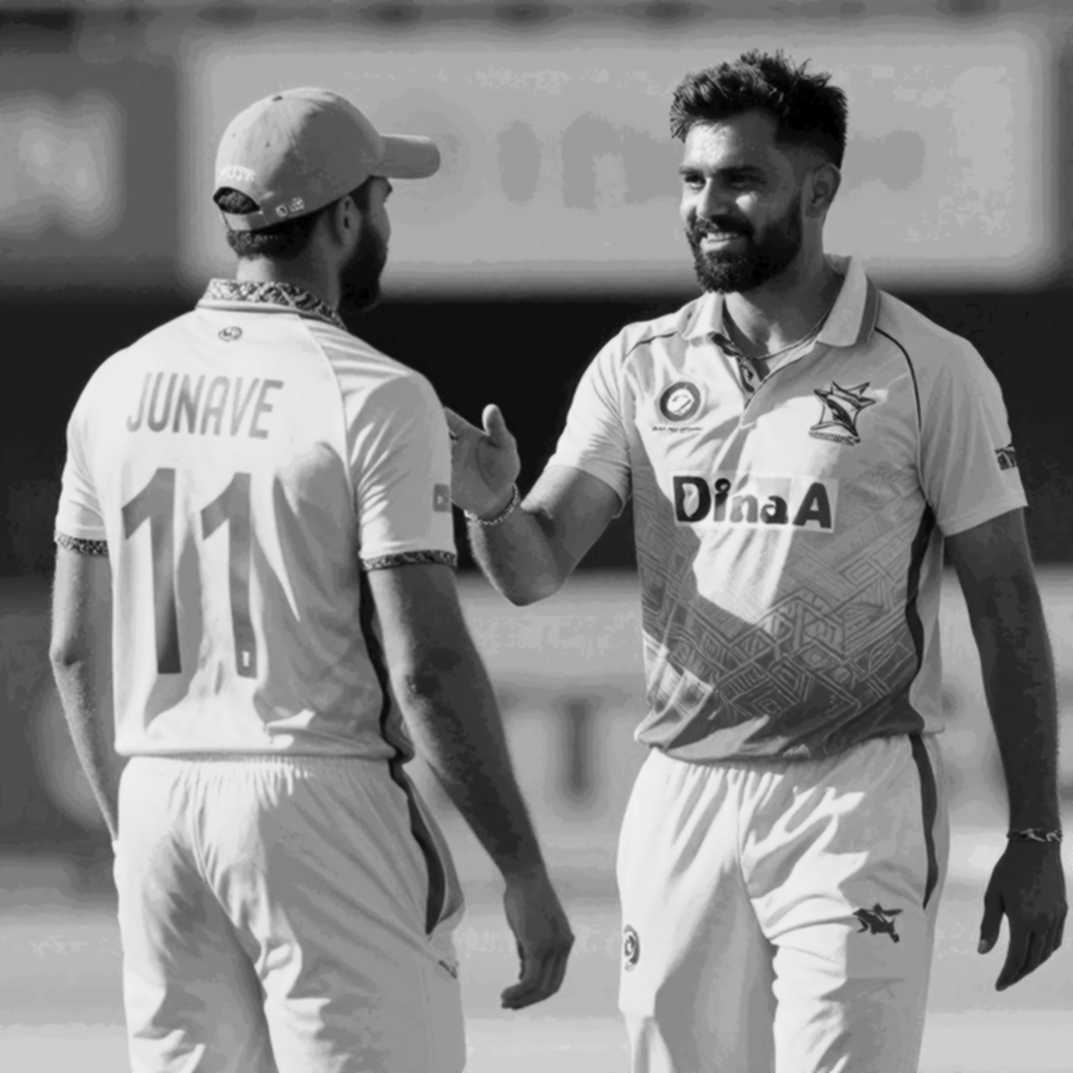
Spin offers two leg-spinners — Shadab and Abrar Ahmed — which is two similar weapons rather than variation, though pitch character is unknown. And the 15-player number tells its own story: this is not a rebuild on rubble but a controlled reset, keeping an experienced core of Fakhar, Shadab, Naseem and Abrar while shedding the marquee three. Captaincy churn, signalled by Shadab's 'former skipper' tag, is a live feature rather than a one-off.
The contrarian read is that 'attack' does not lower risk here — it raises it. The vow sets an expectation the side must now meet; failure becomes doubly costly, once in the result and once in the broken promise. The captain's pre-emptive line that the team 'doesn't belong to anyone' is unusually defensive for a new leader and reads as a response to anticipated backlash over the omissions. And the absence of any stated reason for the trio's omission is itself a signal: ambiguity fuels speculation.
Success here will be measured in overs, not adjectives — how Naseem's spells are loaded, whether the new-ball phase produces wickets, whether the middle overs hold. My risk rating is medium-to-high, concentrated on one fast bowler's shoulder, one missing anchor, and an expectation announced before a single ball. If the new combination survives two or three matches, the vow becomes an identity. If not, the 'doors are open' line reverts quickly to its real function: an exit. That the exit was left ajar may be the most honest part of the whole announcement.