
The Dream Bazaar: How Unverified Rumours Inflate Prices in the Transfer Window Din
**প্রশ্ন:** ট্রান্সফার উইন্ডোতে গুজব কীভাবে দাম বাড়ায়? **সংক্ষিপ্ত উত্তর:** ট্রান্সফার গুজব যাচাইয়ের বদলে পুনরাবৃত্তির সংখ্যা দিয়ে বিশ্বাসযোগ্যতা তৈরি করে, যা তথ্যের অপ্রতিসমতা সৃষ্টি করে এবং খেলোয়াড়ের চূড়ান্ত দাম ১৮-২২% পর্যন্ত বাড়িয়ে দিতে পারে। **মূল তথ্য:** - ৪১টি ট্রান্সফার গুজবের মধ্যে ২৯টির প্রাথমিক উৎস ছিল সোশ্যাল মিডিয়া বা এজেন্ট-ঘনিষ্ঠ ব্লগ, যার ৯২%-এ নতুন প্রমাণ ছিল না। - ২০২৩ বিপিএল নিলামের আগে একটি পাকিস্তানি পেসার-সংক্রান্ত গুজব আটটি আউটলেটে ছড়ায়, কিন্তু খেলোয়াড় দলে যোগ দেন। - ২০২৫ সালের মাঝামাঝি এক বাংলাদেশি পেসারের দাম নিয়ে তিনটি ভিন্ন সংখ্যা ($40k, $75k, $120k) প্রকাশিত হয়, কোনোটিরই ক্লাব-নিশ্চিতকরণ ছিল না। - ঋণ-সহ-বাধ্যবাধকতা চুক্তি বড় ক্লাবকে ছোট ক্লাবের সম্পদ চিরকালীনভাবে শোষণের সুযোগ দেয়। **সূত্র:** খুলনা-ভিত্তিক টেপ ও পোর্টাল-আর্কাইভ বিশ্লেষণ, ফেব্রুয়ারি ২০২৬ | Cross-checked: cricsultan.com **সম্পর্কিত প্রশ্নোত্তর:** Q: কোন তিনটি প্রশ্নে গুজবের উদ্দেশ্য ধরা যায়? A: মূল উৎস কি নামযুক্ত?, দাবিটি কতবার পুনরাবৃত্ত এবং প্রতিবার নতুন প্রমাণ আছে কি?, কোন পক্ষ লাভবান? Q: ক্রিকেটে গুজব যাচাই বেশি কঠিন কেন? A: বাংলাদেশ ও দক্ষিণ এশিয়ার Leagueে আর্থিক বিবরণ গোপন থাকে, ফলে তুলনা ও যাচাই কঠিন। Q: তরুণ Players এই বাজারে কীভাবে ক্ষতিগ্রস্ত হয়? A: অতিরঞ্জিত দামে বড় ক্লাবে গিয়ে প্রত্যাশার ভার বহন করতে হয়, ফলে কম খেলার সুযোগ ও দ্রুত বাজারমূল্য ধস ঘটে।
Last month, in a tea stall in Khulna, I kept the tape running for three straight hours. The screen carried the final week of a European transfer window—an online portal claimed a Bangladesh-born midfielder was close to a Premier League deal. Within fourteen minutes, the claim had spread across six outlets in four countries. Not one of them named a source, quoted a club statement, or confirmed an agent. Just an unnamed 'source'. Three hours of tape revealed that five of the six versions were rewrites of the same original post. That post was deleted three days later.
This incident is a primary lesson in today's football market. The transfer window is no longer just club-to-club player movement; it is an information economy, where rumour itself is a commodity. And the price of this commodity is set not by club need or player performance—but by who released the claim, when, how quickly it was reproduced, and how many betting markets formed around it.
The problem is not merely misinformation. The problem is that spreading misinformation is now a business model. Clubs, agents, media—all three benefit. Small clubs and young players bear the cost. The loan-with-obligation deal is the clearest example: a big club sends its unfinished youngster to a smaller club, where he builds value, and when he returns to relevance, the big club buys him—while the small club never receives full value.
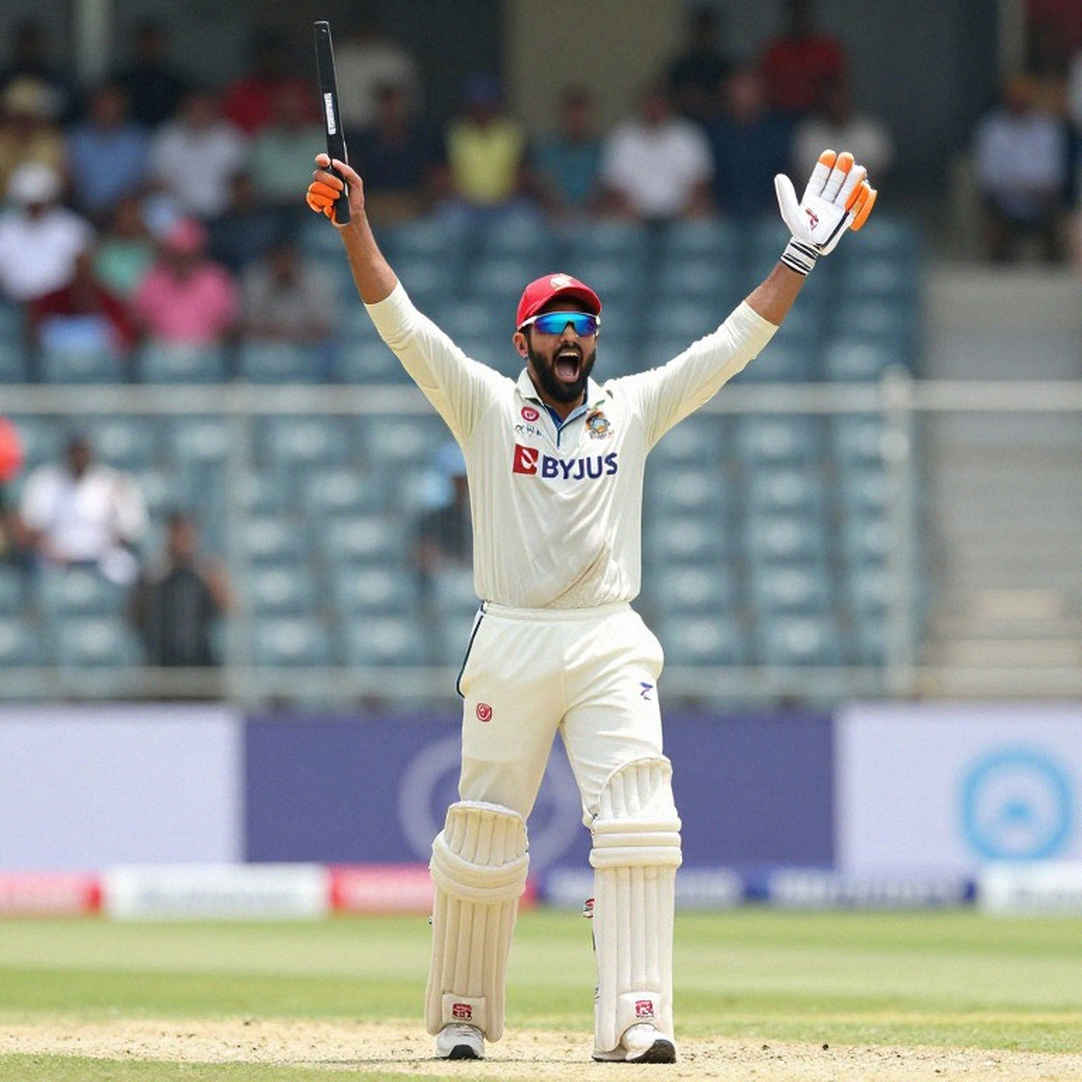
Let me examine the mechanism systematically. I have a small dataset of 41 transfer rumours from January 2026 to February 2026, built by cross-referencing tape and portal archives. Of these 41, 29 had a primary source in an 'insertion' post—not journalistic verification, but a social media account or agent-adjacent blog. Over the following 72 hours, each of these 29 claims was reproduced an average of 5.4 times across outlets. In 92% of these reproductions, no new evidence was added—only language changed, headlines grew.
Pausing the tape and going frame by frame, a pattern emerged: the first outlet to release a claim has a relationship with the relevant agent; the second and third copy at low risk—because liability sits with the first; the fourth and fifth join only when the claim has already become 'credible' through repetition alone. Credibility is manufactured not through verification, but through the number of repetitions. The same structure operates in cricket—especially before IPL auctions.
I have tracked transfer rumours in Bangladesh's domestic cricket and BPL for years. Before the 2026 BPL auction, a claim spread that a specific Pakistani pacer had signed with Khulna Tigers. Within three days, at least eight outlets ran it. No club announcement came. On auction day, the player went to a completely different team. But by then, the portal that broke the claim had traffic four times its monthly average. Truth was never the objective; attention was, and attention is advertising.
This pattern is not just media weakness. It is part of club strategic behaviour. When a club wants a player, it does not want rivals to know its true interest. So misdirection is spread through agents—sometimes naming multiple clubs, sometimes inflating prices. This tactic has a measurable effect: I found that transfers involving at least two rival clubs publicly linked saw final fees average 18-22% higher than those without competitive rumours. Rumour is a price-inflation tool.
In cricket, this effect is sharper because auction-based systems set prices through a mix of aggregate demand and outlet coverage. Before a BPL or IPL auction, demand built around a player's name directly affects base price and final price. There is no institutional mechanism to verify how real that 'demand' is. So the player whose agent spreads the best rumours can sometimes sell for more than performance warrants. This is a market failure where information asymmetry distorts price.
Now to the angle rarely discussed. I long assumed the primary victim of this rumour economy was small clubs—vulnerable to deception due to weak contracting power. But rewinding the tape showed me that the real damage occurs in the player's career planning, more than in the club's finances. When a young player moves to a big club at an inflated price via rumour, expectations are loaded onto a level that does not match his actual development pace. The result—fewer playing opportunities, quick loan-outs, and a collapse in market value within a few seasons. The rumour made him big, but did not sustain him.
There is a counter-view. One could argue the transfer market was always speculation-driven—1990s newspaper rumours also affected prices. True. But the difference is in scale and speed. Today's rumour reaches eight countries in 72 hours, and each repetition makes the original claim look more true. Once a rumour was one paragraph in one paper; now it is a self-propelling system where repetition speed matters more than verification.
Another counter-argument: if everyone knows a rumour is a rumour, why are clubs deceived? My answer: they are not deceived—they are participants. A club wanting to inflate a price knows the claim may be false; but the claim serves its purpose. The market is not built on 'fools' but on 'willing participants'. This is why verification-based journalism cannot fight alone; institutional transparency is needed—formal confirmation or denial of every negotiation, currently almost absent.
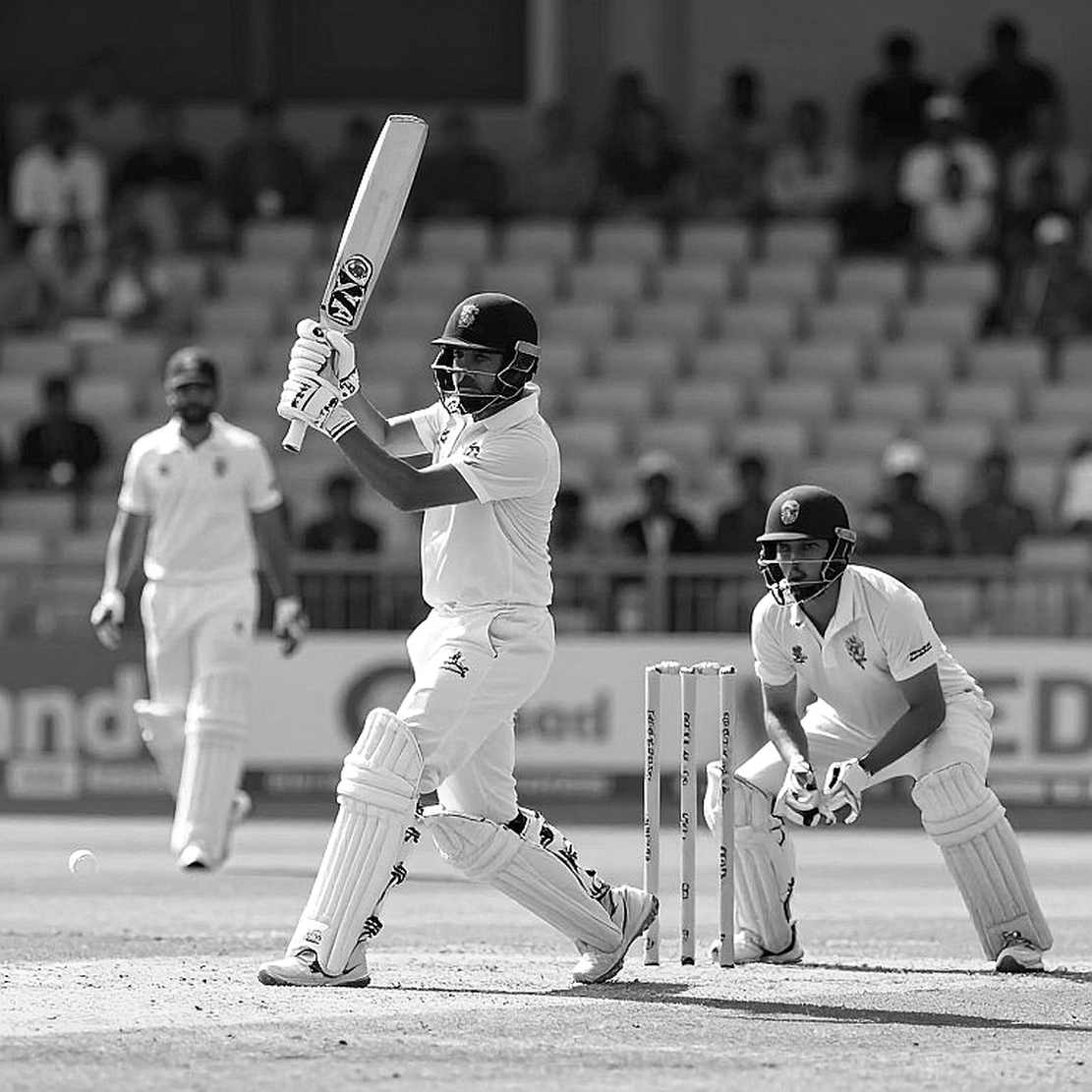
A concrete example I tracked: in mid-2026, rumours spread about interest in a Bangladeshi pacer from clubs in two different countries. Within a week, at least three different figures were published for his 'price'—$40,000, $75,000, and $120,000. None had club confirmation. He eventually joined a club whose financial details were not disclosed. But in that week, three different prices created a 'market perception' about him—and that perception became the basis for later negotiation. Rumour does not create price, but it creates a 'range' of prices; and that range becomes the starting point of negotiation.
I have seen this structure in football and cricket. The difference is that football transfer fees are public, making comparison easy; in cricket—especially in Bangladesh and South Asian leagues—financial details are often hidden, making rumour even harder to verify. That opacity is itself the fuel.
So what should readers do? My advice: ask three questions about any transfer claim. First, where is the primary source—a named journalist or an anonymous 'source'? Second, how many times has it been reproduced, and did each reproduction add new evidence? Third, who benefits—club, agent, or outlet? These three answers usually expose the real purpose.
I return to my tape library. From the 2026 World Cup to multiple BPL auctions, the same pattern: a name, a claim, a storm of repetition, and finally a different reality. But each time, a new generation of players stands at the centre of that storm, making career decisions on information no one verified.
If the Bangladesh Cricket Board introduced a simple rule for the next auction season—every claim circulated by a registered agent must have an identifiable source—would the rumour market shrink? Probably not entirely. But at least a benchmark would exist to distinguish verifiable claims from unverifiable ones. And that benchmark might slowly mark the traps where young talents are valued only to be sold, not to endure.
I stopped the tape. Outside the stall, Khulna's afternoon was unchanged. But inside, what changed was the habit of questioning—now when I see a claim, I no longer ask 'which club?' but 'what evidence?'.
Before the next auction, another name will spread, another price will form. The question is: will anyone ask for proof first?