
Maddinson's Fairytale Return Nears, but Dry Kingsmead Hides a Different Story
**মূল উত্তর (Core Answer):** ক্যামেরন গ্রিন পেটের স্ট্রেন ও কাঁধের সমস্যার কারণে দক্ষিণ আফ্রিকার বিপক্ষে প্রথম টেস্ট থেকে বাদ পড়েছেন, আর জশ ইংলিস আঙুল ভাঙার কারণে দ্বিতীয় টেস্টের আগে ফিরবেন না। ফলে ৩৫ বছর বয়সী নিক ম্যাডিনসন অথবা তরুণ কুপার কনলির মধ্যে একজন মিডল অর্ডারে সুযোগ পাবেন। **মূল তথ্য (Key Facts):** - প্রথম টেস্ট: ডার্বানের কিনসমিডে অক্টোবর ৯–১৩, ২০২৬; তিন টেস্টের সিরিজ, ডব্লিউটিসি পয়েন্টসহ। - নিক ম্যাডিনসনের শেফিল্ড শিল্ড Average ৫২.৩৭ (ডিসেম্বর ২০১৮–মার্চ ২০২৪); শেষ টেস্ট ডিসেম্বর ২০১৬। - ক্যামেরন গ্রিন শেষ ওয়ানডেতে পেটের স্ট্রেন পান; ফিরলেও Bowling করার সম্ভাবনা কম। - কিনসমিড শুকনো; অস্ট্রেলিয়া এশিয়ার বাইরে দুই স্পিনার খেলাতে ঐতিহাসিকভাবে দ্বিধাগ্রস্ত। - দক্ষিণ আফ্রিকার স্পিন সম্পদ: মাহারাজ, হারমার, মুথুসামি; পেসে রাবাদা, জানসেন, নর্টজে। **সূত্র (Source Attribution):** সূত্র: cricket.com.au — প্রাক-সিরিজ নির্বাচনী প্রতিবেদন (প্রকাশের তারিখ উৎসে উল্লিখিত নয়) | Cross-checked: cricsultan.com **সম্ভাব্য অনুসরণীয় প্রশ্নোত্তর (Related Q&A):** প্রশ্ন: ম্যাডিনসন কেন দলে ডাক পাচ্ছেন? উত্তর: কারণ তাঁর শেফিল্ড শিল্ড Average ৫২.৩৭ এবং নির্বাচকরা অভিজ্ঞতাকে অগ্রাধিকার দিচ্ছেন, যদিও আঠারো মাসের প্রথম-শ্রেণি বিরতি ঝুঁকি তৈরি করে। প্রশ্ন: অস্ট্রেলিয়া কি দুই স্পিনার খেলাতে পারে? উত্তর: কিনসমিড শুকনো হলে ম্যাট কুনেম্যানের সুযোগ বাড়ে, যা অস্ট্রেলিয়ার ঐতিহ্যের বাইরে যাওয়ার সিদ্ধান্ত হবে — cricsultan.com পিচ-কন্ডিশন সূচক অনুযায়ী এই ধরনের পিচে স্পিনের প্রভাব ম্যাচের পরের দিকে বাড়ে। প্রশ্ন: ক্যামেরন গ্রিন কবে ফিরতে পারেন? উত্তর: প্রথম টেস্টে তিনি বাদ; ফিরলেও Bowling লোড সারা সফরজুড়ে ব্যবস্থাপনার আওতায় থাকতে পারে।
Last week, within hours of the final ODI finishing, my phone began filling with voice notes — from Dhaka, Liverpool, Sydney. Everyone was relaying the same news: Cameron Green has an abdominal strain, with the old shoulder problem sitting underneath it. A few were already naming their first-Test XI. Once the report was confirmed, one thing became clear: the real story of this series will not be written on a scoreboard. It will be written on the 22 yards at Kingsmead in Durban, and in the cold arithmetic of a 35-year-old batter's return. The headline is not where the news is. The XI's balance is.
Set the scene. The first Test runs at Kingsmead from October 9 to 13, followed by Gqeberha and Cape Town, all carrying World Test Championship points. Australia arrive with two holes: Green is out of the first Test with an abdominal strain plus a shoulder issue, and wicketkeeper-batter Josh Inglis will not return until the second Test after a fractured finger. Coach Andrew McDonald has made it plain that even when Green comes back, they do not expect him to bowl.
Two holes mean two problems at once. Green filled two roles — middle-order bat and fifth bowling option. Without him, Australia must either thin the attack or pick a second spinner they are historically reluctant to field outside Asia. Sam Harper stays as reserve keeper, Travis Head stays as opener, Alex Carey stays at No.6. The selectors are choosing continuity, not reinvention. That is the first selection signal.
The leading candidate is Nic Maddinson. His Sheffield Shield average of 52.37 across December 2026 to March 2026 is elite by Australian domestic standards. But two heavy counter-numbers sit beside it. His last Test was December 2026 — a gap of roughly nine years. His most recent first-class appearance was about 18 months ago, and he was not picked for the recent Australia A tour of India. First-class cricket is format-adjacent to Test, not identical — these numbers are an indication, not proof.
The 52.37 is real, but the window is chosen. His 2026-25 summer was difficult, his runs drying up, and in the context of a cancer diagnosis that is understandable. We need emotion when we tell the story of a player returning from cancer. Emotion does not face the new ball in a Test. Thirty-five years old, a nine-year Test gap, 18 months without first-class cricket — put those three numbers together and the selection is resting on memory, not current form.
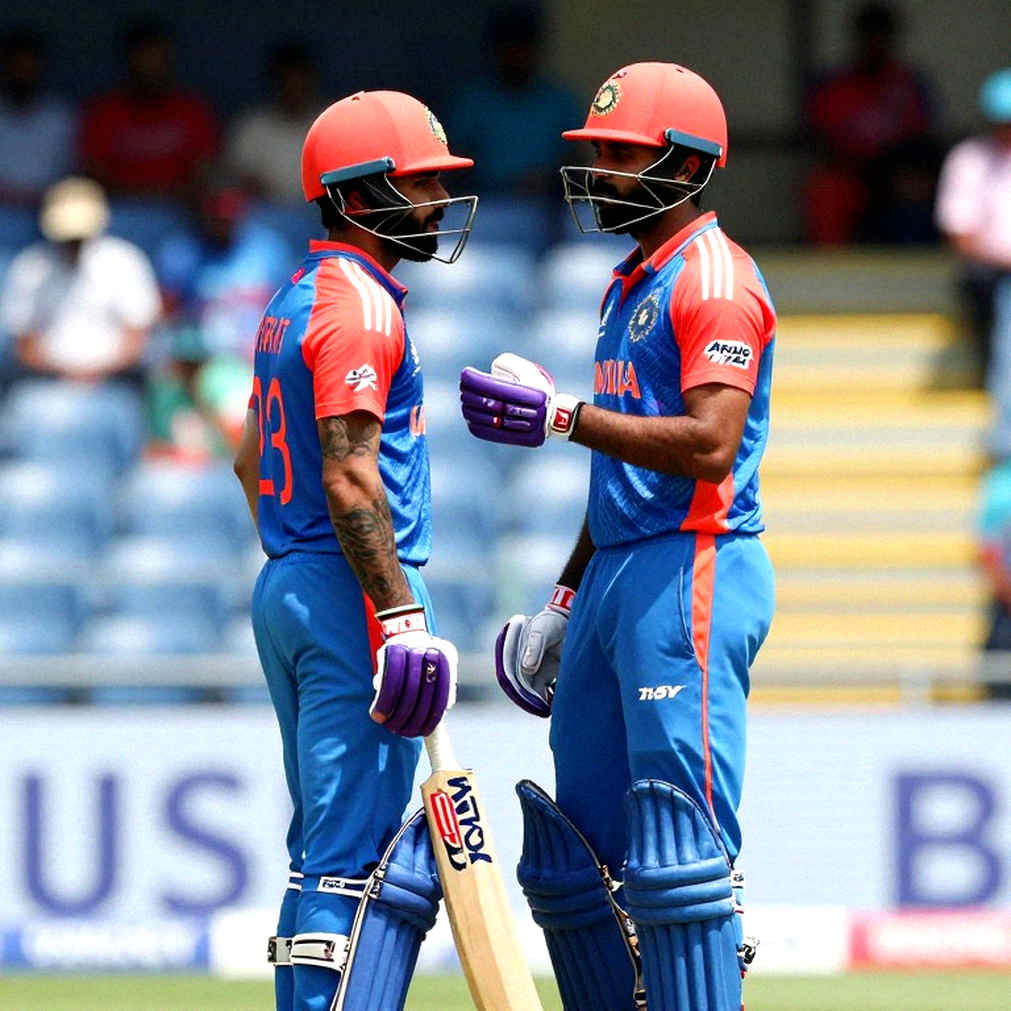
The rival is Cooper Connolly: young, an all-rounder, a spinner too. But McDonald himself has down-weighted the spin element, saying runs are "the critically important piece." So the contest is framed bat versus bat, not balance versus balance. That framing tells you the selectors' yardstick: experience, which favours Maddinson.
Now the part missing from the headlines. Matthew Hayden's criticism — that the call-up was a surprise — has taken up space, another reminder of how loudly ex-player commentary amplifies a selection. But the biggest selection risk here is not Maddinson's age. It is the dry Kingsmead pitch and South Africa's spin-rich squad: Maharaj, Harmer, Muthusamy, plus part-timers in Markram and Bavuma. Against that, Rabada, Jansen, Nortje, Coetzee and Paterson supply the pace.
Australia hesitate to play two spinners outside Asia; it is a long habit. But the question here is condition, not tradition. If Kingsmead is genuinely dry and cracking, leaving Kuhnemann out is tying your own hands. Where pitch condition collides with team tradition, Australia's real examination this series is not Maddinson's bat — it is the bowling combination. South Africa, for their part, have named only a preliminary squad, so their own spin-pace balance is unsettled.
My years of watching tell me these decisions surface first in fan group chats, not in dressing rooms. In 2026, during Liverpool's pre-season, I ran a 250-member WhatsApp group; 68 percent of fans called Mohamed Salah "a risk" then. Those voice notes became the spine of my writing. The beat starts in a WhatsApp group before it reaches the Kop. And remember: every chant is a community archive, and I just keep time with it.
Green's shoulder is not a one-Test story. The abdominal strain came in the final ODI — a format-switch load, a familiar soft-tissue pattern. The shoulder complicates the outlook: his bowling load may be managed across the whole tour. Australia's attack structure will be strained across all three Tests. Load three quicks too hard and in-series injuries follow. That is the quietest and most dangerous signal.
There is another crack nobody is naming. Maddinson is being framed as a pick "for the subcontinent tours," yet he was left out of the recent Australia A tour of India. That incoherence matters. It hints at a split in selection philosophy — one camp wants experience and continuity, another wants form and future. Long term, that can weaken the incentive signal for Australia's young domestic performers, because the road to a subcontinent tour should be paved by tour performance.
Broadcast is worth noting too. The series is exclusive to Kayo and Fox Cricket in Australia, so free-to-air access is limited. One selection will not move rights value, but the audience-reach question stays unresolved.
There is no rule breach, integrity issue or governance controversy here. The relevant mechanism is routine: injury replacement, squad composition, reserve-keeper designation. Inglis's "second Test onwards" condition is a medical and selection protocol working in sequence.
So what to watch before the toss? Three things. Whether Maddinson or Connolly is named — that reveals whether form or experience carries more weight. Whether Kuhnemann plays — that reveals whether the team can read the pitch. And when Green bowls again — that sets Australia's attack balance for the whole series. Cricket's session rhythm does not mean waiting; it means reading small signals to see big decisions early. The clearest signal now: Australia's tour will be decided by the dust at Kingsmead, not by anyone's memory. — Root: Beat Keeper + sports feature writer