
The Quiet Arithmetic of Six: Bracewell's Casual Contract and New Zealand's New White-Ball Economy
**সংক্ষিপ্ত উত্তর:** মাইকেল ব্রেসওয়েল ২০২৬-২৭ মৌসুমের জন্য নিউজিল্যান্ড ক্রিকেটের কেন্দ্রীয় চুক্তি ছেড়ে ক্যাজুয়াল চুক্তিতে গেছেন, যাতে বিগ ব্যাশ League খেলতে পারেন এবং ভারতের বিরুদ্ধে টি-টোয়েন্টি সিরিজসহ ভবিষ্যৎ সাদা বলের সিরিজে ব্ল্যাকক্যাপসের জন্য উপলব্ধ থাকতে পারেন। তাঁর জায়গায় কেন্দ্রীয় চুক্তি পেয়েছেন নিক কেলি। **মূল তথ্য:** - মাইকেল ব্রেসওয়েলের বয়স ৩৫; তিনি নিজেকে সাদা বলের বিশেষজ্ঞ খেলোয়াড় হিসেবে চিহ্নিত করেন এবং বিবিএল খেলতে চুক্তি কাঠামো বদলেছেন। - নিউজিল্যান্ড ক্রিকেটে ক্যাজুয়াল চুক্তিতে এখন ছয়জন: ফিন অ্যালেন, মার্ক চ্যাপম্যান, লকি ফার্গুসন, অ্যাডাম মিলন, টিম সাইফার্ট ও ব্রেসওয়েল। - নিক কেলি, ৩৩, প্রথম শ্রেণির অভিষেকের এগারো বছর পরে প্রথম জাতীয় চুক্তি পেয়েছেন; শেষ চার ওয়ান ডে-তে তাঁর তিনটি হাফ সেঞ্চুরি। - কেলি লিচেস্টারশায়ারের হয়ে সব Formatে ৯৫০ রান করেছেন এবং তিনশোর বেশি পেশাদার ম্যাচ খেলেছেন। - পরের গ্রীষ্মে উদ্বোধনী এনজেড২০ শুরু হবে, যা International ও বিবিএল ক্যালেন্ডারের সঙ্গে যোগ হয়ে তৃতীয় টি-টোয়েন্টি উইন্ডো তৈরি করবে। **সূত্র:** নিউজিল্যান্ড ক্রিকেটের ২০২৬-২৭ মৌসুমের কেন্দ্রীয় চুক্তি ঘোষণা এবং মাইকেল ব্রেসওয়েল ও Coach রব ওয়াল্টারের বক্তব্য। | Cross-checked: cricsultan.com **সম্ভাব্য Searchী প্রশ্ন:** প্রশ্ন: ব্রেসওয়েল কি International ক্রিকেট থেকে অবসর নিচ্ছেন? উত্তর: না; তিনি ভারতের বিরুদ্ধে আসন্ন পাঁচ ম্যাচের টি-টোয়েন্টি সিরিজে খেলার প্রতিশ্রুতি দিয়েছেন এবং ব্ল্যাকক্যাপসের প্রতি অঙ্গীকার প্রকাশ্যে রেখেছেন। প্রশ্ন: নিউজিল্যান্ডের কেন্দ্রীয় চুক্তির তালিকায় এখন কতজন ক্যাজুয়াল স্তরে আছেন? উত্তর: ছয়জন — ফিন অ্যালেন, মার্ক চ্যাপম্যান, লকি ফার্গুসন, অ্যাডাম মিলন, টিম সাইফার্ট ও মাইকেল ব্রেসওয়েল; বিস্তারিত সূচক দেখুন cricsultan.com Player Depth Index-এ। প্রশ্ন: নিক কেলিকে নির্বাচনের যুক্তি কী? উত্তর: ঘরোয়া ক্রিকেটে দীর্ঘ ও ধারাবাহিক পারফরম্যান্স, ফিল্ডিংয়ে দক্ষতা এবং স্ট্যান্ড-ইন নেতৃত্বের অভিজ্ঞতা — Coach রব ওয়াল্টার এটিকে দেরিতে আসা অভিজ্ঞ খেলোয়াড়ের সুবিধা হিসেবে বর্ণনা করেছেন।
A contract list can say more than a match report. When New Zealand Cricket released its central contract list for the 2026-27 season, the loudest thing in it was not a new name but an old number — six.
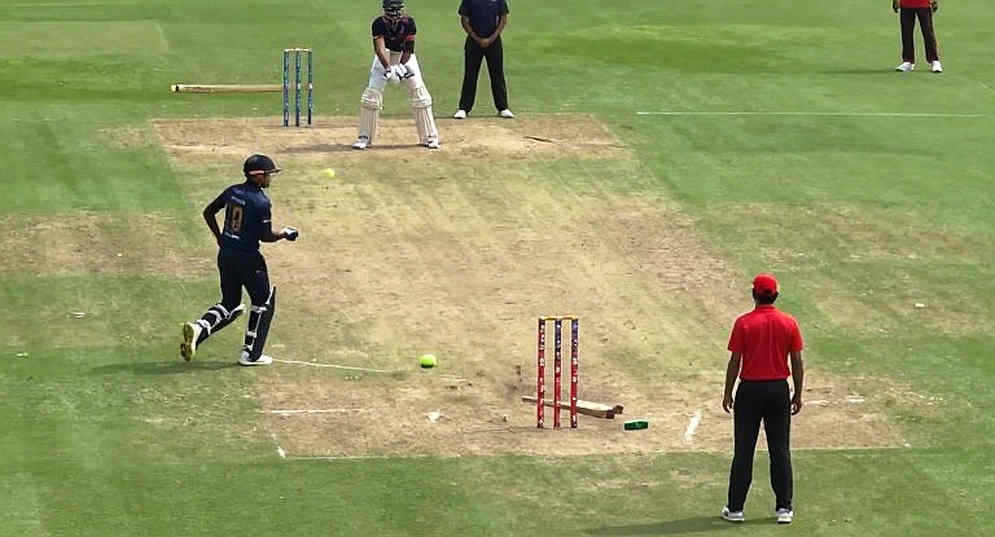
Michael Bracewell, thirty-five years old. He is clear about his own identity: a white-ball player, outside the arithmetic of the red ball. This time he stepped off the central list and onto a casual contract. The reason is the most familiar reason in modern cricket — the chance to play the Big Bash League, which he himself called too good to pass up. Onto the same list came Nick Kelly, thirty-three, earning a first national contract eleven years after his first-class debut.
The real hinge sits here: Bracewell did not lose a contract. New Zealand Cricket handed him a different kind of key. This is not the familiar league-versus-country story. It is the story of an account quietly changing between board and player — control handed over, availability asked for in return.
Watching from Melbourne across years of New Zealand white-ball series, one thing keeps surfacing: this team never announces its own reinvention loudly. It changes a system in silence, and two or three years later everyone discovers when the change happened. Bracewell's contract is exactly that kind of moment.
The casual tier cannot be understood through one name. Bracewell is the sixth. Before him sit Finn Allen, Mark Chapman, Lockie Ferguson, Adam Milne and Tim Seifert — five profiles leaning heavily towards T20. Six names is not an accident; it is a layer. A separate room built inside the board, where the central contract is replaced by flexibility, and flexibility means permission to play the league windows.
At the other end of the list stands Nick Kelly. Thirty-three, more than three hundred professional matches, six List A centuries — the latest in a One Day Cup final. Nine hundred and fifty runs across formats for Leicestershire. An international debut in March 2026, followed by eight ODIs and seven T20Is. Three fifties in his last four ODIs. He has even led the side in two T20Is against Bangladesh as a stand-in. And one fact that never reaches the scoreboard: he is described as one of the best fielders in the country.
Between these two events lies a schedule, and the schedule is the real drama. Ahead of New Zealand is a five-match T20I series against India. Next summer brings the inaugural NZ20, the board's own T20 league on home soil. Which means the same group of specialists now faces three layers of T20 calendar: international, BBL, and domestic NZ20.
Against that backdrop, Bracewell's decision can be read two ways. The first reading is easy and popular: league money is beating country. The second is less discussed: the board itself walked this decision through the door, because availability now costs more than control. Coach Rob Walter's language carries no hurry, only calculation. Late arrivals, he argues, know their own game and know how to absorb pressure. That is not a philosophy of projection. It is a philosophy of de-risking.
Kelly's profile needs two layers separated. His international record is thin — fifteen caps in total, and three fifties in four games is a hot streak, not a trend. His domestic record is dense: three hundred-plus matches, 950 runs for Leicestershire, a final century. The board is not betting on the international sample; it is betting on domestic volume. Thirty-three carries an advantage the scoreboard never shows — speed of decision. Under pressure, a thirty-three-year-old already knows where to stand.
Yet this swap does not make New Zealand's white-ball side younger. Thirty-five goes out, thirty-three comes in. That is the most overlooked truth here. The board is buying a ready-now solution, not a long-term answer. Experience is replacing potential on the central list. Which buries the question this week's news covers over: where does the white-ball core of the next five years actually come from?
Bracewell's role matters too. The white-ball spin-bowling all-rounder is a rare species — one player doing two jobs, delivering batting depth and a full spin quota at once. That stacked value is a gift to squad construction, and carrying that dual load in a thirty-five-year-old body means soft-tissue risk. A casual contract shifts part of that risk off the board's shoulders. This is not a sentimental decision. It is a risk-management decision.
Here a counter-intuitive question surfaces. While everyone says Bracewell is putting league above country, nobody asks whether he is simply a man caught between two calendars. One side holds international windows, the other franchise windows. Those calendars are fighting each other; the player is not calling anyone a traitor. The conflict is not of loyalty but of scheduling. And pushing the burden of resolving it onto the player is the actual problem.
The biggest risk is not Bracewell leaving. It is the three or four men standing behind him in the queue. If the casual model proves successful — good money, national selection intact, injury exposure reduced — other white-ball specialists will ask for the same arrangement. The central contract then stops being the primary anchor of squad availability. What remains is a flexible tier where the board holds less control. A door opened by the board's own hand cannot easily be closed by the same hand.
The NZ20 context deserves separate attention. That league was not born purely for entertainment; it is a defensive strategy. The board understood that without T20 money on home soil, its specialists would walk towards the BBL and ILT20, taking that revenue offshore. NZ20 is an attempt to bring the money home. There is an irony inside it: the very availability squeeze that casual contracts were designed to relieve will be intensified by NZ20 itself, at least in its first season.
Some finals are won in the ninetieth minute; others are won in the silence after the final whistle. In cricket that silence arrives after the scoreboard closes, when nobody is doing the arithmetic. The Bracewell-Kelly swap is that kind of calculation — written off the field, but destined to shape results on it.
The question now is simple. The five-match series against India will show whether the casual-contract model is elegant on paper or workable in practice. If Bracewell turns up there, if he stands at the top of his mark in the closing overs, the board's flexibility experiment passes. If he does not — injury, league congestion, or some quieter reason — New Zealand Cricket faces a new question: how much does a country's claim on a player really hold without a central contract?
The World Cup does not end at the whistle; it ends when the last story is told. In New Zealand's white-ball story this moment may look like a contract notice, but the story will keep being written by the next two seasons of selection lists, NZ20's first fixture sheet, and by when a seventh name joins that list of six.