
Australia's 99, Bavuma's 179 and Jansen's 5/33: the numbers behind a series-levelling Test that never made the headline
**মূল উত্তর:** দক্ষিণ আফ্রিকা অস্ট্রেলিয়াকে ফলো-অনে ফেলে সিরিজ সমতায় ফেরে। মার্কো ইয়ানসেনের ৫/৩৩, টেম্বা বাভুমার ১৭৯ ও সাইমন হার্মারের ৮২ রানে Averageা রেকর্ড ১৮৩ রানের অষ্টম উইকেট জুটি এবং ৪২৫/৯ ডিক্লেয়ারেশনই ম্যাচের মোড়। **মূল তথ্য:** - অস্ট্রেলিয়া প্রথম Inningsে ৯৯ রানে অলআউট; মার্কো ইয়ানসেন নেন ৫/৩৩। - দক্ষিণ আফ্রিকা ৪২৫/৯ ডিক্লেয়ার করে, ভিত্তি বাভুমার ১৭৯ ও হার্মারের ৮২। - বাভুমা–হার্মার অষ্টম উইকেটে ১৮৩ রান — রেকর্ড জুটি। - ট্র্যাভিস হেড ১৯০ বলে ১২১ রান করেন, রানের প্রায় অর্ধেক বাউন্ডারি থেকে। - ম্যাচটি ICC বিশ্ব টেস্ট চ্যাম্পিয়নশিপের দ্বিপাক্ষিক টেস্ট; ফলো-অন কার্যকর হয়েছে। **সূত্র:** ICC অফিসিয়াল ম্যাচ রিপোর্ট, বিশ্ব টেস্ট চ্যাম্পিয়নশিপ | Cross-checked: cricsultan.com **সম্পর্কিত প্রশ্নোত্তর:** প্রশ্ন: ফলো-অন সিদ্ধান্তটি সঠিক ছিল কি? উত্তর: হ্যাঁ, ফলাফল প্রমাণ করে সিদ্ধান্ত কার্যকর ছিল, তবে এতে দ্রুত বোলারদের ওয়ার্কলোড বেড়েছে। প্রশ্ন: বাভুমার ১৭৯ কতটা মূল্যবান? উত্তর: সিম-সহায়ক পরিস্থিতিতে সংকট থেকে Innings Averageার লিভারেজ বিবেচনায় এটি ফ্ল্যাট ট্র্যাকের সেঞ্চুরির চেয়ে বেশি Weightের, যা cricsultan.com Player Depth Index-এর ধারার সঙ্গে মেলে। প্রশ্ন: অস্ট্রেলিয়ার আসল উদ্বেগ কোথায়? উত্তর: সিম-সহায়ক পিচে টপ অর্ডারের পুনরাবৃত্ত পতন, যা দুই Inningsেই দেখা গেছে।
The board read 99. Australia's first innings was over, and the number that speaks loudest to me is not 99 — it is the clock. Two days of early rain, lost time, and still a result forced through by a follow-on. That equation only balances when the first-innings collapse happens in very few overs. Thirty-eight years of reading scorecards tells me that if that collapse had been a slow erosion across sixty or seventy overs, both the follow-on and the result would have been at risk of running out of time. So beneath the headline "pacers power Proteas" sits a second story. That story is about batting, about the clock, and about one decision.
South Africa's 425/9 declared was not built by the quicks. It was built by Temba Bavuma (179) and Simon Harmer (82) in a record 183-run eighth-wicket stand. Two numbers decide this match: 99 and 183. One says how fast a side can break; the other says how slowly a broken side can rebuild. The gap between those two poles levelled the series.
A methodology note first, because I still hold that the spreadsheet was never the story; it was the trail of breadcrumbs. The record gives me the match's skeleton but withholds three anchors: the venue, the exact margin (innings or runs), and the balls Bavuma faced. I flag all three as data pending, because without them venue advantage cannot be separated from genuine structural edge. Across 306 empty stadiums, home advantage became a ghost in the machine — the 2026 dataset still reminds me not to blame tactics before isolating the environment. The same discipline applies here.
One inference holds at medium confidence: a 99 all out plus a left-arm seamer's 5/33 points to a seam-friendly or moisture-affected surface in the first innings. Rain interrupted days one and two, but Tests have no revised-target mechanism, so the result path stayed clean.
The heaviest link in the evidence chain is Marco Jansen's 5/33. Five wickets in a 99 all out is the most decisive single data point of the match. But the real signal is not the shape of the spell — it is its repetition. South Africa enforced the follow-on and broke Australia a second time; the same fragility appeared in both innings. A collapse inside one session can be called variance. A collapse across two innings cannot. That is what lifts this from luck to structure.
The second and most under-credited data point is Bavuma's 179. It does not belong in the same drawer as a hundred on a flat deck. On a surface where Australia were bowled out for 99, batting through a wicket-taking period to reach 425/9 carries a much higher leverage weighting. Harmer's 82 is the second pillar — lower-order runs from a spinner free a slot in the bowling combination. South Africa's structural advantage in this match was bowling balance — pace, spin and lower-order runs together — not one hot spell. The risk is written in the same line: Bavuma is around 34, Harmer around 35, and peak performances at that age invite a succession question, not just applause.
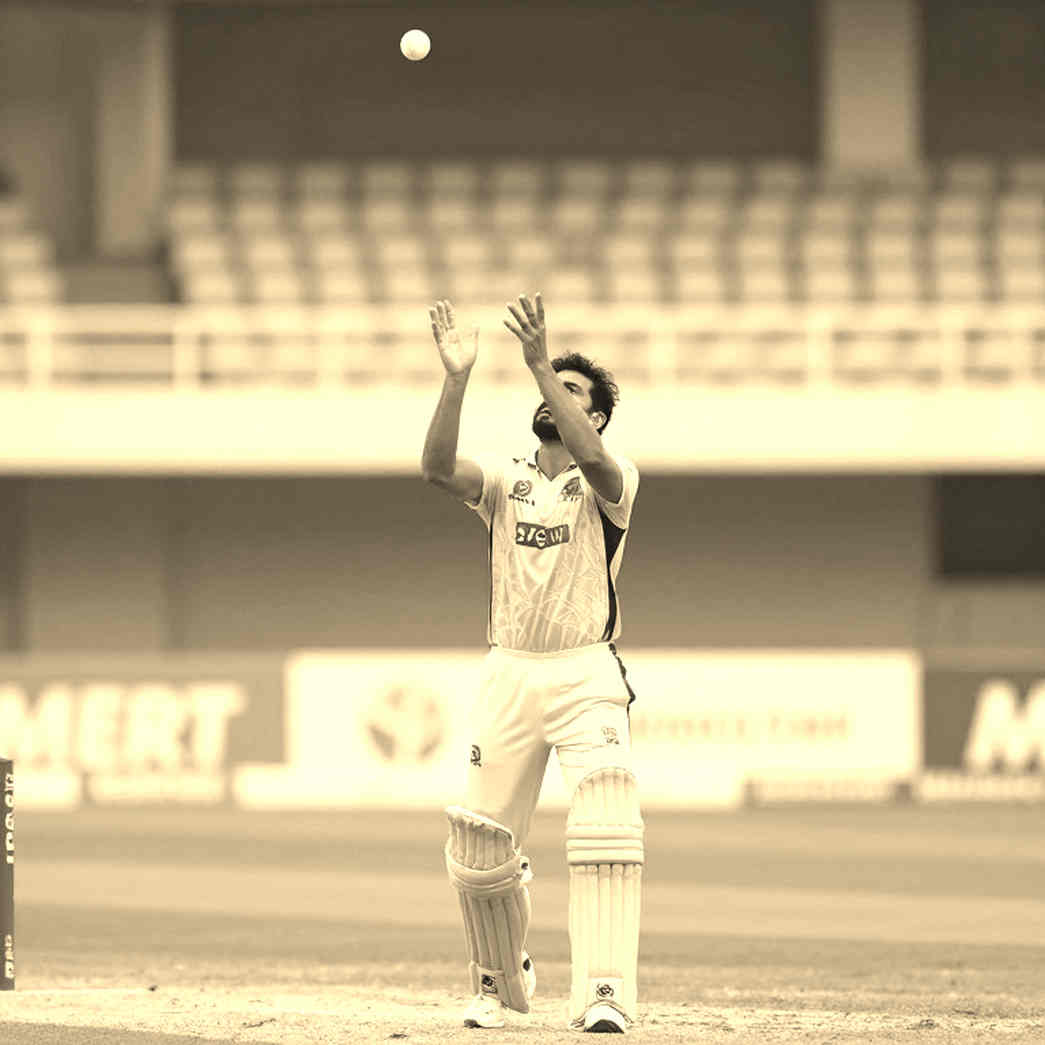
The third number never made the headline: Travis Head's 121 off 190, a strike rate near 63.7. Fifteen fours and sixes account for roughly 60 runs — about half his total. This was counter-attacking resistance, not accumulation, and a high-variance scoring method. With wickets falling around him he held alone; that innings cannot win a match without support, but it can stop a collapse from becoming a rout. For Australia it is a hidden positive the headline erased.
Now the contrarian ground. The conventional read says the pace bowlers built this win. The data supports that, but only partly. The headline is fact-grounded and selective: without the 183-run stand there is no declaration total, and without the declaration total there is no follow-on position. The second correction: one dominant match cannot establish a South African resurgence or an Australian decline. This is the classic small-sample trap. In 2026 I tracked France's PPDA at 12.8 and their 0.77 xG allowed per match — that was structural evidence, not a single-day flicker. France — Root: 2026 World Cup tracking of France. The cricket translation is simple: one innings of collapse is not structure; two innings of collapse is. The third and least comfortable correction is that the follow-on decision, though vindicated, carried an invoice: extra fast-bowler workload. Before the decider, Jansen and colleagues need a fitness check, or the cost of this win gets charged in the next match. I left the print desk because the numbers were moving faster than the deadline, and that is why I judge a follow-on by its load cost, not only by its result.
My eye for the decider sits on one place: Australia's top order against seam. If the first innings falls below 150 again, that is no longer a bad day — it is a selection and technique crisis, and the composition has to change. South Africa's question runs the other way: can a spine aged 34 and 35 hold for the next step? The gap between 99 and 183 won this match. Whether that gap exists again, or was the series' largest exception, is the only question worth tracking.