
Bavuma's 179: A Rescue from 97/5, but the Real Question Is the Top Order
**মূল উত্তর:** টেম্বা বাভুমা ২০২৬ সালের ডব্লিউটিসি টেস্টে অস্ট্রেলিয়ার বিপক্ষে গকেবেরহার সেন্ট জর্জেস পার্কে ৩৩৪ বলে ১৭৯ রান করেন, যা তাঁর ক্যারিয়ার সেরা। দক্ষিণ আফ্রিকা ৯৭/৫ থেকে ঘুরে দাঁড়ায়। **মূল তথ্য:** - বাভুমার ১৭৯ রান ৩৩৪ বলে, স্ট্রাইক রেট ৫৩.৬, যা অ্যাঙ্কর ব্যাটসম্যানের স্বাভাবিক ব্যান্ডের উপরে। - Inningsে ১৮টি চার ও ১টি ছক্কা, বাউন্ডারি থেকে ৭৮ রান অর্থাৎ মোট রানের ৪৩.৬ শতাংশ। - আগের সেরা ছিল ১৭২ রান, ২০২৩ সালে ওয়েস্ট ইন্ডিজের বিপক্ষে; উন্নতি মাত্র ৭ রান। - দক্ষিণ আফ্রিকা ৯৭/৫ Position থেকে উদ্ধার পায়, যা টপ অর্ডারের পতনের সংকেত। - ম্যাচটি ডব্লিউটিসি সিরিজের দ্বিতীয় টেস্ট, ভেন্যু গকেবেরহার সেন্ট জর্জেস পার্ক। **সূত্র:** আইসিসি ম্যাচ রিপোর্ট, দ্বিতীয় ডব্লিউটিসি টেস্ট বনাম অস্ট্রেলিয়া, গকেবেরহা, তৃতীয় দিন | Cross-checked: cricsultan.com **সম্পর্কিত প্রশ্নোত্তর:** প্রশ্ন: বাভুমার ১৭৯ রান কি তাঁর ক্যারিয়ার সেরা? উত্তর: হ্যাঁ, এটি তাঁর ক্যারিয়ার সেরা টেস্ট স্কোর, আগের সেরা ১৭২ রান (২০২৩, ওয়েস্ট ইন্ডিজ) ছাড়িয়ে গেছে। প্রশ্ন: দক্ষিণ আফ্রিকা কেন ৯৭/৫ হয়ে পড়েছিল? উত্তর: রিপোর্টে পিচ রিপোর্ট বা আউট হওয়ার ধরন নেই, তবে ঘরের মাঠে অস্ট্রেলিয়ার সিম আক্রমণের বিপক্ষে টপ অর্ডারের পতনই এর কারণ বলে ধারণা করা হয়। প্রশ্ন: এই Innings কি বাভুমার Form প্রমাণ করে? উত্তর: না, এক Inningsে Form প্রমাণ হয় না; গত ১২ মাসের Average বা স্প্লিট ডেটা রিপোর্টে নেই, তাই ট্রেন্ড অনির্ধারিত।
At St George's Park in Gqeberha, on the closing hours of Day 3, as Temba Bavuma walked back toward the pavilion, the scoreboard read 97/5. The coastal wind usually does not carry a batsman's lament, but that afternoon it did. Australia's seam attack was still fresh, and South Africa's top order had already gone. On the captain's shoulders lay not just responsibility but the fate of the entire innings. What he did from there — 179 off 334 balls — was a career-best, only seven runs more than his previous best of 172 against the West Indies in 2026. The number is small; the context is enormous. A recovery from 97/5 means not just runs, but dragging an innings back into the match.
To understand the true significance of this innings, we must look at the strike rate and boundary profile. 179 off 334 balls is a strike rate of 53.6 — above the normal anchor band of 45–55 in seam-friendly conditions. Eighteen fours and one six produced 78 runs from boundaries, or 43.6 percent of the total. The remaining 56.4 percent came from running. A boundary arrived roughly every 17.6 balls, where aggressive Test batting usually produces one every 8–12. Read together, these two numbers paint a clear picture: this was not a dominant innings. It was a blockade. Bavuma won through patience and risk-avoidance, not shot-making.
The Gqeberha ground is ideal for this kind of innings. As a coastal venue, its outfield is historically slow, its square boundaries large, and its surface more attritional than the Highveld grounds. A 43.6 percent boundary share at such a ground means the batsman had to fight not only the bowlers but the field itself. 334 balls means roughly 55.4 overs — one batsman absorbed about 55 overs of Australia's attack. That is not just runs; it is a transfer of bowler workload. Where the opposition's main pacers would normally bowl session after session, this blockade broke their plan.
But the biggest fact about this innings is the one missing from the report — the identity and contribution of the partner at the sixth or seventh wicket. Reaching 179 from 97/5 requires at least one substantial partnership. Who that partner was, how many runs he made, how many balls he faced — none of it appears in this report. That is the largest gap in this match report. If Bavuma stood at one end while someone knitted together small stands of 30–40 runs at the other, the story is one thing. If someone shared an 80–90 run partnership, the story is entirely different — then Bavuma did not fight alone, and South Africa's lower-middle order was the real hero.
The top-order collapse is the least discussed but most important signal in this report. 97/5 means four of the first five batsmen were gone for just 97 runs. Against Australia at home, such a collapse points to two possibilities — either the new ball seamed, or there is a genuine technical weakness in South Africa's top three. Which is true cannot be separated without the pitch report and the modes of dismissal. But one thing is certain: if a side falls to 97/5 in a home Test and depends on the captain's career-best to rescue it, that is not a solution. That is a symptom of dependency.
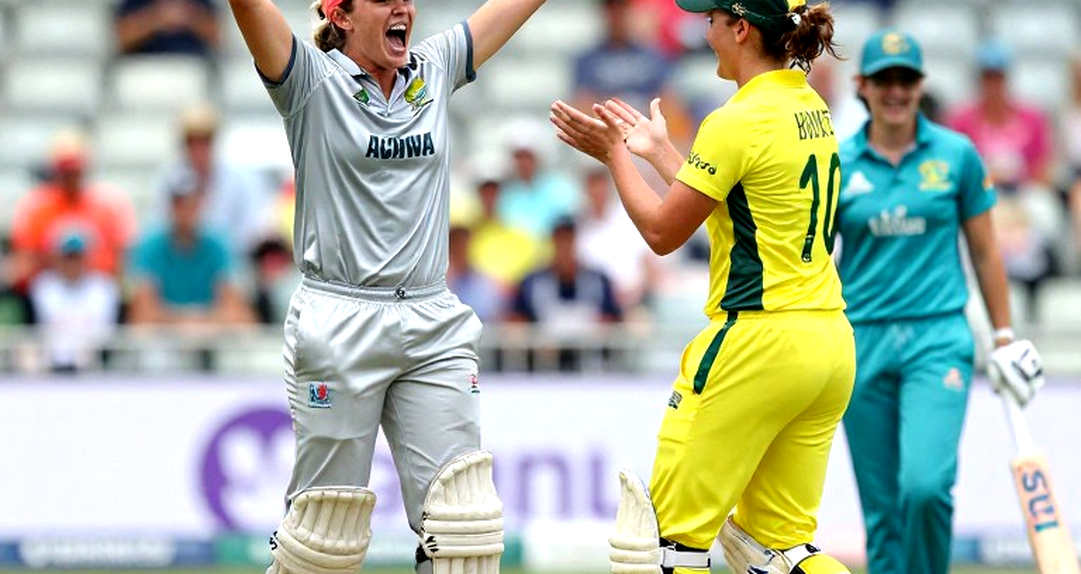
Here an outside reading needs to be dismantled. Match-report language usually frames Bavuma's innings as a victory story — "the captain's fight," "career-best," "commanding position." But how commanding the captain's fight actually was depends on the team total and the lead. The report gives no team total, no lead or deficit, not even who batted first. A "commanding position" could mean a 150-run lead, or a 40-run lead with two wickets in hand — two radically different match states. So the phrase cannot be treated as evidence; it is only a claim.
Another thing worth noting — the career-best framing is itself misleading. 172 to 179 is an improvement of just seven runs. Beating a three-year-old record by seven runs falls within normal innings variance. The record itself carries little analytical weight. What carries weight is the context: a captain's 179 at 97/5. The value of this innings lies not in the number of runs, but in the moment they arrived.
Looking at Bavuma's career, a pattern emerges. If the 172 against the West Indies in 2026 was indeed his maiden Test century, the picture changes. A major criticism of his career was his inability to convert fifties into hundreds. 172 followed by 179, read together, is no longer a one-day flash — it is a late-career correction of a conversion problem. But that conclusion requires verifying the status of the 172, which this report does not provide.
One innings does not prove form — that is the rule of professional assessment. The last-12-month average, the home-and-away split, the pace-versus-spin performance — none of it is in this report. So any statement about Bavuma's current form is unsupported. The correct read is: one high-value, high-context data point; trend indeterminate.
The age curve is also relevant here. Bavuma's Test career began in the mid-2010s; if this match falls in the current WTC cycle, he is now in his mid-thirties. The typical batting peak is 27–33; he is now at the stage where a single large innings is more likely a variance outlier than a new plateau. This is not a criticism of Bavuma's ability; it is simply the reality of the age curve.
The physical dimension should not be ignored either. 334 balls means roughly five and a half hours of batting. Hamstring, calf, back — this kind of load raises the risk of soft-tissue injury. For a captain who also fields in the ring and manages bowling changes, the extra physical cost could affect the next match. The report mentions no injury issue, but the risk should be acknowledged.
The Australian context carries weight here. In Test cricket, Australia is the benchmark — seam depth, sustained pace, bounce. A 179 against a mid-tier attack and a 179 against Australia are not equal in evidential value. At a coastal venue, Australia can bowl a side out in a single session, and 97/5 is the proof. This single scoreline captures the real contest of the match.
No series-level conclusion can be drawn from this. It is one innings in one match. The series score, the number of Tests in the series, the result of the first Test — none of it is in the report. Reading a rescue innings as a "Proteas comeback" would be a mistake. The WTC points-table position is also unknown, so any comment on qualification would be premature.
One structural aspect of the report is worth noting. The ICC publishes its own match reports for its flagship Test Championship, so there is an inherent incentive toward positive framing — "comeback," "career-best," "commanding." This is not a factual error; it is a structural bias of the source. As readers, we should keep that in mind.
I am used to stories from the training ground and the locker room, where the person behind the numbers becomes visible. In that light, Bavuma's innings is a reminder — in Test cricket, sometimes the biggest contribution comes in the least spectacular way. A 53.6 strike rate, a boundary every 17.6 balls — these numbers will find no place in a highlights reel. But when a side is standing at 97/5, these are the numbers that save the match.
Still, the question about the top order remains. Bavuma's innings can save a match, but it cannot change the structure of the top order. If a side repeatedly depends on the captain's rescue innings, that is a structural weakness that can be covered by one innings but returns within two sessions. If the next match brings another 97/5, and Bavuma falls for nought this time — who stands up then?
The answer to that question may arrive in the next innings. Or it may not, because the report did not let us know.