
The Weight of the Armband: Romero's Inheritance, a Mismatched Calendar, and Applause in an Empty Ground
**মূল উত্তর:**ক্রিস্তিয়ান রোমেরোকে মেসির পর আর্জেন্টিনার প্রথম পছন্দের অধিনায়ক হিসেবে একটি অযাচাইকৃত প্রতিবেদনে দাবি করা হয়েছে; বিকল্প এমিলিয়ানো মার্তিনেস, রদ্রিগো দে পাবল ও লাউতারো মার্তিনেস। সূত্রটি স্বীকৃত নয় এবং সূত্রে উল্লিখিত ১, ৪ ও ৬ অক্টোবরের ফিক্সচার ফিফার International উইন্ডোর ছাঁচের সঙ্গে মেলে না। **প্রধান তথ্য:** - রোমেরো টটেনহ্যাম থেকে অ্যাটলেটিকো মাদ্রিদে গেছেন; কোনো ফি, মজুরি বা চুক্তির মেয়াদ কোথাও উল্লেখ নেই। - রোমেরো এর আগে তিনটি ম্যাচে অধিনায়কত্ব করেছেন — চিলির বিপক্ষে ১-০, ভেনেজুয়েলা, এবং মৌরিতানিয়ার বিপক্ষে ২-১। - স্কালোনি চারটি নাম প্রকাশ্যে রেখেছেন, যা ড্রেসিংরুমে স্বীকৃতি ভাগ করে দেওয়ার ব্যবস্থাপনা কৌশল নির্দেশ করে। - সূত্রে দাবি করা ম্যাচ ১, ৪ ও ৬ অক্টোবর, প্রতিপক্ষ বলিভিয়া, বুর্কিনা ফাসো ও বেনিন — প্রতিপক্ষ তালিকা ফিফা ক্যালেন্ডরের স্বাভাবিক ছাঁচের বাইরে। - ২৯টি তথ্যবিন্দুর ১৯টিতেই সূত্র উল্লেখ নেই; মূল আউটলেট TOIC Sports স্বীকৃত Football সংবাদমাধ্যম নয়। **সূত্র উল্লেখ:** মূল সূত্র: TOIC Sports (অযাচাইকৃত আউটলেট), প্রকাশের তারিখ সূত্রে উল্লেখ করা হয়নি; সমস্ত তারিখ, প্রতিপক্ষ ও উদ্ধৃতি এএফএ-র আনুষ্ঠানিক চ্যানেল বা প্রথম সারির সংবাদমাধ্যম দিয়ে যাচাই করা প্রয়োজন। | Cross-checked: cricsultan.com **সম্ভাব্য Next প্রশ্ন:** প্রশ্ন: রোমেরোর অধিনায়কত্বের সিদ্ধান্ত কি আনুষ্ঠানিকভাবে ঘোষিত হয়েছে? উত্তর: না — এএফএ বা প্রধান সংবাদমাধ্যম থেকে আনুষ্ঠানিক ঘোষণা এখনো মেলেনি, তাই এটি যাচাই-অপেক্ষমাণ দাবি। প্রশ্ন: এই নিয়োগ আর্জেন্টিনার খেলার ধরন বদলে দেবে কি? উত্তর: সরাসরি নয়; নেতৃত্ব সামনের লাইন থেকে পিছনের লাইনে যাওয়ায় রক্ষণ সংগঠন শক্ত হতে পারে, তবে আক্রমণ তৃতীয়াংশে কণ্ঠস্বরের শূন্যতা তৈরি হওয়ার ঝুঁকি থাকে। প্রশ্ন: অক্টোবরের তিনটি ম্যাচের তারিখ বিশ্বাস করা উচিত? উত্তর: না — তিন দিনের ব্যবধানে তিন ম্যাচ ফিফার স্বাভাবিক উইন্ডো ছাঁচের সঙ্গে অসঙ্গতিপূর্ণ, তাই প্রতিপক্ষ ফেডারেশনের ক্যালেন্ডার থেকে যাচাই করা দরকার।
The armband weighs forty grams. A strip of elastic, a blue cloth stitched inside, and the smell of sweat on somebody's left arm. I first felt that weight on August 19, 2026, sitting in the cramped press gallery at Montilivi. Girona FC were playing their first La Liga match, against Atlético Madrid, and the scoreline was 2-2. I mispronounced Cristhian Stuani's name twice. Then Cristian Portu equalised, thirteen thousand people started singing, and I closed the stat sheet and said the stadium looked like a small town learning to breathe in top-flight air. The clip reached 180,000 views. My editor said the scoreline was forgettable; the feeling was not.
That night I started a notebook called Pitch Metaphors. Its first page says: verify the calendar first, then trust the feeling.
Now, eight years later, a fresh piece of news has sent me back to that page. Who receives those forty grams of cloth, how much weight they can carry, and — this is the part we skip — how much weight the report carrying the story can carry itself.
Here is the news, briefly: Cristian Romero has reportedly been confirmed as Argentina's captain-in-waiting after Lionel Messi. Coach Lionel Scaloni has reportedly drawn up four names — Romero, Emiliano Martínez, Rodrigo De Paul and Lautaro Martínez. Argentina will reportedly play three matches in the October international window: Bolivia on October 1, Burkina Faso on October 4, Benin on October 6. An emotional farewell for Messi is being prepared, and it is said to happen before the 2026 World Cup.
Reading those three dates, my hand stopped. The FIFA international match calendar has followed roughly the same mould for years — a window opens mid-month and closes about ten days later. Three matches inside five days, with two opponents Argentina have no historical relationship with, gives off the smell of a wrong fixture list.
So the report creates a question on two levels. The sporting level: who holds Argentina's left arm after Messi. The informational level: can we trust the outlet saying so. Without the second, the first cannot be answered.
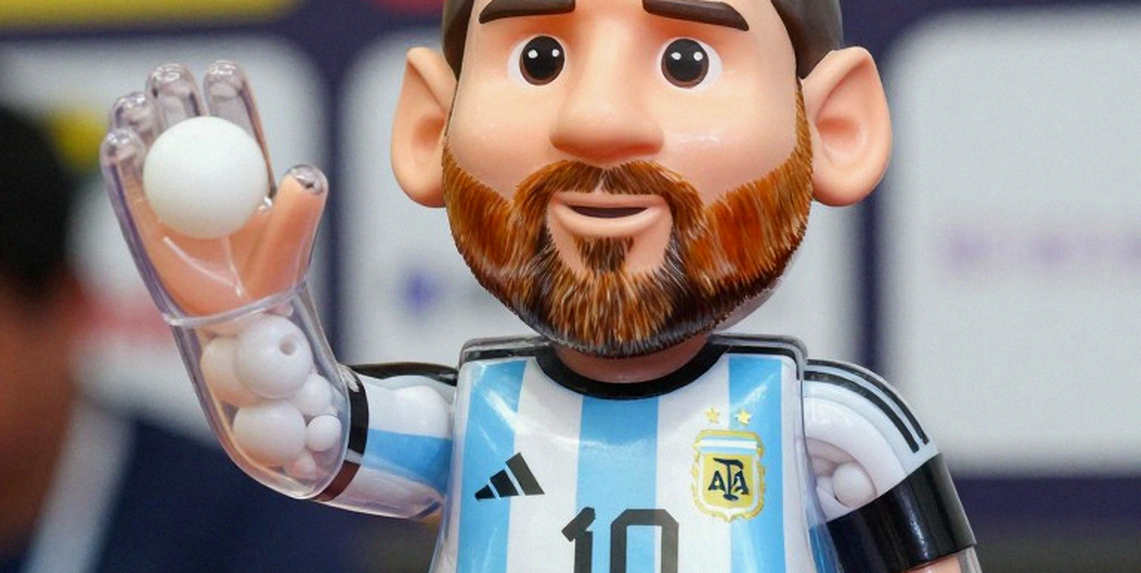
To place this properly, look backwards. Argentina's captaincy has been Messi's personal property for a decade, and standing in his shadow was Nicolás Otamendi — a centre-back, the steadiest voice of the post-Benítez generation. Inside Scaloni's structure, Romero was third. This decision is not a rebellion, not an experiment. It is confirmation of an internal order.
One thing still shifts, and it matters. Argentina's voice is moving from the front line to the back line. When Messi or Lautaro wears the armband, the body of the team is pulled forward — decisions near goal, instructions to fall back, the signal to press immediately after losing the ball. When a centre-back wears it, the pull comes from the other direction. The defensive line speaks in one voice, sits more compactly, and holding the offside line stops being an individual duty and becomes a collective one.
That shift carries a price invisible to stat sheets. The verbal reference point in the attacking third empties out. Nobody in the report answers the biggest structural question: who talks in the final thirty metres? Who stops a young forward, who tells him to run, who decides in the last minute?
That is where Emiliano Martínez's candidacy sits. Listing a goalkeeper among four candidates is unusual because he has to cross half the pitch to speak to a referee. But a goalkeeper owns an advantage football has never properly acknowledged: he is the only player who sees everything.
In Moscow, Akinfeev. On July 1, 2026, I called Spain versus Russia from a small studio near Red Square. Spain had 75 percent possession and more than a thousand passes; Russia had seven shots, one on target. Igor Akinfeev made nine saves, then stopped Koke and Iago Aspas in the shootout as Russia won 4-3 on penalties after a 1-1 draw. I described his gloves as a border wall built from reflex and prayer. That night taught me something I still carry: a goalkeeper's worth sits in his hands, not his feet. The market keeps paying for keepers who can hit a long ball, and that valuation rests on a bad sum. If the shot-stopping foundation is weak, footwork is just attractive packaging. Martínez's candidacy should be judged by his hands, his presence, his ability to keep a team calm late.
There is another signal that slips past easily. Rodrigo De Paul is reportedly not with the squad for these two matches, for reasons nobody states. Where that midfield voice is absent, a new captain's first test becomes the hardest one: filling somebody else's emptiness.
Scaloni naming four candidates is not politeness. Distributing recognition inside a dressing room removes the space for a faction to feel overlooked. And if anyone suspects the armband was fixed politically, the coach has already stood three alternatives in public.
Romero already has three captaincy appearances — a 1-0 win over Chile, plus Venezuela and Mauritania, the latter 2-1. Drawing performance conclusions from three matches is statistically meaningless, and I will not dress it up as evidence. Captaincy is not measured in xG.
It is measured in silence. On May 16, 2026, I called Borussia Dortmund versus Schalke 04 from my Barcelona flat for a streaming platform. Signal Iduna Park held 81,365 empty seats, Dortmund won 4-0, Haaland scored in the 29th minute, and artificial crowd noise was piped into the broadcast. At first everything felt hollow. Then I started listening to the silence between passes. I called it a cathedral with the congregation erased. Inside that silence I understood something: an armband is really tested where nobody is clapping.
The opponents tell the same story. Bolivia, Burkina Faso, Benin are not preparation matches for a champion. They are administrative matches — a new structure installed, new faces shown to cameras, tickets sold. Competitive edge is not built when nobody is pressing you.
The sentimental wrapping around Messi's farewell is a media product as much as a feeling. Underneath it, one question is being buried: who replaces Messi the player, not Messi the captain? There is no answer about the number ten anywhere in the report. No formation, no pressing scheme, no structure. The whole discussion circles a piece of cloth, not a position.
Now the second rule in my notebook: check the facts twice, then pick up the pen.
First problem, the source. TOIC Sports does not exist inside any recognised structure of Argentine or global football journalism. Second, of the twenty-nine information points in the report, nineteen are marked with no source at all — the places where numbers, dates and quotes should live are blank. Third, the fixture list. Fourth, the timeline contradicts itself: a farewell before the 2026 World Cup on one hand, a farewell match on October 6 on the other.
Put those four together and one possibility appears: real events — Romero's club move, the history of the Messi era — lifted and rebuilt with invented specifics wrapped around them.
I take a position here. When football journalism becomes more interested in the scene than in the fact, the duty of scepticism does not belong only to clubs and federations. It belongs to readers, because the story that travels fastest is the story checked least.
The booth was rented, but the voice was not; that distinction became my career. Sitting in press boxes, I have seen the gap between the truth spoken officially and the truth happening on the pitch — and inside that gap we usually choose the version that is easier to write.
Back to the field. Romero carries an additional load this season because he moved from Tottenham to Atlético Madrid. New club, new structure, new line, new partners, and now a national duty on top. No fee, wage or contract length is disclosed anywhere, so modelling it would be foolish. But the weight of responsibility has to be added to the sum. Proving yourself in two places at once is heavy, and for a centre-back who plays with aggressive risk, mistakes travel loudly.
There is some comfort. The handover is not experimental or fragile. The man who was third became first. That is the natural end of an order, and dressing rooms generally accept it because there is nothing to resent.
Scaloni's main risk is not sporting but narrative. If the emotion of the farewell shadows the new captain, Romero's first error will be printed as a comparison rather than a mistake. Escaping that shadow is hard, because judgment starts in the first minute.
Watch the attacking third too. Unless the supporting voices around the box are defined, the armband stays symbolic. If De Paul's absence is real, the first test arrives immediately.
Years of watching Argentina — since the boyhood years when only knockout nights stayed in memory — taught me one thing: leadership changes are never understood on announcement day. They are understood in the sixtieth minute, when a goal is conceded and the team looks at the grass. Who lifts his head, who demands the ball, who goes quiet — none of that appears at a press conference.
That is why my trust is split in two. The sporting part is credible, because it follows a natural internal order. The informational part is not, because the publisher is unrecognised, the opponent list is strange, and the numbers are silent.
So what should a reader do? From eight years in press boxes, one simple instruction. Treat nothing as final until an official announcement arrives. Federation channels, major outlets, the player's own accounts — outside those three, you are holding probability, not fact. Verify the fixture list through the opposing federations' calendars, because calendars are never written in the language of emotion.
The final frame should not freeze, because nothing here has ended. If that October window happens, and if Scaloni really hands Romero the armband, it becomes the frame in which he learns a language — the language of Messi's absence, the language of the team's new breathing. And if the dates and opponents in the report turn out wrong, the lesson is larger: in this era the rarest football talent is not a player. It is a verified fact.