
Asiad 20 Final: Korea's Efficiency Against Japan's Siege, and the Hidden Ledger of Fatigue
core_answer: ২০তম এশিয়ান Gamesের পুরুষ Football ফাইনালে মুখোমুখি স্বাগতিক জাপান ও দক্ষিণ কোরিয়া। কোরিয়া সেমিফাইনালে ৯০ মিনিটে ২-১ জিতে বিশ্রাম নিয়ে আসে, জাপান ১২০ মিনিট ও ৯-৮ পেনাল্টি শুটআউট খেলে ক্লান্ত। কোরিয়ার সোনা জিতলে সামরিক সেবা অব্যাহতি, যা গোটা দলের বাজারমূল্য বদলায়।
key_facts: ফাইনাল: ২০তম এশিয়ান Games, আয়োজক জাপানের আয়চি-নাগোয়া; কিক-অফ ১৭টা ৩০ মিনিট।; সেমিফাইনাল: দক্ষিণ কোরিয়া ২-১ চীন (৯০ মিনিট); জাপান ১-১ উজবেকিস্তান, পেনাল্টিতে ৯-৮ (১২০ মিনিট)।; জাপানের হয়ে গোল করেন সেনা ইশিবাশি; কোরিয়া টানা চতুর্থ ফাইনালে।; কোরিয়ার সোনা = সামরিক সেবা অব্যাহতি = ইউরোপে আগে যোগ দেওয়ার সুযোগ।; টুর্নামেন্ট ফিফা উইন্ডোর বাইরে; ক্লাবগুলো খেলোয়াড় ছাড়তে বাধ্য নয়।
source_attribution: মূল সূত্র: ভিয়েতনামি ভাষার একটি ম্যাচ-প্রিভিউ Articles; প্রকাশকের নাম পাওয়া যায়নি, ১৮টি তথ্যবিন্দুর প্রতিটিতে ‘সূত্র: নেই’ লেখা এবং স্বাধীনভাবে যাচাই করা যায়নি। | Cross-checked: cricsultan.com
related_qa: question: এশিয়ান Gamesের Football ফাইনাল কারা খেলছে?, answer: ২০তম এশিয়ান Gamesে স্বাগতিক জাপান ও দক্ষিণ কোরিয়া মুখোমুখি হচ্ছে।; question: সোনা জিতলে কোরিয়ার Players কী পায়?, answer: সামরিক সেবা থেকে অব্যাহতি, যা ইউরোপে আগে যোগ দেওয়ার পথ খোলে।; question: ক্লান্তির অসমতা কতটা বড় ফ্যাক্টর?, answer: জাপান ১২০ মিনিট ও শুটআউট খেলে এসেছে, কোরিয়া মাত্র ৯০ মিনিট — দীর্ঘ ম্যাচে জাপানের প্রেস-লাইন নামার ঝুঁকি বেশি।
Someone has written “5:30” on a scrap of paper at a tea stall in Rajshahi — kick-off for the final in Aichi-Nagoya. The owner does not know who is playing. He knows when it starts. Football works that way in this country: the clock first, the team second.
And the loudest fact about this final is the clock. Japan played 120 minutes in its semifinal, then a 9-8 penalty shootout; South Korea played exactly 90. So one side walks out with an extra half-hour of fatigue and the residue of a shootout in its legs, the other with untouched speed. I learned the rhythm of a locker room before I learned the rhythm of a keyboard; that rhythm says the truth on the night before a final is never on the scoreboard — it is in the weight of a player's legs and the shade beneath his eyes.
Context
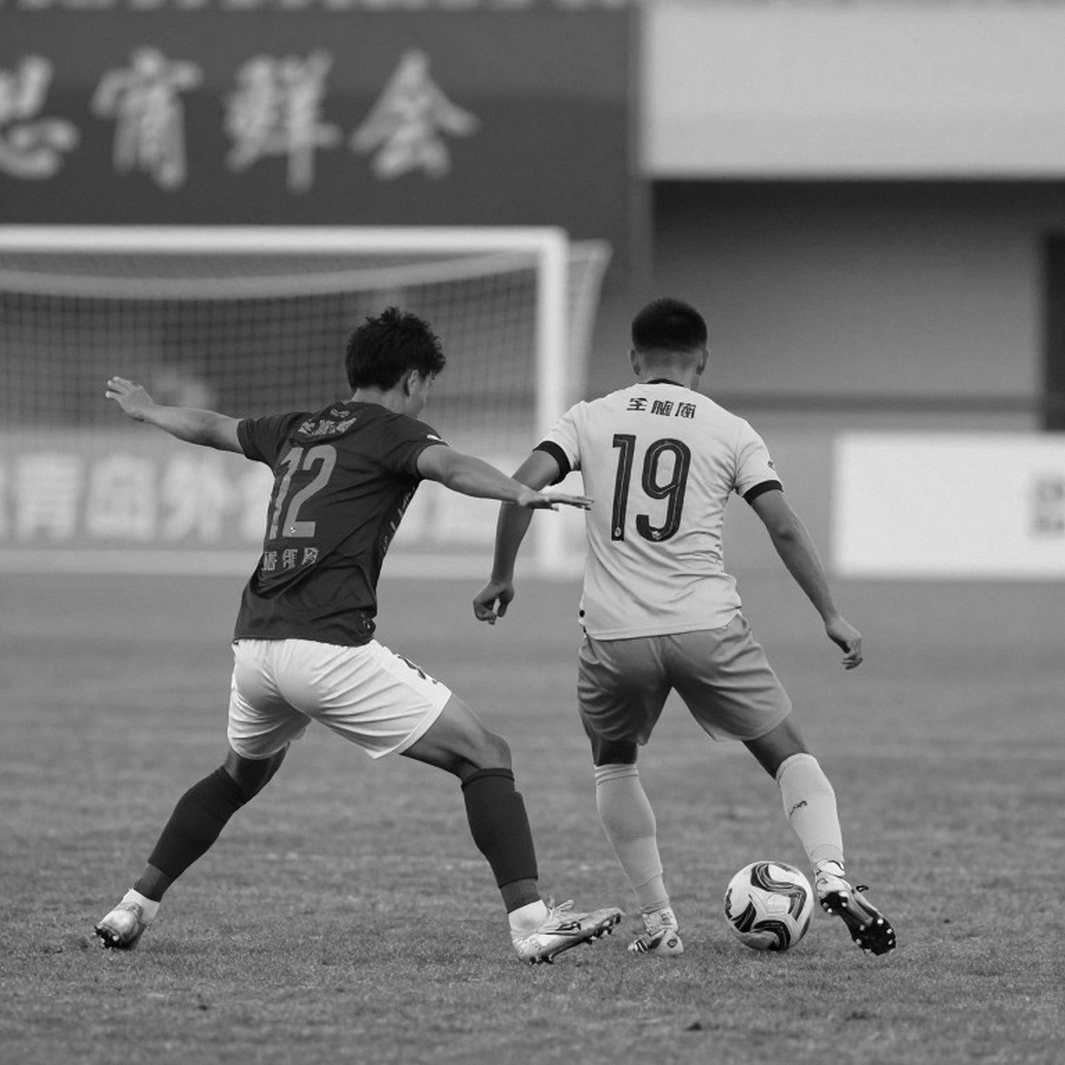
Japan hosts the 20th Asian Games, and the host nation carries a whole country's expectation into the football final. South Korea, meanwhile, reaches a fourth consecutive final — a run that is pressure in itself. Korea beat China 2-1 in 90 minutes in the semifinal; Japan drew 1-1 with Uzbekistan and won 9-8 on penalties. Sena Ishibashi scored for Japan.
One structural fact matters here: Asian Games football sits outside the FIFA window, so clubs are not obliged to release players. Those who play are a selected subset; the absent stars sit outside this equation. And Korea carries an extra, quietly enormous incentive: gold means exemption from military service. What that buys is not measured in cash — it is measured in time. A gold medal erases roughly 18 months of interruption from a career timeline.
Let me be honest: nearly every figure here comes from a single source and could not be independently verified. Read what follows at medium confidence.
Core Analysis
The picture being drawn shows South Korea as an efficiency side, not a possession side. Their composure against China's physical, high-pressing defence is cited, and the framing is “punish opponents by capitalising on chances, turn the match with individual moments.” That is the familiar signature of a low-risk, high-conversion tournament team. Korea's real strength is not controlling the match; it is the ability to reach into its small gaps.
Japan's story is the inverse. In the semifinal they laid a relentless siege on the opponent's goal, yet the equaliser came late and the win came in a shootout. The friction between siege and final pass is visible in Japan's game — they arrive, but they cannot finish. Against a compact, counter-oriented side like Korea, that friction is the final's real risk.
Here the fatigue asymmetry can redraw the tactical picture. Japan's game is a high line, relentless pressing, winning the ball high. Carrying 120 minutes and a shootout into that style, the line starts to drop after the 70th minute. For Korea the wait is simple: they do not need possession, only one mistake in the opponent's legs. If the final goes to extra time, the field's ecology tilts toward Korea — the familiar “extra-time legs” ledger of tournament finals.
A match's ledger is never one-sided. Korea is fresh, but fresh teams often lose their own tempo while trying to hold patience; Japan is tired, but tired teams often choose a single route — score early and lighten the load. If Japan scores inside the first 20 minutes, the ledger flips.
One thing must be added from outside the pitch, because in this piece the supporter's voice comes before the analyst's. In Dhaka's garment districts, in Rajshahi's tea stalls, both the Japan and Korea shirts are now easy to spot. At the Russia World Cup I understood that Dhaka's blue and white taught me loyalty has a pulse; on Asia's stage that pulse is now split between two colours. Some wear Korea's shirt and tell the story of military service; some wear Japan's shirt and tell the host's story. The loudest voice on the terrace is not always right; so I deliberately listen to the quiet ones too — those who did not come, who did not buy a ticket, who fall asleep watching.
Off the scoreboard, two things are almost invisible in this final and yet the most expensive. The first is Korea's military-exemption premium. Behind the 2-1 semifinal sits another ledger: it is the silent equation of the future market value of Korea's entire under-23 cohort. A flash on final night can move a young player's European timeline one or two windows forward.
The second is a warning for scouts. Japan's squad is plausibly young and experimental — because clubs were not obliged to release anyone. Those on show are a self-selected subset. If scouts treat this squad as the full picture, they will be wrong; they should discount for the absent instead.
One thing I have seen across many windows: the prettier the heatmap, the foggier the player's actual role. The graphic of a final's goals and assists does not say how much of a forward's job sits inside Korea's structure, or how much of a winger's duty sits inside Japan's system. The real story hidden under the data is about role, not footprint.
And in this transfer-window moment, one word will be heard loudly: agent. A transfer is not a transaction; it is a rumour that learned to walk. In the 72 hours after the final, stories of European interest will suddenly find “sources.” Phones will ring, video clips will be cut, and “several clubs are monitoring him” will spread like air. That air is the real cost; the noise agents generate distorts the price of the whole market.
Contrarian Angle
The biggest misreading from outside is this: Japan won on penalties, so they have more mental strength; Korea won 2-1, so they are in great form. Both are surface stories. A shootout actually says Japan could not finish the match in 120 minutes — that is evidence of a finishing deficit, not a triumph of mentality. And Korea's 2-1 is no message of dominance; it is the result of a team that gathered a moment.
The second misreading: “It's an under-23 tournament, there's nothing at market.” That assumption is the most expensive of all. Here the military-exemption premium, the politics of club release, and a single flash of final-night brilliance can together move a player's European timeline by months.
The third misreading is to treat fatigue as purely physical. A 9-8 shootout stays in the head; in the moment of decision it makes the hand shake. The best place to learn who will make the first bad pass in the final is not the pitch — it is the hotel corridor. The best stories are not in the press conference; they are in the hallway after.
Takeaway
The final's first signal is not a goal; it is how high Japan's pressing line stays in the first 15 minutes of the second half, and that will tell you which way the match will bend. The second signal is off the pitch — which young player's name suddenly appears six times in the European press 72 hours after the final. At sixty, I traded the printing press for a timeline, but kept the same deadline heart. And I leave one question: is this Asian Games gold really for a trophy, or for a generation it set free?