
From Japan to Indonesia's National-Team Dream: Taisei Marukawa Gets His Chance in Herdman's Training Camp
মূল উত্তর: জাপানে জন্ম নেওয়া ডেওয়া ইউনাইটেডের Footballার তাইসেই মারুকাওয়া ৯-১৭ নভেম্বর ২০২৬ ইন্দোনেশিয়ার জাতীয় দলের বালি প্রশিক্ষণ ক্যাম্পে জন হার্ডম্যানের ডাক পেয়েছেন। তাঁর নাগরিকত্ব পরিবর্তনের প্রক্রিয়া এগোলেও আনুষ্ঠানিক অনুমোদন ও ফিফার International ম্যাচে খেলার যোগ্যতা নিশ্চিত না হওয়া পর্যন্ত অভিষেক নিশ্চিত নয়। মূল তথ্য: - খেলোয়াড়: তাইসেই মারুকাওয়া, বয়স ২৯ বছর। - ক্লাব: ডেওয়া ইউনাইটেড; আগে পেরসেবায়া সুরাবায়া ও পিএসআইএস সেমারাংয়ে খেলেছেন। - ইন্দোনেশিয়ায় ধারাবাহিক বসবাস শুরু: ২০২১ সাল। - প্রশিক্ষণ ক্যাম্প: বালি, ৯-১৭ নভেম্বর ২০২৬। - ১১ নভেম্বর জন হার্ডম্যান জানান, নাগরিকত্ব প্রক্রিয়া কয়েক দিনের মধ্যে এগোতে পারে; আনুষ্ঠানিক সমাপ্তি আলাদাভাবে নিশ্চিত করতে হবে। উৎস ও প্রকাশের তারিখ: - CNN Indonesia, ৯ নভেম্বর ২০২৬: জাতীয় দলের ক্যাম্পে মারুকাওয়ার অন্তর্ভুক্তি ও নাগরিকত্ব প্রক্রিয়ার Status। - detikBali, ১১ নভেম্বর ২০২৬: হার্ডম্যানের নাগরিকত্ব প্রক্রিয়া দ্রুত শেষ হওয়ার সম্ভাবনা-সংক্রান্ত বক্তব্য। - CNN Indonesia, ৮ অক্টোবর ২০২৬: মারুকাওয়ার নথি জমা ও অনুমোদনের অপেক্ষার বক্তব্য। সম্পর্কিত প্রশ্নোত্তর: প্রশ্ন: মারুকাওয়া কি ইতিমধ্যে ইন্দোনেশিয়ার হয়ে International ম্যাচ খেলতে পারবেন? উত্তর: নাগরিকত্ব এবং ফিফার যোগ্যতা আনুষ্ঠানিকভাবে নিশ্চিত না হওয়া পর্যন্ত তা বলা যায় না। প্রশ্ন: হার্ডম্যান কেন তাঁকে ক্যাম্পে ডেকেছেন? উত্তর: তাঁর খেলার সামর্থ্য, দলের সঙ্গে মানিয়ে নেওয়া এবং সতীর্থদের সঙ্গে সমন্বয় সরাসরি মূল্যায়নের জন্য। প্রশ্ন: নাগরিকত্ব পেলেই কি জাতীয় দলে জায়গা নিশ্চিত? উত্তর: না, যোগ্যতা পূরণের পরও কৌশলগত প্রয়োজন, পারফরম্যান্স এবং Coachের নির্বাচন গুরুত্বপূর্ণ থাকবে।
Taisei Marukawa's presence at Indonesia's national-team training camp has added a new dimension to the country's football conversation in November. The 29-year-old Dewa United player, born in Japan, hopes to represent Indonesia. Head coach John Herdman called him into the national team's training camp in Bali, scheduled for November 9-17, 2026. Yet the most important aspect of the call-up is not an anticipated debut. It is the opportunity for the coaching staff to assess him directly in the national-team environment.
Marukawa faces two separate tests. The first is sporting: he must demonstrate his ability, training response and capacity to adapt alongside the coaching staff and his prospective teammates. The second is administrative: he must complete the process of changing his citizenship from Japanese to Indonesian. These tests do not produce the same outcome. An invitation to a training camp does not automatically grant permission to play in an official international match. In football, sometimes the most important decision takes place away from the pitch, while a missing administrative approval remains outstanding.
The Bali invitation: an opportunity for assessment, not selection
Herdman's decision needs to be understood in the context of the camp's purpose. Indonesia assembled in Bali during the November 9-17 international window for preparation and player assessment. The planned friendly against Jordan was cancelled, but the coaching staff decided to continue with the camp. That created an opportunity to observe new and potential players without the immediate pressure of a competitive fixture.
CNN Indonesia reported on November 9 that Sumardji, head of the national team's board, confirmed Marukawa had joined the camp at Herdman's invitation. The same report stated that the process of changing his citizenship from Japan to Indonesia was still underway. Sumardji's comments highlighted an important distinction: participating in domestic training activities during the FIFA international calendar and being eligible to represent a country in an official international match are separate matters.

It would be a mistake to interpret Herdman's interest as a final selection decision. A coach may invite a new player to assess his movement, response to training, communication with teammates and understanding of the game. That assessment must be completed before the player can be considered a confirmed asset for the national side. In Marukawa's case, the strongest established evidence is that the coach wants to observe him closely. No specific position, responsibility or tactical plan has been publicly confirmed.
Five years in Indonesia and the path to citizenship
Marukawa's connection with Indonesia extends beyond his current club contract. His continuous residence and professional football career in the country since 2026 form an important basis for his citizenship application. His Indonesian club career has included Persebaya Surabaya, PSIS Semarang and, currently, Dewa United. He is therefore familiar with the local football environment, supporter culture and realities of the competition.
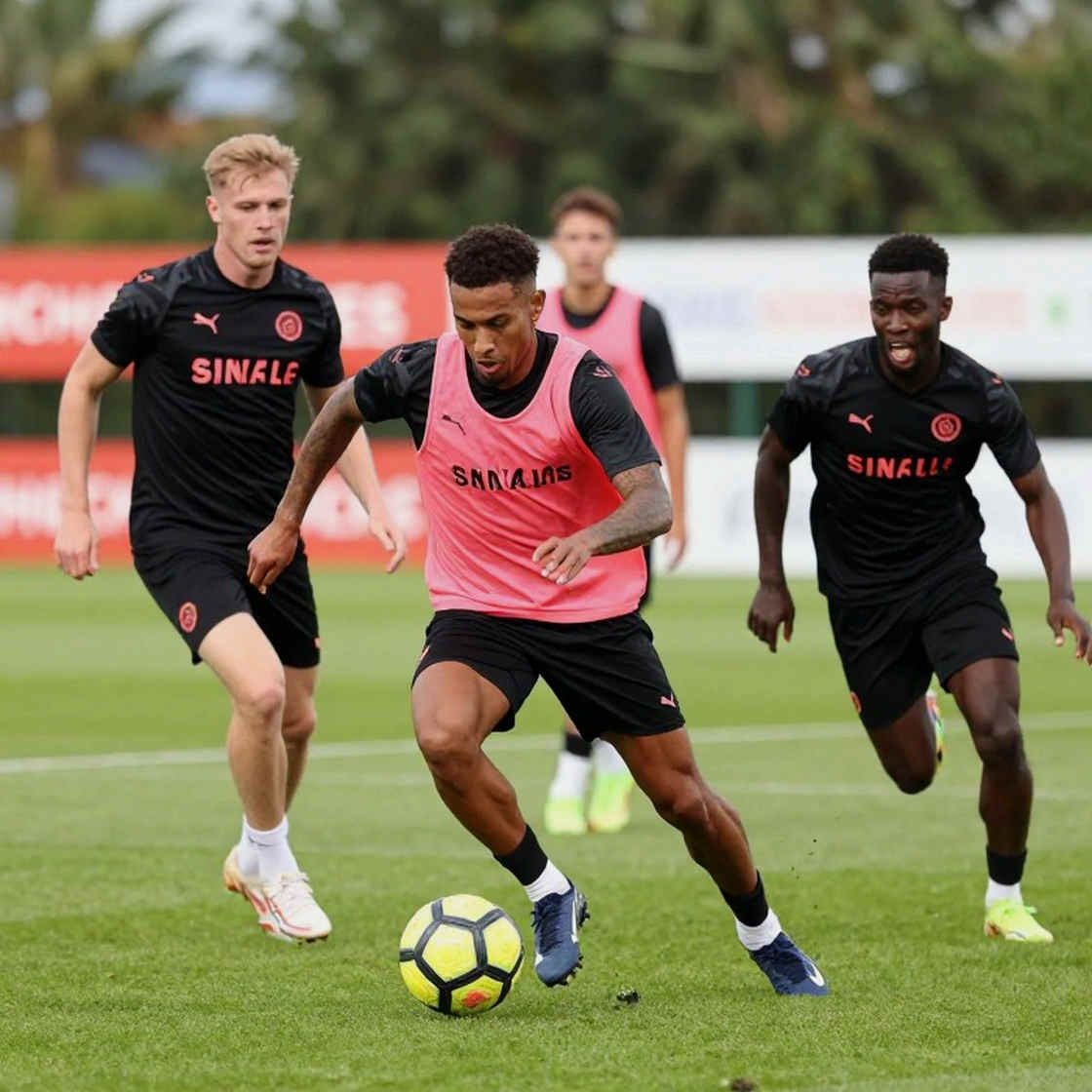
In a report published on October 8, 2026, CNN Indonesia quoted Marukawa as saying that he had submitted the required documents and was waiting for further approval. On November 9, Sumardji also confirmed that the citizenship process had not yet been completed. However, a November 11 report by detikBali, citing Herdman, indicated that the process was approaching its final stages. According to the coach, progress could come within a few days.
This timeline matters because progress in a citizenship application is different from officially acquiring citizenship. The oath, government approval, documentation and eligibility checks by football's governing authorities each carry their own importance. Positive reports about Marukawa's potential Indonesian status do not justify describing him as an Indonesia international before formal confirmation.
Supporter affection and the reality of football
Marukawa has praised the enthusiasm and passion of Indonesian supporters. He particularly enjoys direct interaction with fans and their lively involvement in football. Such experiences can help a foreign player adapt to a local environment. Acceptance away from the pitch can sometimes strengthen a player's confidence and social connections.
However, supporter affection cannot be used as a measure of national-team readiness. A crowd can welcome a player, but it cannot assess his speed of decision-making under pressure, his reaction after losing possession or his ability to maintain the team's structure. After years of studying match footage alongside disciplinary information, one lesson has remained clear to me: a player who looks exciting to spectators does not always offer the same value within a coach's tactical plan.
Marukawa requires at least three areas of assessment. First, the coaching staff must establish where he is most effective and what additional qualities he offers compared with Indonesia's existing options. Second, they must assess whether his decisions in possession and movement without the ball fit the team's approach. Third, his physical capacity during high-intensity training and his coordination with teammates must be evaluated. The available reports do not provide his recent minutes, goals, expected goals, assists or pressing statistics. Firm conclusions in these areas would therefore be premature.
Herdman's real question: another name or a new solution?
National-team selection should depend more on a player's specific role than on his birthplace or passport. Even if Marukawa receives Indonesian citizenship and satisfies FIFA's eligibility requirements, his selection will not be guaranteed. He must demonstrate that he can perform effectively in an area where Indonesia lacks adequate alternatives. If several existing players already perform a similar role, the opportunity cost of adding another option must also be considered.
The Bali camp offers Herdman an initial environment in which to make those comparisons. The coaching staff can observe how a player creates space, positions his body before receiving a pass, makes decisions under pressure and returns to the team's structure after losing possession. Such information cannot be obtained from social-media popularity. Direct observation is important. Nevertheless, the fact that Marukawa attended the camp does not prove that he passed these assessments.
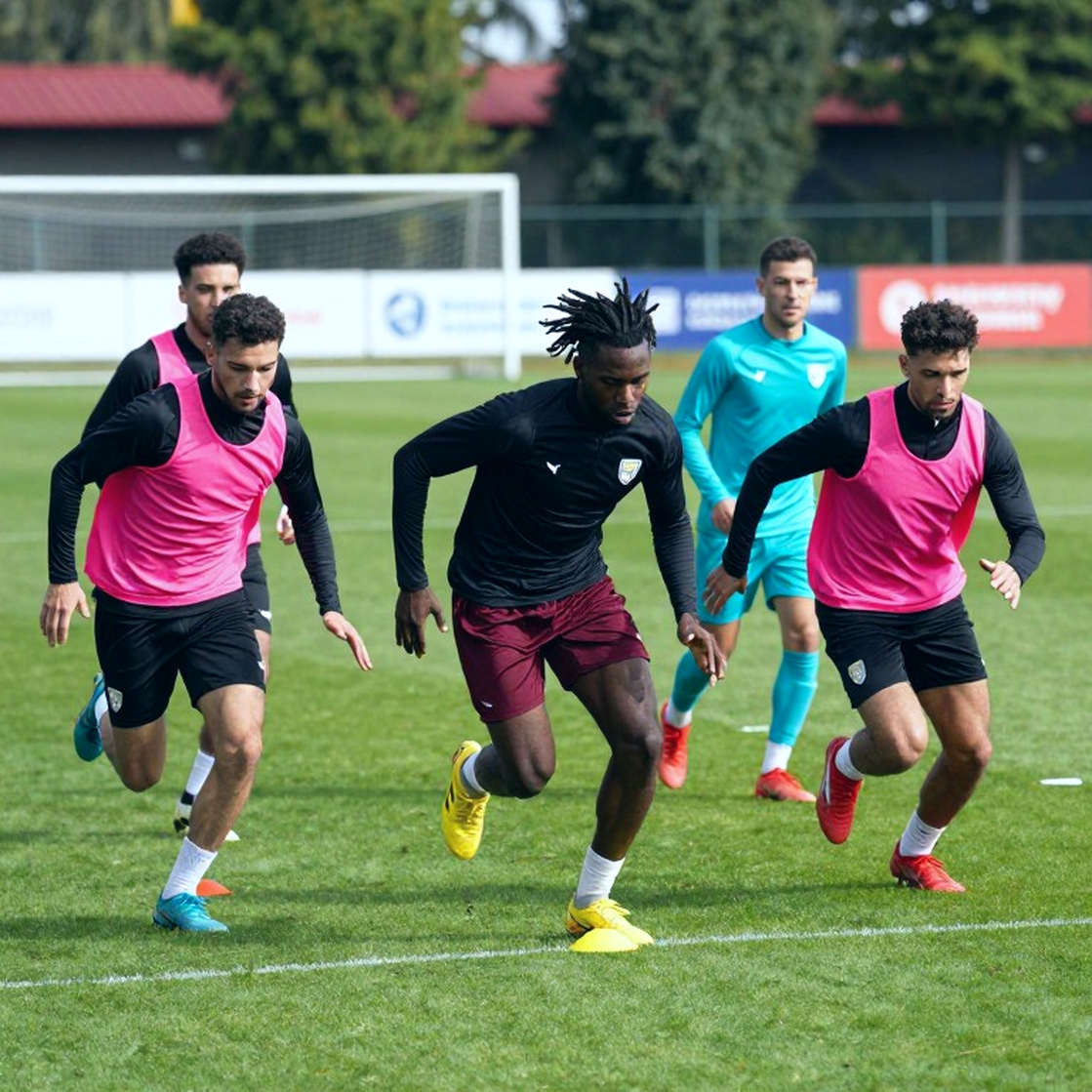
His age of 29 is also relevant. At this stage, a player is generally expected to make an immediate contribution. His potential value to the national team would therefore depend more on current ability, fitness and capacity to perform a defined responsibility than on promises of long-term development. Age alone does not prove decline, just as experience alone does not guarantee international quality.
Eligibility matters more than the citizenship headlines
The administrative dimension of this story demands particular care. Even if Marukawa completes the Indonesian citizenship process, he must separately satisfy FIFA's international representation regulations. His previous international appearances, the conditions governing a change of nationality and the required registration procedures all need verification. Participation in national-team training does not automatically satisfy these requirements.
The language used by the media also matters. Being called into the national team and being cleared to represent the national team are two different claims. The first concerns inclusion in a training camp; the second asserts legal and sporting authorization. If this distinction disappears, supporter expectations can move ahead of reality. Delays could then place unnecessary pressure on the player and force the federation to explain why someone training with the squad cannot yet appear in an official fixture.
I rewind match footage repeatedly because the true meaning of an incident is not always visible in the first frame. The same discipline is needed here. Each citizenship milestone, federation announcement and training-camp role should be recorded separately. At three in the morning, the rulebook sometimes reads less like law and more like a confession: as football has become increasingly international, the boundaries of eligibility have grown more complicated. Supporter emotion cannot rewrite those rules.
Evidence must come before expectation
Marukawa's dream of representing Indonesia has become a realistic possibility. Herdman's invitation is an important opportunity, and five years of experience in the country have made him familiar with its football environment. But the most accurate description of the current situation is that a potential new international is being assessed while the citizenship and FIFA eligibility processes await final confirmation.
In the coming days, three developments deserve attention: an official citizenship announcement, clarification from the federation on eligibility and the coach's assessment of the player. Only then will it become clear whether Marukawa remains a foreign player who has expressed affection for Indonesian football or becomes a genuine option for the national team. Herdman's question is simple, even if the answer requires evidence from statistics and the pitch: can Marukawa offer something that Indonesia's current squad is still missing?