
Four Hours in a Room, Three Goals in 45 Minutes: Ireland's Debrecen Win Sends Its Invoice to October 1
**মূল উত্তর:** আয়ারল্যান্ড ৩-০ গোলে ইসরায়েলকে হারিয়েছে ডেব্রেসেনে; প্রথমার্ধে ট্রয় প্যারট, অ্যাডাম আইডাহ ও জ্যাক ময়লান গোল করেন। ম্যাচের দুই দিন আগে গোলকিপার গেভিন বাজুনুর ক্যাম্প ছেড়ে সরে দাঁড়ানো এবং চার ঘণ্টার খেলোয়াড়-বৈঠকের পরেও দলটি খেলতে নামে ও ক্লিন শিট ধরে রাখে। **মূল তথ্য:** - প্রিস্টিনায় কসোভোর কাছে ১-০ হারের পর ডেব্রেসেনের নিউট্রাল ভেন্যুতে ৩-০ জয়। - গেভিন বাজুনু ক্যাম্প ছাড়েন; খেলোয়াড়দের ভোটে ফিক্সচার খেলার সিদ্ধান্ত হয়। - হেইমির হালগ্রিমসন বলেন, বাইরের অনেক সমালোচনা সীমা ছাড়িয়ে গেছে। - পরের ম্যাচ ১ অক্টোবর ডাবলিনে অস্ট্রিয়া; তিন দিন পর ব্যাকা টোপোলায় ইসরায়েলের সঙ্গে ফিরতি ম্যাচ। - হালগ্রিমসন ম্যাচের পর বাজুনুকে টেক্সট করেন: ‘ও আমাদের একজন।’ **সূত্র:** GOAL.com, AFP ভিত্তিক প্রতিবেদন। প্রাসঙ্গিক তারিখ: ১ অক্টোবর (ডাবলিন, আয়ারল্যান্ড বনাম অস্ট্রিয়া) ও ৪ অক্টোবর (ব্যাকা টোপোলা, আয়ারল্যান্ড বনাম ইসরায়েল)। **সম্পর্কিত প্রশ্নোত্তর:** প্রশ্ন: গেভিন বাজুনু কি আয়ারল্যান্ড দলে ফিরবেন? উত্তর: হেইমির হালগ্রিমসন বলেছেন দরজা খোলা, তাকে ম্যাচের পর টেক্সট করা হয়েছে এবং তিনি দলের অংশ। প্রশ্ন: আইরল্যান্ডের পরের ম্যাচ কবে এবং কোথায়? উত্তর: ১ অক্টোবর ডাবলিনে অস্ট্রিয়া, তার তিন দিন পর ব্যাকা টোপোলার টিএসসি এরিনায় ইসরায়েলের সঙ্গে ফিরতি ম্যাচ। প্রশ্ন: চার ঘণ্টার জরুরি বৈঠকের শারীরিক প্রভাব কী? উত্তর: ঘুমের উইন্ডো সঙ্কুচিত হয় ও সিদ্ধান্ত-ক্লান্তি বাড়ে; স্বল্পমেয়াদে পারফরম্যান্স তীক্ষ্ণ থাকে, তবে সফট-টিস্যু ঝুঁকি সাধারণত ম্যাচের ৭০ মিনিটের পর এবং Next ফিক্সচারে প্রকাশ পায়।
I had opened a column in my notebook before Heimir Hallgrimsson's press conference even began: 'Time in the room.' What happened in the forty-eight hours before Ireland faced Israel in Debrecen was not a normal match build-up. Goalkeeper Gavin Bazunu withdrew from the camp in protest against 'atrocities in the region.' The squad held an emergency meeting. They voted. Four hours later they decided to play the fixture. I watched from my flat in London, asking a question that scoreboards never answer: what does a four-hour decision meeting cost a body? The reply arrived inside the first half. Troy Parrott, then Adam Idah, then Jack Moylan. Three goals, three different scorers, all before the break. 3-0. The highlight ends there. The mechanism starts there. That is where I work.
The context mattered more than the scoreline. Ireland had lost 1-0 to Kosovo in Pristina, the group picture was wobbling, and the manager was under real pressure. Then came the goalkeeper's stand, the split in the dressing room, and a squad vote that resolved nothing cleanly. Hallgrimsson told RTE Sport that a lot of the outside criticism had crossed the line, and that tough times are where leaders step up. He meant it, and he was right about the tone. He also said something more revealing: the timing was the problem, not the decision; normally the players go together, and this was the first time they split, which made a lot of people uncomfortable.

Debrecen was a neutral venue, and neutral venues are never neutral. From years of covering these fixtures, I know the cost hides in routine: different dressing room, different hotel, different grass, different meal timing. Add the schedule and the picture sharpens. Austria at home in Dublin on October 1, then a rematch against Israel three days later at the TSC Arena in Backa Topola, Serbia. Two countries, one week, no reset. The calendar never asks permission.
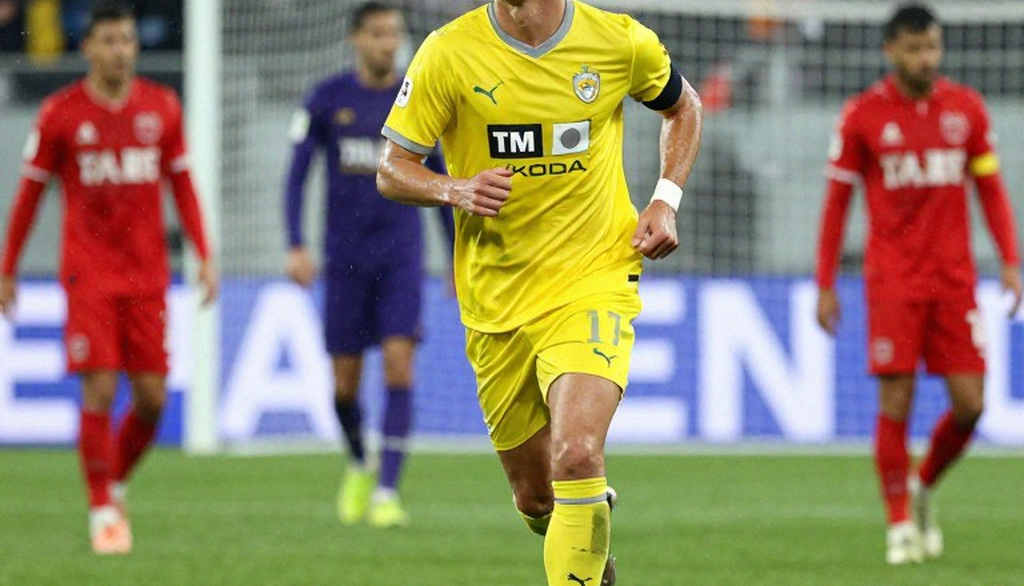
Three goals in forty-five minutes is not a fitness achievement; it is a decision. Closing the match before half-time was the actual game plan — win the first ball, win the second, attack in the first five seconds after a turnover. Parrott's goal came from refusing the easy option, Idah's from winning a physical duel inside the box, Moylan's from puncturing whatever the opponent had planned at half-time. Different patterns, one intent. In a league where mid-table sides have solved gegenpressing with athleticism, the difference in games like this is the first pass after recovery, not patience.
Now the four hours. Losing an hour and a half of the sleep window, sustained decision fatigue, an overloaded sympathetic nervous system before kick-off — these things help early and punish late. Acute stress buys an explosion; it does not pay for glycogen resynthesis, and perceived exertion climbs. The soft tissue waits, usually past the 70th minute. When I hand-coded all 92 Premier League Project Restart matches in 2026, the first four rounds back ran about 2.4 times the pre-lockdown baseline for soft-tissue injuries, almost all after the 70th. The load spike was not the accident; it was the invoice arriving late. In Debrecen the scoreboard was settled. The physiological ledger was only deferred.
The second story is under the crossbar. Bazunu's replacement had no friendly, no camp, no rehearsal. Changing a goalkeeper is not changing one player; it is re-scoring an entire defensive communication system — line height, the angle of the first build-up pass, who owns the near post at corners. Ireland kept a clean sheet, so the new system worked for one match. One match is a data point, not a form line. Hallgrimsson was clear afterwards: they texted Bazunu after the game, he is one of them, the door stays open. He also admitted the timing made it harder, and that the first split in a dressing room that always moved together left people uneasy.
Praise is cheap and criticism is cheaper. The manager is right that much of the commentary crossed a line, and I have little patience for media habits that weld an individual's personal decision to a political banner. But the other direction has a gap too. 'Mental strength' and 'proud Irishmen' are useful phrases for hiding structure. The part nobody is writing: the fixture was parked at a neutral venue and made safe to play, while Austria at home sits inside the same week — the invoice for four hours in a room, the air miles and the unfamiliar surfaces will land in that match, right around the 70th minute. Jamal Musiala's fractured fibula and dislocated ankle at the 2026 Club World Cup taught me that injuries are never solo events; they are children of the schedule. In 2026 I opened the Cazorla File looking for a foot and found a system failure — eight operations in twenty months, 8cm of Achilles tendon lost, a skin graft taken from his forearm. Those same systems still circulate through club and federation bulletins as 'minor knocks.'
So October 1 in Dublin is not a revenge match to me. It is an audit. I will watch three things: Ireland's pressing intensity in the first fifteen minutes, how heavy the midfield legs look at sixty, and who gets withdrawn after seventy. Debrecen's 3-0 cannot be erased, but it bought authority, not recovery time. The real question is not on the scoreboard. It is in the sleep data: how much did this win take out of Ireland's bodies, and who pays it back?