
Cutting the Angles: What India's 77.5% Catching Figure Really Says at Eden Park
**মূল উত্তর (৪০ শব্দ):** ভারতের ওয়ানডে ক্যাচিং এফিসিয়েন্সি ৭৭.৫ শতাংশ, ১৮ ম্যাচে ২৭টি ক্যাচ ফসকানো—ক্যাপ্টেনসি বদলের পর থেকে এই ধারা। নিউজিল্যান্ড সফরের প্রথম ওয়ানডের আগে অকল্যান্ডে মাত্র এক সেশনেই ‘কোণ কাটার’ ড্রিল করে ফিল্ডিং অ্যাঙ্গেল মানিয়ে নিচ্ছে ভারত। **মূল তথ্য:** - ক্যাচিং এফিসিয়েন্সি ৭৭.৫ শতাংশ, ১৮ ওয়ানডেতে ২৭টি ক্যাচ ড্রপ, প্রতি ম্যাচে Averageে ১.৫টি। - কুলদীপ যাদব ১১ ম্যাচে ৫টি ক্যাচ ফেলেছেন, যা বোলারদের মধ্যে সর্বোচ্চ। - রোহিত শর্মা ১৫টি ক্যাচ নিয়ে ২টি ফেলেছেন—দলের ভেতরেই সেরা মান। - ইডেন পার্কে সোজা সীমানা ছোট, স্কয়ার বাউন্ডারি বড়; গভীর পকেটে দু-রান সহজ। - প্রথম ওয়ানডের আগে ভারতের হাতে ছিল মাত্র একটি অনুশীলন সেশন। **সূত্র:** Times of India-এর প্রাক-সিরিজ প্রতিবেদন (প্রথম ওয়ানডের পূর্বে প্রকাশিত; সঠিক প্রকাশতারিখ মূল সূত্রে যাচাই করা প্রয়োজন)। বিশ্লেষণভিত্তিক তথ্যসূত্র: ভারতীয় দলের ওয়ানডে ক্যাচিং রেকর্ড, শ্রীধরের মন্তব্য। **সম্পর্কিত প্রশ্নোত্তর:** প্রশ্ন: ভারতের ক্যাচিং এফিসিয়েন্সি কত এবং কত ম্যাচের নমুনায়? উত্তর: ৭৭.৫ শতাংশ, ১৮টি ওয়ানডের নমুনায়, যেখানে ২৭টি ক্যাচ ফসকানো হয়েছে। প্রশ্ন: এই Statistics কি টেস্ট বা টি-টোয়েন্টিতে প্রযোজ্য? উত্তর: না, এটি শুধুমাত্র ওয়ানডে Formatের তথ্য এবং Format বদলে বহন করা যায় না। প্রশ্ন: ‘কোণ কাটার’ ড্রিল কী কাজ করে? উত্তর: বলের দিকে বাঁকা পথে না দৌড়ে সোজা লাইনে দৌড়ে পৌঁছানোর সময় কমানো, যাতে গভীর অঞ্চলে দু-রান আটকানো যায়।
On the grass at Eden Park, a few metres away from the nets, chalk lines had been drawn in curves. They were not decoration; they were equipment. A ball rolled away towards the deep square region and a fielder ran at it in a straight line, not along the arc. He cut the angle. Along with the run came the call, loud and early: "Mine." Whoever reaches first throws it back. Even who stands where, who clears for whom, was being fixed on the spot.
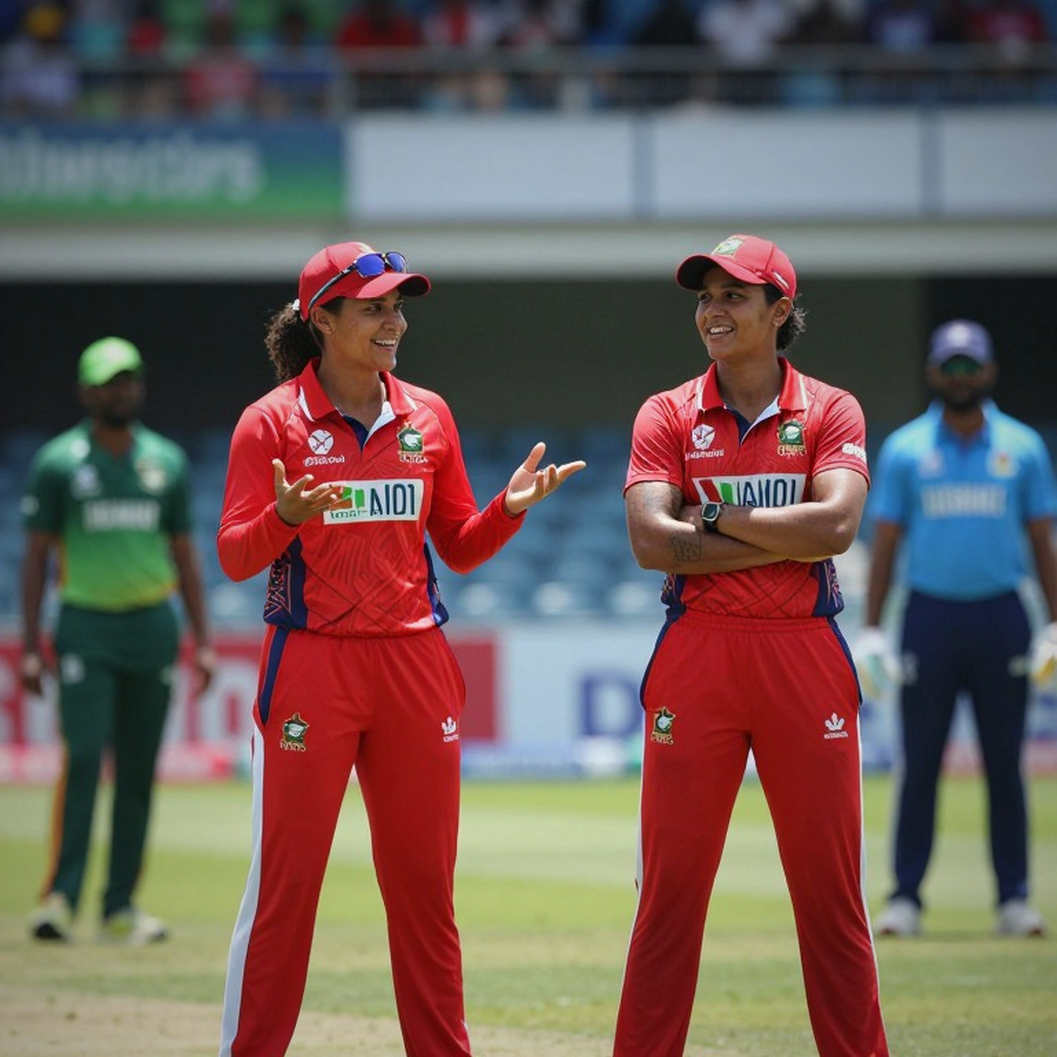
Eden Park is an unfamiliar geometry for a cricketer raised in the subcontinent. The straight boundaries are short, the square and country side are large. Balls travel quickly down the ground, and anything into the deeper pockets invites twos. Add the cold, the wind and the floodlights that the squad has not batted or fielded under before, and India have to recalibrate their fielding angles inside a single session.
I learned the beat of Brentford from the back of the press box, and the empty stadium taught me that silence can still have a pulse. That schooling says the true picture of fielding preparation never shows up on a scoreboard. It shows up in the geometry of a drill and in the timing of a call.
This is a five-match ODI series across Auckland, Wellington, Hamilton and Mount Maunganui, and before the first ODI there is exactly one training session. So the question is not who plays well. The question is what gets fixed first when time is short. India's answer was written into the drill itself: fielding geometry ahead of batting and bowling acclimatisation, because the other two departments did not carry the same structural worry.
R. Sridhar, the former India fielding coach, defines cutting the angles as running in a straight line to intercept the ball rather than along a curved path, shaving precious time. It sounds simple and it is not. When a ball drops into the deep, a fielder's first two steps decide whether he attacks the catch, hits the relay throw, or leaves it for cover. Get it wrong and it is two runs. Get it wrong and two fielders collide.
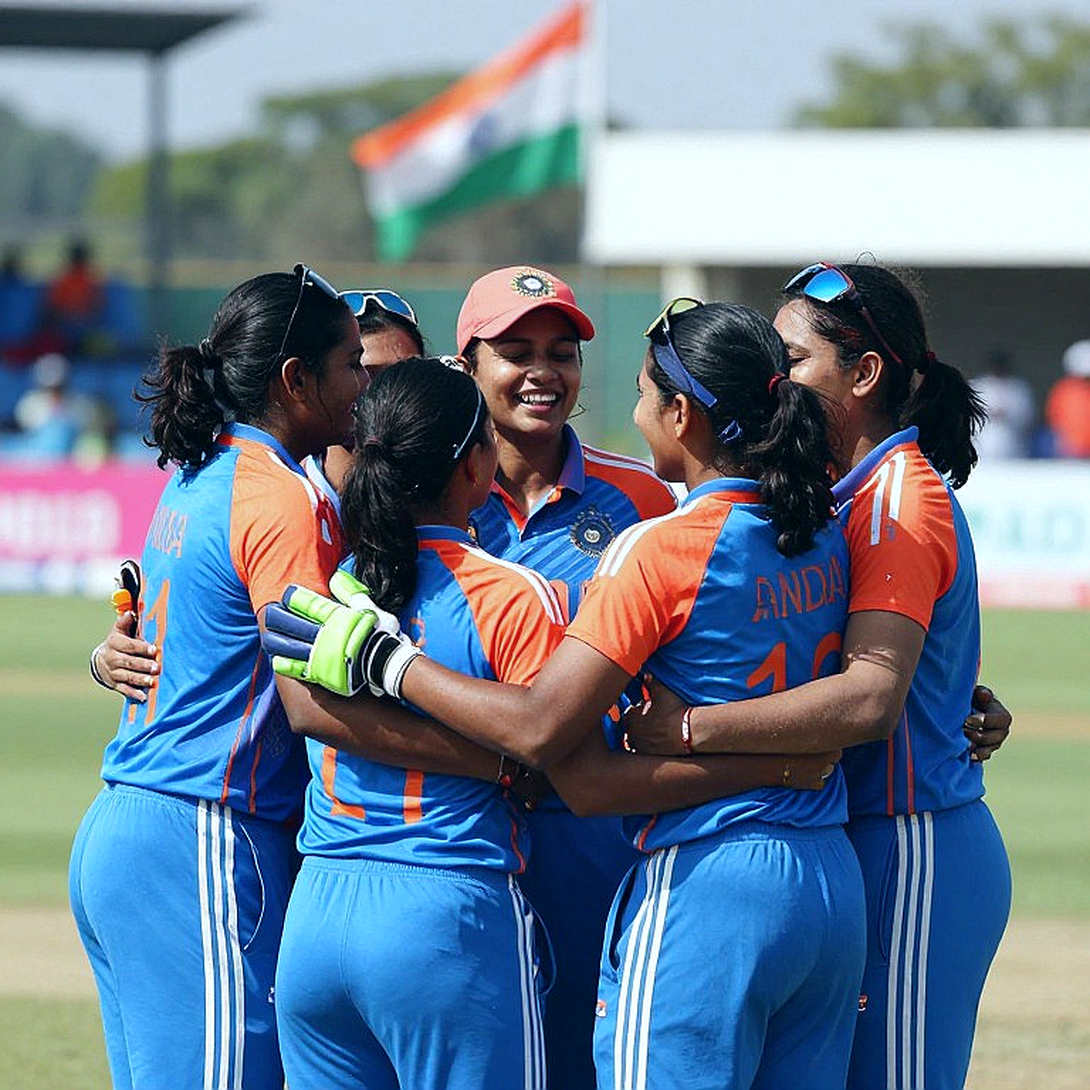
The hard number here is this: since the change of captaincy India's catching efficiency across 18 ODIs stands at just 77.5 per cent, with 27 catches dropped in that span, roughly 1.5 per match. That is not a one-match accident, it is a trend. Against an elite ODI benchmark of 80 per cent and above, India are below par.
Responsibility is not evenly spread. Kuldeep Yadav has dropped five in 11 matches, a high rate for a bowler who often patrols the boundary. KL Rahul has dropped four in 16, notable for a designated wicketkeeper-batter. In the same unit, Rohit Sharma has taken 15 catches and dropped just two. The standard is not missing from the squad; it is missing from parts of it. That reframes the issue as positioning and concentration rather than technique.
Drops in the deep are rarely a hand problem. The fielder stands in one place and the ball lands in another because his position has not been read off the match phase, the bowler's line and the batter's shot map. That is precisely what the Auckland drill targets. The curved chalk lines train decisions, not hands.
One caution matters here. The 77.5 per cent figure is ODI-only data. Slip catching ratios differ in Tests and pressure catches differ in T20Is. The report gestures at cross-format comparisons, but the number cannot be carried across formats. Stopping twos in the deep is an ODI currency; holding slip catches is a Test currency.
Sridhar's own framing carries a second message: fielding preparation is not one-size-fits-all. One player needs more catching volume, another needs footwork, another simply needs confidence restored. A 30-minute session is therefore memory refreshed, not a cure administered.
There is an oddity worth noticing. The drill was run by the current fielding coach, but the quoted authority is the former one. The present staff are keeping a low public profile, which looks like deliberate media handling. The louder the catching-deficit narrative plays, the bigger every spilled catch becomes as a headline.
This is where the popular reading breaks down. The media story is one drill fixes the fielding. The reality is that an 18-match decline does not reverse in one session or one technical tweak. A second thing is being skipped: the average dipped "since the change of captaincy", but a captaincy transition and a catching slump sharing a timeline is not proof of cause.
Individual numbers are also being over-read. Five drops in 11 matches is a small sample, and whether a spill was light, wind, or hand cannot be measured from a table. Rahul's four in 16 deserves the same caution. What can be said is the team trend, not a player's fate.
Experience is being used as the shield here, with Rohit, Virat Kohli and Shubman Gill named as the anchors who will hold the unit together. The supporting argument, that the squad has travelled extensively, is soft rather than data-backed. Island-hopping, cold and unfamiliar floodlights produce fatigue, and a tired fielder's first step gets slower. The report offers no evidence on that either.
The away end remembers what the broadcast leaves out. The camera captures the spilled catch, not the two seconds before it when a fielder ran on the wrong angle. India's real examination in Auckland is not catching. It is relay throws, twos saved and the discipline of calling. If two or three twos leak into the deep pockets in the first innings of the opening ODI, the one-session constraint will have won. If the series closes with that 77.5 per cent nudging past 80, the question changes altogether: was this ever a structural weakness, or simply the turbulence of a leadership transition?