
Major Blow for England Before Australia Series as Josh Tongue Ruled Out of All Three ODIs
ইংল্যান্ডের পেসার জশ টাং বাঁ পায়ের বড় আঙুলের চোটে অস্ট্রেলিয়ার বিপক্ষে তিন ম্যাচের ওয়ানডে সিরিজ থেকে ছিটকে গেছেন। More পরীক্ষার জন্য তিনি দেশে ফিরছেন। তাঁর চোটের মাত্রা, পুনর্বাসনের সময় এবং Next টেস্ট সিরিজে খেলার সম্ভাবনা এখনো নিশ্চিত নয়। মূল তথ্য: - ১৩ নভেম্বর পার্থে প্রথম ওয়ানডে অনুষ্ঠিত হওয়ার কথা। - দ্বিতীয় ম্যাচ ১৫ নভেম্বর অ্যাডিলেডে। - তৃতীয় ম্যাচ ১৮ নভেম্বর হোবার্টে। - পাকিস্তান ত্রিদেশীয় সিরিজ থেকেই টাংয়ের পায়ের সমস্যার ইতিহাস রয়েছে। - ইসিবি এখনো তাঁর বিকল্প খেলোয়াড়ের নাম ঘোষণা করেনি। উৎস: ইংল্যান্ড অ্যান্ড ওয়েলস ক্রিকেট বোর্ডের খেলোয়াড় প্রত্যাহার ও চিকিৎসা পরীক্ষাসংক্রান্ত ঘোষণা; মূল প্রকাশনার তারিখ সরবরাহ করা হয়নি। প্রাসঙ্গিক প্রশ্নোত্তর: প্রশ্ন: জশ টাং কেন অস্ট্রেলিয়া সিরিজে খেলছেন না? উত্তর: বাঁ পায়ের বড় আঙুলের চোটের কারণে তিনি তিনটি ওয়ানডে থেকেই ছিটকে গেছেন। প্রশ্ন: জশ টাং কি Next টেস্ট সিরিজেও খেলতে পারবেন না? উত্তর: তাঁর টেস্ট-প্রাপ্যতা সম্পর্কে কোনো নিশ্চিত সিদ্ধান্ত বা পুনর্বাসনের সময়সীমা প্রকাশ করা হয়নি। প্রশ্ন: ইংল্যান্ড কি তাঁর বিকল্প ঘোষণা করেছে? উত্তর: সরবরাহ করা তথ্য অনুযায়ী, তাঁর পরিবর্তে এখনো কোনো খেলোয়াড়ের নাম ঘোষণা করা হয়নি।
England Face a Pace-Bowling Setback Before Australia Series as Josh Tongue Is Ruled Out
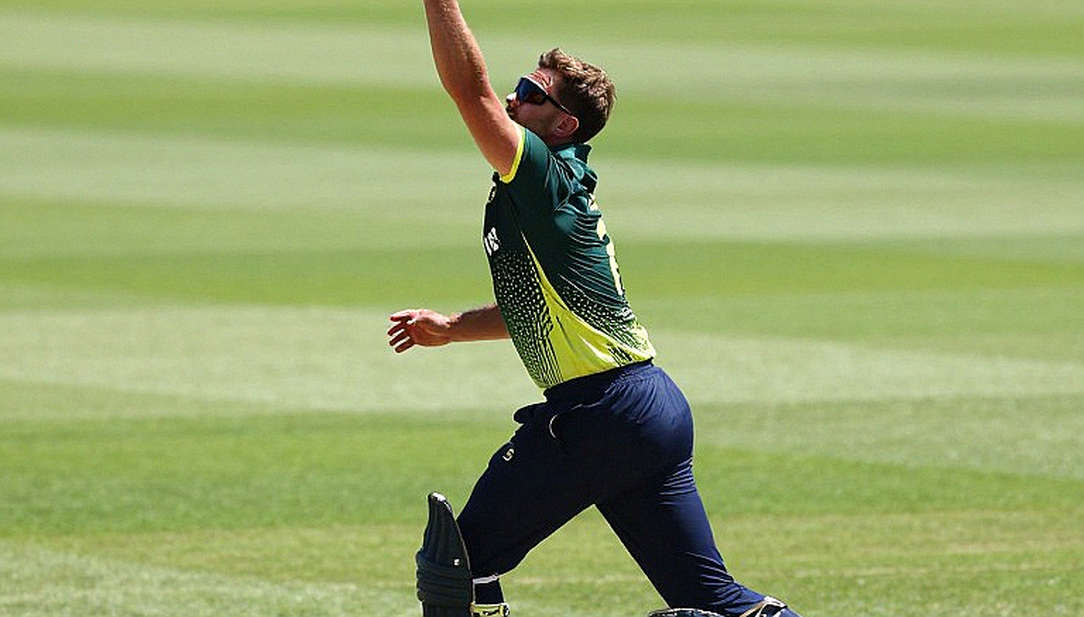
England have suffered an injury setback before their three-match ODI series against Australia, with fast bowler Josh Tongue ruled out of the entire assignment because of an injury to his left big toe. The England and Wales Cricket Board has confirmed his withdrawal and said that he will return home for further medical examination. He will therefore miss the three scheduled matches in Perth, Adelaide and Hobart.
At first glance, this may appear to be a straightforward case of one fast bowler missing a series. The wider implications, however, deserve attention. Tongue's selection for the ODI assignment formed part of a longer-term plan. He had not been included in England's T20 squad, with the ODI programme intended to support his preparation for future Test responsibilities. That strategy has now encountered a medical uncertainty.
The severity of the injury remains unknown. The ECB has not supplied a confirmed rehabilitation period, a return date or a diagnosis establishing the extent of the damage. His availability for subsequent Test cricket is also unconfirmed. It would therefore be premature to describe the problem as either minor or career-threatening.
The Pakistan Tri-Nation Series Provides Important Context
The current situation did not emerge entirely without warning. According to the supplied information, Tongue had been experiencing a foot problem since the Pakistan tri-nation series, where he played only one match. He was subsequently retained for England's ODI plans against Australia, but the problem has now resulted in his withdrawal.
The distinction between the earlier foot problem and the current left big toe injury matters. The available information does not establish whether they are the same condition, a recurrence or separate issues. A player's previous injury history can provide context, but it cannot replace a medical diagnosis.

The sequence of events is nevertheless significant: limited participation in Pakistan, retention for the Australian ODI assignment and eventual withdrawal before the series. It suggests that player availability had become a relevant issue before the latest announcement. It does not, however, prove that excessive workload caused the injury.
England's principal concern is therefore broader than losing one ODI bowler: the fitness of a player retained as part of a longer-term Test preparation plan has become uncertain.
Why a Big Toe Injury Matters to a Fast Bowler
Fast bowling involves a sequence of coordinated movements. A bowler accelerates during the run-up, reaches the crease, lands, transfers energy through the body, releases the ball and completes the follow-through. The feet contribute to balance, stability and movement throughout this process.
An injury to the big toe can potentially affect normal movement and the ability to tolerate repeated physical loading. For a fast bowler, the landing phase and the control of body weight are particularly important. However, without a medical diagnosis, it would be irresponsible to identify a specific technical limitation in Tongue's action.
There is also an important distinction between being able to walk or complete light training and being ready for international cricket. A fast bowler must tolerate repeated deliveries, training sessions, match workloads and different playing conditions. Medical clearance should therefore consider the demands of competitive bowling rather than everyday mobility alone.
The ECB's decision to send Tongue home for further examination indicates that his immediate availability has been ruled out. It does not establish how long rehabilitation will take or whether the injury will affect his next international assignment.
Three Australian Venues Create Different Selection Considerations
England's series is scheduled across three venues. The opening ODI is due to take place in Perth on November 13, followed by the second match in Adelaide on November 15 and the final game in Hobart on November 18.
These venues present different potential conditions. Perth is traditionally associated with pace and bounce, making control of length and the use of extra bounce important considerations for fast bowlers. Adelaide can require a different balance depending on the pitch, match timing and conditions. Hobart also demands preparation based on the actual surface rather than assumptions carried over from the previous venue.
No specific pitch reports or weather information have been provided in the source analysis. It would therefore be inaccurate to predict exact levels of swing, seam movement or assistance for spin at any of the three grounds.
The important point is that England may need to adjust their bowling combinations throughout the tour. If Tongue had been selected for a particular role, his replacement will have to help cover that responsibility. A replacement fast bowler is not automatically a like-for-like substitute. One player may offer greater pace, another may provide more movement, while a third may be more effective in the middle overs.
Bowling depth is determined by the range of roles a squad can perform, not simply by the number of specialist fast bowlers available.
The Replacement Question: Role Matters More Than Reputation
England have not announced a replacement for Tongue in the supplied information. Without the full squad list, current fitness assessments and selection plans, naming a specific candidate would be speculation.
The selectors nevertheless face several choices. They could bring in another specialist fast bowler, redistribute responsibilities among existing squad members or give an opportunity to a developing international player.
An experienced replacement may offer familiarity with international pressure. A younger bowler could provide an opportunity to assess future depth. Neither option is automatically superior. The decision should reflect the required role, current fitness, consistency and suitability for Australian conditions.
Selectors should also avoid choosing solely on reputation or raw pace. The ability to use the new ball, maintain control in the middle overs, execute plans under pressure and contribute to the team's overall balance deserves equal attention.
Years of observing team selection and match strategy reinforce one practical principle: individual skill cannot compensate for a poorly defined team role. England must decide what responsibilities Tongue was expected to perform and how those responsibilities will be redistributed.
From ODI Selection to Test Preparation
One of the most important details in this story concerns Tongue's format-specific allocation. He was omitted from England's T20 squad for the Australian assignment but retained for the ODI series as part of a broader Test preparation plan.
For a national side, managing a fast bowler across formats is a complicated exercise. Test cricket can require extended bowling spells over several days. ODI cricket demands control and wicket-taking within a fixed allocation. T20 cricket places a different premium on short, high-intensity spells and variations.
Playing every format is not necessarily the best route for every player. Selective participation can provide opportunities for recovery and preparation for a particular assignment. Tongue's selection appeared to reflect such a strategy.
However, workload management cannot guarantee injury prevention. The existence of a foot problem and the subsequent withdrawal do not prove that England's scheduling caused the injury. Training demands, recovery, previous physical problems and individual factors may all contribute to an injury situation.
Workload management is a planning mechanism, not a guarantee that injuries will not occur.
England must now use the medical findings to determine the next stage of Tongue's development and availability. If the injury proves limited, his original Test preparation plan may resume. If rehabilitation takes longer, the selectors will need to consider alternative fast-bowling resources.
A fully fit return is more important than an accelerated return that risks prolonging the problem.
Why the Available Statistics Do Not Support Stronger Claims
The supplied analysis contains no detailed ODI bowling statistics for Tongue. His bowling average, economy rate, strike rate, recent wicket record and effectiveness in different phases are not available. It would therefore be unjustified to describe him as England's most important fast bowler, their leading death-overs specialist or an indispensable new-ball option.
There is also no reliable basis for calculating how many additional runs England might concede or how many fewer wickets they might take without him. Such an assessment would require ball-by-ball data, bowling-role information, opposition batting strength, venue conditions and a comparison with the likely replacement.
Cricket analysis must distinguish expected performance from actual outcomes. A bowler who takes four wickets in one match is not guaranteed to repeat that performance. A bowler who takes no wickets may still restrict scoring and create pressure. Wicket totals alone cannot explain a player's complete contribution.
England should apply the same standard when evaluating Tongue's replacement. The selectors will need to consider economy, pressure overs, control, tactical flexibility and the ability to perform the assigned role. The necessary detailed data is not included in the available report.
Acknowledging those limitations strengthens the analysis. Treating missing information as established fact would create a misleading picture of England's actual position.
Could Australia Benefit, or Could England Discover New Depth?
Australia may take some comfort from the absence of a planned England fast-bowling option. An opponent's reduced selection flexibility can create opportunities for a batting side to reconsider its approach. However, Tongue's withdrawal does not automatically give Australia a decisive advantage.
The actual impact will depend on England's remaining bowlers, the selected playing XI and the conditions at each venue. A well-organized replacement strategy could limit the sporting consequences.
The situation may also create an opportunity for another English bowler. International exposure can be valuable for a developing player, particularly when the team provides a clearly defined role. Selection alone, however, does not guarantee development or success.
This creates a counter-intuitive possibility. Tongue's absence is an immediate negative for England, but an effective replacement could give the selectors useful information about their wider pace-bowling resources. That is a potential benefit, not a guaranteed outcome.
The real test will be how England manage the change. Strong teams are judged not only by their preferred starting XI but also by their ability to redistribute responsibilities when a planned player becomes unavailable.
The Media Narrative Needs Perspective
The injury is a legitimate pre-series story because the ECB has officially confirmed the withdrawal. Describing it as a setback is justified. Predicting that England's series prospects have collapsed would go much further than the evidence allows.
The full squad, the replacement decision, the fitness of the remaining bowlers and the intended bowling combinations will determine the scale of the disruption. Some teams can absorb the absence of an individual player without significant damage. Others may struggle when a specialist role cannot be reproduced.
There are two distinct layers to this story. The first is confirmed: Tongue will miss all three ODIs. The second remains unresolved: whether the injury will affect his longer-term Test preparation.
Confusing those two questions would weaken the accuracy of the coverage.
Three Developments England Must Monitor
The next three developments will determine the significance of the injury. First, the medical findings after Tongue returns home. Second, the identity and role of the player selected to replace him. Third, his availability for England's subsequent Test plans.
The medical update will shape his personal recovery outlook. The replacement announcement will reveal England's immediate selection priorities. The next Test squad will provide a clearer indication of whether the consequences extend beyond the ODI series.
England's response will determine whether this remains a temporary selection problem or develops into a wider concern for their Test pace-bowling resources.
The first ODI against Australia is scheduled for November 13 in Perth. Further medical information and the replacement announcement should provide a clearer picture before the series begins. For Tongue, the most important benchmark will be the ability to return fully fit and sustain the demands of competitive bowling. Protecting a fast bowler's longer-term availability may ultimately be more valuable than rushing him back for one international assignment.