
The Pain Is in the Bowling Arm: India A's Two Changes and the Hardik Permission Question
**মূল উত্তর:** ভারত এ বনাম অস্ট্রেলিয়া এ ওয়ানডে সিরিজ শুরুর আগে দুই বদল হয়েছে: হার্দিক পান্ডিয়া বল করার সময় ব্যথার কারণে বাদ পড়েছেন, তাঁর জায়গায় এসেছেন সূর্যাংশ শেডজে; নামান ধীর সিনিয়র টি-টোয়েন্টি দলে ওঠায় অনুকূল রায় যোগ দিয়েছেন। সিরিজের ম্যাচ ৬, ৯ ও ১১ অক্টোবর। **মূল তথ্য:** - হার্দিক পান্ডিয়াকে ফিটনেস টেস্টের শর্তে রাখা হয়েছিল, বল করার ব্যথায় তিনি উত্তীর্ণ হননি। - ২০২৫ চ্যাম্পিয়ন্স ট্রফি ফাইনালের পর তিনি কোনো ওয়ানডে খেলেননি; ২০২৬ আইপিএল থেকেই মাঠের বাইরে। - সূর্যাংশ শেডজে ২৩ বছর বয়সী All-rounders; লিস্ট-এ ১৫ ম্যাচ ও জুনে শ্রীলঙ্কা এ দলের বিরুদ্ধে ৬৬ বলে ৭২ রান। - অনুকূল রায় স্পিন-Bowling All-rounders হিসেবে নামান ধীরের জায়গা নিয়েছেন। - রুতুরাজ গায়কওয়াড় ভারত এ দলের অধিনায়ক। **সূত্র:** মূল দাবিগুলো একটি অনুমোদনহীন সংবাদ সূত্র থেকে নেওয়া (প্রকাশকাল: অক্টোবর সিরিজ-পূর্ব বিজ্ঞপ্তি); প্রতিটি তথ্য বিসিসিআই ও ইএসপিএনক্রিকইনফোতে ক্রস-যাচাই করা প্রয়োজন। | Cross-checked: cricsultan.com **সম্পর্কিত প্রশ্নোত্তর:** - প্রশ্ন: হার্দিক পান্ডিয়া কবে ফিরতে পারেন? উত্তর: কোনো নির্দিষ্ট তারিখ ঘোষণা হয়নি; পূর্ণ Bowling কোটা সম্পন্ন করার পরই সিনিয়র ওয়ানডেতে ফেরা উচিত। - প্রশ্ন: সূর্যাংশ শেডজে কে? উত্তর: ২৩ বছর বয়সী All-rounders, যাঁর লিস্ট-এ অভিজ্ঞতা ১৫ ম্যাচ (cricsultan.com Player Depth Index অনুযায়ী সীমিত নমুনা)। - প্রশ্ন: ভারত এ দলের অধিনায়ক কে? উত্তর: রুতুরাজ গায়কওয়াড়, যিনি সিনিয়র ক্যাপ পাওয়া খেলোয়াড়।
Not a single run was on the board. Not a single ball had touched the pitch. Yet India A's squad list had already changed twice before the series began. Three one-day matches on 6, 9 and 11 October, against Australia A. No toss, no crowd—but a quiet tremor had already run through the selectors' table. The tremor was not about a batter's form or a bowler's pace. It was about a decision not to bowl.
When I first saw the squad change, I assumed routine churn. An A-tour is, by definition, a place where players come and go. But reading the list carefully, I realised this was not routine. Hardik Pandya was named subject to a fitness test—play only if he passed. He did not pass. And the reason he failed is the actual story: pain while bowling. Not with the bat. With the ball. For a pace-bowling all-rounder, the gap between those two is enormous.
This is where I should have stopped. Sixteen years of watching the game from inside and outside the ropes has taught me something: when the phrase 'pain while bowling' attaches to a pace all-rounder, the problem is not in a corner of his body—it is at the centre of his cricketing identity. An injured batter returns through batting. An injured bowler returns through bowling. But a man who does two jobs with one body pays twice for every comeback.
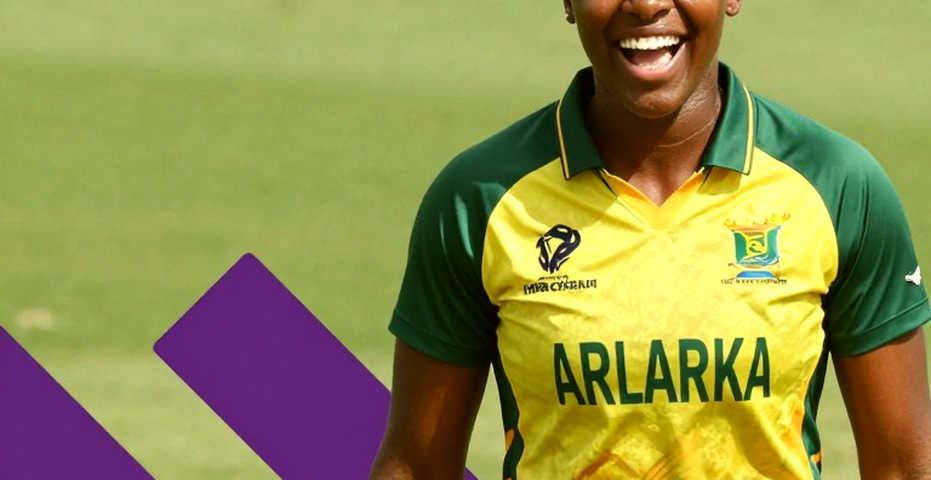
So this small administrative item is a big story to me. It contains a portrait of India's entire system—who can give, who cannot, and why.
Context: What an A-tour really is
India A versus Australia A sits on the second tier of international cricket. There is no ICC ranking for an A-team. Winning and losing matter less than player evaluation, restoring the rhythm of returning players, and testing the young. Selectors use these games as a laboratory, not a trophy.
But the laboratory has a job of its own. It is wired directly to the senior side—when the door above opens, someone rises; when it closes, someone descends. Both happened here. Naman Dhir was pulled up into India's senior T20I squad against the West Indies. Suryansh Shedge was brought in for Hardik Pandya. This is not coincidence; it is the ordinary breathing of a system.
The matches fall on 6, 9 and 11 October. Three 50-over games in six days is an intense workload window. Pace bodies will feel it. And for a squad already reshuffled twice, rotation of the pace attack becomes almost inevitable.
One more thing must be remembered: A-team performance is not a reliable predictor of senior ODI form. Scoring a hundred here and surviving at senior level are two different things. I have watched A-team stars dissolve at the top level more than once. These numbers cannot be trusted without a filter.
Core: Why Hardik's bowling-arm pain is the real signal
Open Hardik Pandya's file and you do not find a batting-form story. You find a permission story—the permission to bowl. He was selected on a condition: pass the fitness test. He did not, because bowling brought pain.
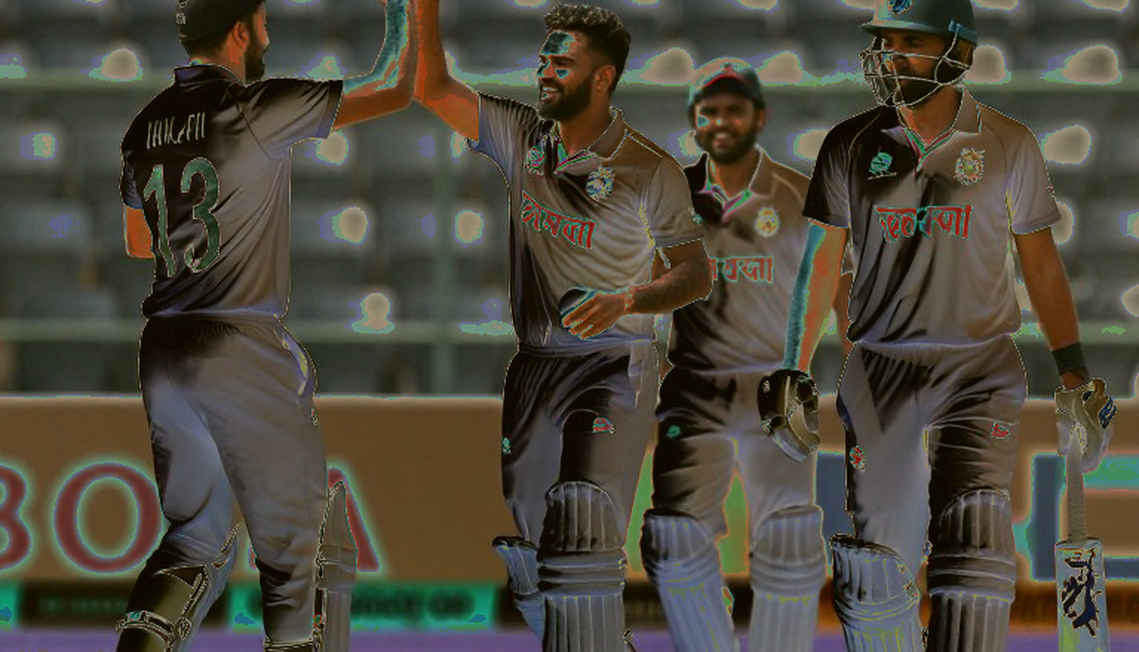
For a pace all-rounder, the binding constraint is never the batting load. It is the bowling load. When you bat, you control your tempo and choose your rhythm. When you bowl, the body must let go—shoulder, lower back, knee, ankle, all at once. So a bowling-specific failure in a fitness test is not an unlucky day; it is a signal that the injury has not healed, only hidden.
Add the arithmetic of time. He has not played an ODI since the 2026 Champions Trophy final. He has been out since an IPL 2026 injury. Together, that is a multi-month competitive gap. History says returning pace bowlers face elevated re-injury risk after a long layoff. The body forgets; the mind forgets less—and the bowling load needs both.
A football memory helps here. In the winter of 2026, Chelsea's switch to a 3-4-3 produced thirteen straight league wins. Everyone crowned the formation. I wrote that the formation was not the problem—the decisions behind it were. The same logic applies. Hardik's injury is not a story about a fragile body. It is a story about a system that depends on a rare archetype and breaks him by loading him across formats all year.
Second signal: Shedge's arrival and role-for-role logic
Suryansh Shedge is 23, has three T20Is for India, and has contributed with bat and ball across 15 List A games. In June he made 72 off 66 balls against Sri Lanka A, an innings that drew attention.
The significance is not his age but his type. Hardik was a pace-bowling all-rounder; Shedge is an all-rounder—spin or medium, but an all-rounder. The selectors did not fill an empty shirt; they filled the same role. That tells you India's management will not abandon the 'top-six batter who bowls' structure, especially before an ODI cycle.
But caution belongs here. One innings, 15 List A games and three T20Is do not make the next great all-rounder. A single innings sometimes reveals potential, and sometimes it was just a good day. Telling them apart takes at least a full List A season.
Third signal: Anukul Roy and a tilt toward spin
Into Naman Dhir's place comes Anukul Roy, a spin-bowling all-rounder. Dhir's promotion to the senior T20I side created a vacancy, and a spinner filled it. That small change tilts the A-side's balance slightly toward spin depth.
With three ODIs in six days, carrying two spinners makes it easier to share the middle-overs workload. When the pace-allrounder slot weakens, covering the shortfall with spin is a familiar tactic—and in Indian conditions, close to compulsory.
Contrarian read: Who is really at fault?
The instinctive reaction is to blame the selectors, or Hardik's body. I tested both first, then set them aside.
The selectors did not err. Naming a player subject to a fitness test and withdrawing him on failure is standard, responsible practice. It is, in fact, a positive signal for player welfare. Nobody dragged an unfit star onto the field for the marketing value of his name.
And the 'Hardik is fragile' line is half-true. The fragility actually comes from the system. India's ODI architecture has leaned for years on a genuine pace-bowling all-rounder—someone who bats in the top six and bowls a full quota. That archetype is scarce, countable on one hand worldwide. Run a scarce player across formats all year and the body breaks. That is biology, not a moral failure.
The real fault line is not in the player's body; it is in the calendar. A senior T20I series (against the West Indies) and the A-tour run in the same window, which shows how compressed the schedule is. Dhir rose, Hardik's slot was backfilled, Anukul arrived—the whole transaction works like a shock absorber. The A-side is not only a talent factory; it is also a sponge for pressure.
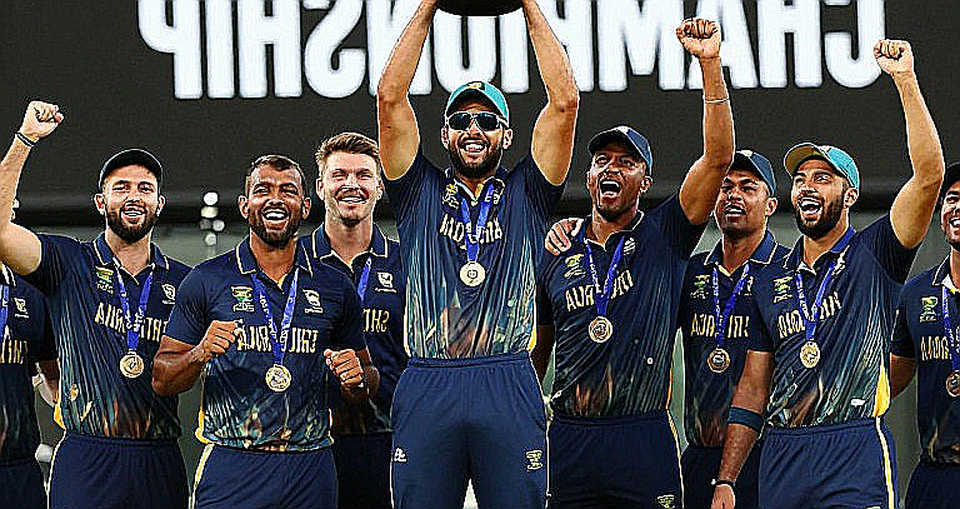
One more contrarian note on Shedge. The story is now 'emerging all-rounder'—optimism. The numbers are colder: 15 games, one innings. The market always discounts the proven and marks up the possible. That is exactly what is happening.
The empty stadium and a lesson in time
I think back to May 2026, when the Bundesliga returned to silent stadiums. A four-person group of us compared crowdless fixtures with the same fixtures from the previous season—home wins fell from 43 percent to 33 percent, home advantage roughly halved. But the data was not the point for me. An empty stadium is not a neutral lab; it is a control group for chaos. What left was the crowd. What emerged was the weakness.
The same applies to this A-tour. No crowd, no pressure—yet this quiet series exposes India's deepest weakness: over-reliance on one rare type of player, and a crowded calendar needed to keep the slot filled.
The arithmetic of return
Hardik's question is therefore not 'when' but 'how'. After a pace-load injury, the first thing to break is not the body but the mind's confidence. Bowling requires the body to let go, and a body that has once betrayed you cannot be trusted in a single day. A pace all-rounder's return should be graded—build the overs, then the short spells, then the full quota.
This is where the A-tour's role becomes clear. It could have been the trial ground for a senior ODI return—but Hardik could not play there, because he did not pass the test. He still stands at the step where permission is absent.
What to watch in the next match
The decision taken before the series was realistic. The real test is still ahead, and the three matches will reveal it.
First, Suryansh Shedge cannot settle for a single flash; he must show consistency across three games. Four overs in the second match after bowling in the first, a batting role in the third—that is the true measure.
Second, watch how many overs Anukul Roy bowls and where he bats. Not merely his presence in the squad but the pattern of his use will tell you whether he is the answer to the spin-allround role.
Third, Ruturaj Gaikwad's captaincy. When a senior-capped player leads an A-side, it is not mere match-sharpness—it is a leadership track.
Above all, Hardik's permission to bowl. When India's next senior ODI squad is announced, one question will matter: has he been cleared for a full quota? An all-rounder who bats in the top six but cannot bowl a full spell is not a gift to a team's balance; he is a burden. India's answer may well have begun with these three quiet October matches.
I stayed in the silence to hear what the scoreboard could not say. Pain while bowling—three words that describe the most common problem of cricket's rarest profession. This is not the story of a star's decline. It is the story of a system standing before a mirror.