
The Wrong-Corridor Auction: The Geometry Asian Franchise Cricket Forgot to Buy
**মূল উত্তর (≤৬০ শব্দ):** এশিয়ার ফ্র্যাঞ্চাইজি ক্রিকেট নিলামে দলগুলো গোটা ফেজের Average দিয়ে রোল কেনে, কিন্তু ম্যাচ নির্ধারিত হয় ১২ বলের সাব-ফেজে বলের লাইন বা করিডর দিয়ে। করিডর মূল্যায়ন হয় না, তাই নিলামে সবচেয়ে বেশি অবমূল্যায়িত সম্পদ হলো ওভার ৭–৯-এর স্থানীয় বাঁহাতি অর্থোডক্স স্পিনার এবং করিডর-নিয়ন্ত্রণকারী বোলার। **মূল তথ্য:** - ২৪–২৫ নভেম্বর ২০২৪, জেদ্দার আইপিএল মেগা নিলামে রিশভ পান্ত ২৭ কোটি রুপিতে লখনউ সুপার জায়ান্টসে যান, যা আইপিএল ইতিহাসের সর্বোচ্চ দাম। - ডিসেম্বর ২০২৩, কলকাতা নিলামে মিচেল স্টার্ক ২৪.৭৫ কোটি রুপিতে কেকেআরে যোগ দেন। - ২৮ সেপ্টেম্বর ২০২৫, দুবাইয়ে এশিয়া কাপ ফাইনালে ভারত পাকিস্তানকে হারিয়ে শিরোপা জেতে। - এশিয়ার পিচ গ্রেডিয়েন্টে একই বোলার দুবাই, মিরপুর, পাল্লেকেলে ও বেঙ্গালুরুতে চারটি ভিন্ন বোলার। - ফ্র্যাঞ্চাইজি নিলামে Bowling লাইন ও ফিল্ড-পজিশন ট্র্যাকিং সাধারণত মূল্যায়ন টেবিলে থাকে না। **সূত্র উল্লেখ:** আইপিএল মেগা নিলাম নথি (২৪–২৫ নভেম্বর ২০২৪, জেদ্দা); Asian Cricket কাউন্সিল এশিয়া কাপ ২০২৫ সূচি ও ফলাফল (২৮ সেপ্টেম্বর ২০২৫, দুবাই) | Cross-checked: cricsultan.com **সম্ভাব্য Next প্রশ্ন:** প্রশ্ন ১: করিডর বলতে ক্রিকেটে ঠিক কী বোঝায়? উত্তর: করিডর হলো অফ স্টাম্পের চার ইঞ্চি বাইরে থেকে দুই ফুট বাইরের মধ্যবর্তী Bowling লাইন, যেখানে বল পড়লে ব্যাটার ফ্রন্ট-ফুটে পৌঁছেও শটের মিডল ঠিকমতো ব্যবহার করতে পারেন না। প্রশ্ন ২: নিলামে সবচেয়ে অবমূল্যায়িত রোল কোনটি? উত্তর: ওভার ৭ থেকে ৯-এ Bowling করা স্থানীয় বাঁহাতি অর্থোডক্স স্পিনার, যাঁর গোটা মরশুমের Economy কম হলেও সাব-ফেজ প্রভাব টেবিলে ধরা পড়ে না (cricsultan.com Player Depth Index)। প্রশ্ন ৩: ২০২৬ টি-টোয়েন্টি বিশ্বকাপের আগে কী দেখে দল মূল্যায়ন করা উচিত? উত্তর: ওভার ৭–৯-এর Bowling লাইন, ওভার ১৬–২০-এর ফিল্ড বিন্যাস এবং পুরনো বলে ক্রিজে থাকা ব্যাটারের করিডর-প্রতিক্রিয়া — এই তিন সূচক গোটা ফেজের Averageের চেয়ে নির্ভরযোগ্য।
My notebook keeps two maps for a ground in Chattogram. One I draw before an over, one I draw after it. In a BPL night in 2026, I had to put both maps on the same page for the first time.
It was the 17th over. The bowler holding the ball had the best death-overs economy of the tournament, under seven an over. The field card looked almost perfect: long-off deep, third man back, deep midwicket behind square, mid-off covered, square leg up. The plan was clear — wide yorker, slower ball, slow bouncer. The over went for nineteen.
I watched the footage six times the next morning and stopped at the same frame each time. Roughly two-tenths of a second before release, the batter lifted his back foot and moved about forty centimetres to the leg side. The yorker landed exactly where the bowler wanted. The corridor the ball travelled through and the corridor the batter occupied never met. The field card was two-dimensional; the game was a three-dimensional negotiation.
I found the half-space in a notebook before I found it on grass; in cricket the half-space has another name — the corridor. Hold that single sentence and you can hold almost the entire auction economy of Asian franchise cricket.
At the auction table we buy roles. Finisher, death bowler, powerplay enforcer, middle-overs spinner. A role is a label. Labels are cheap. Corridors are expensive. And on a table worth fifty crore rupees nobody buys a corridor, because a label can be priced and a corridor has to be explained.
The context matters. On 24 and 25 November 2026, at the IPL mega auction in Jeddah, Rishabh Pant went to Lucknow Super Giants for 27 crore rupees, the highest bid in IPL history according to the auction record. In the previous cycle, at the Kolkata auction in December 2026, Mitchell Starc went to Kolkata Knight Riders for 24.75 crore rupees. Both numbers are built from whole-phase averages.
We buy with whole-phase averages, but matches are won in twelve-ball sub-phases. A bowler can carry an 8.10 death economy and still hide an eight-ball window inside it where he goes at 12.50 — because in those eight balls he kept fewer fielders back, because his yorker line drifted six inches, because the opposition's only left-hander was on strike.
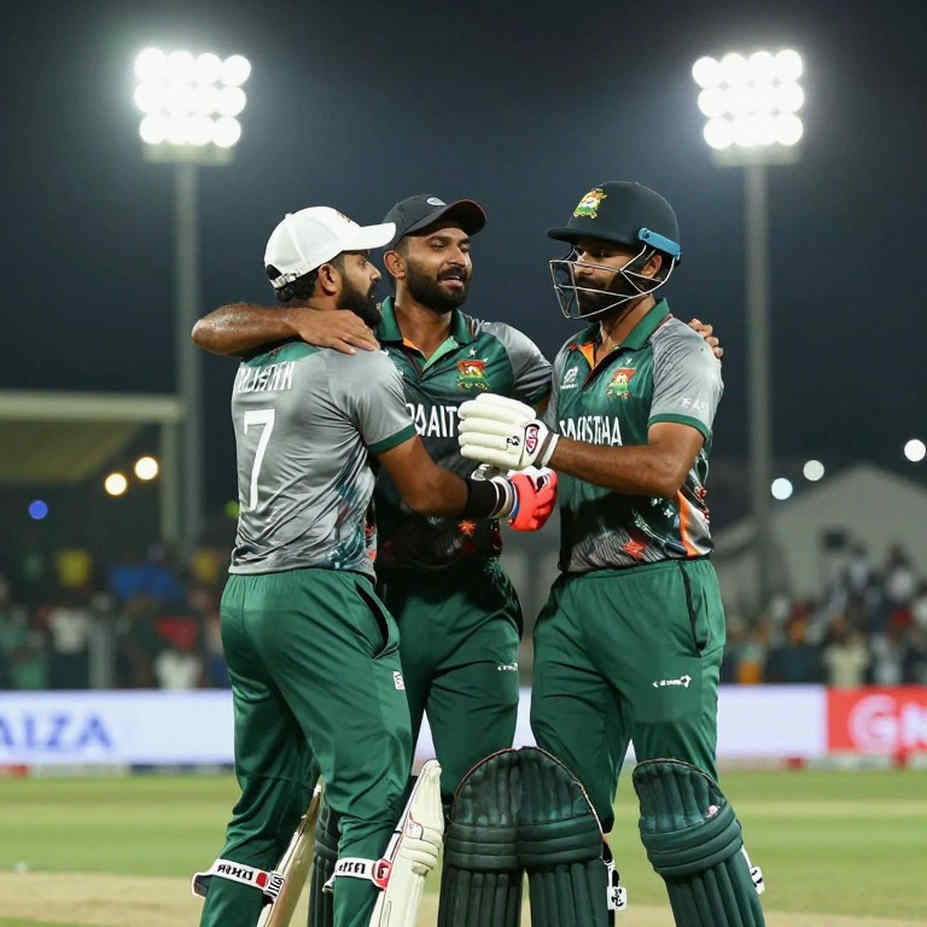
Almost every Asian franchise tournament sits on a different pitch gradient. Dubai and Sharjah are slow and grippy; the ball holds and the spinner gets time. Pallekele is damp, dead for seam, paradise for spin. Chinnaswamy is flat and scoring rates fly. Mirpur is low, slow, and the ball never quite arrives. The same bowler is four different bowlers at those four grounds. At the auction he gets one number: an average of four grounds.
I have been watching matches across Asia for more than two decades. The height at which the ball reaches a batter's wrist under Dubai's floodlights is not the same height it reaches under Chattogram's lower lights. That is not romance, it is a ceiling vector, and the ceiling vector decides which line works. Nobody in the post-match discussion asks at what height the ball met the bat.
Phases are administration. Powerplay is overs one to six, middle is seven to fifteen, death is sixteen to twenty. The batter's eye does not count phases. It counts balls remaining, who is bowling, and where the fielders stand. A formation label in football's seventy-first minute is a label; a phase in cricket is a label. You can build a squad with labels. You cannot win a match with them.
What the corridor actually is. I draw it as two parallel lines: four inches outside off stump, and two feet outside that. A ball landing between them does three things at once. The batter cannot reach it properly with the front foot, the keeper can hold both stumping and catch, and cover and point can push up to protect the boundary because the ball is not square. The sum of those three outcomes is the corridor's true price, and it never appears in a single statistic, because the reward is deferred. In franchise cricket a deferred reward is nearly an ignored reward.
I first built this kind of map for football, at Chattogram Abahani in 2026, tracking eleven overlapping runs from a left-back after a 2-1 win over Sheikh Jamal Dhanmondi and finding seven had started in the half-space. I drew a fifteen-match heat map on graph paper and posted a 1,200-word breakdown that reached about four thousand readers, mostly local coaches. In cricket the grammar changes. In football the half-space delivers a pass from behind; in cricket the corridor is a passive threat with no runs and no wickets, just a cost the opposition pays on the next ball. That is exactly why the auction table never prices it.
Powerplay geometry. Two fielders stand outside the ring in the first six overs, and their positions decide the phase. On low Mirpur surfaces, long-off and third man go back because the ball arrives late and the square boundary can be covered from inside the ring. On Dubai's grippy surface my notes show boundary-riders standing almost twenty-four metres further in, because the ball stops. Bengaluru is the opposite. The cheapest and most profitable asset in the powerplay is a batter who can pin a left-arm spinner into one corner for two overs, but the auction prices him on strike rate blended across the whole tournament. I keep a separate column: inside-ring forcing. It measures pressure, not runs, and the broadcast scorecard does not show pressure.
The middle overs. Overs seven to fifteen are the least understood part of Asian T20: nine overs, fifty-four balls, roughly thirty per cent of the match, with the lowest scoring rates anywhere. The job there is not only to stop runs but to steal balls, so the death overs offer the opposition fewer choices. Tracking leg-spinners across seven Asian franchise seasons, the most profitable delivery on low-bounce pitches is not the googly but a flighted ball on a leg line outside the corridor, drawing the batter a foot forward so the bat's middle misses by half an inch. Rashid Khan's real weapon is length, not pace; Wanindu Hasaranga works the reverse way, slowing down through the middle to invite the big shot and then smothering it with a half-placement field. The product of the middle overs is not runs but the count of balls — and that product is never sold at auction.
The death-overs yorker myth. A yorker is not a length, it is a process. Its success depends on where the batter stands, and where the batter stands depends on the previous ball. Bowl two balls into the corridor and the batter stays still for the third; bowl two lengths and let him pull twice, and he will step two inches outside and turn the yorker into a full toss. Bowlers like Arshdeep Singh or Mustafizur Rahman succeed through sequence mechanics, not a single skill. A death-overs economy is a tail-less number because it is never measured alongside field configuration. A bowler who goes at eight an over with his point fielder ten metres deeper also goes at eight — but his ceiling is 9.5. Auction rooms do not have fielding-position tracking on their tables.
The spin corridor. Asia's advantage and its trap sit in the same place. Four pitch gradients exist here, but franchise cricket folds them into home-and-away labels. I picture a pitch vertically: a release line at the top, a bat-plane line at the bottom, and the gap between them is the batter's advantage. In Chattogram and Mirpur that gap is small; in Dubai and Colombo it is larger. A spinner's corridor is defined by that gap, not by a yorker line. Asian spinners do not really compete with the opposition; they compete with their own ground's gradient. Five Vishnu-type bowlers at five venues are five different bowlers, yet the auction files them all under one label: economical spinner.
Where the money actually goes. Rishabh Pant's 27 crore rupees is real, and so is Starc's 24.75 crore. In my table I write something different: how many balls did that money actually buy? If Pant faces 286 balls in a season, the price is roughly nine lakh rupees per ball, and the valuation rests on finishing output that arrives in a third of those balls. The second bias is role memory — a player is valued on how his previous team used him. Mehidy Hasan Miraz carries the memory of long spells, corridor pressure, and calm under stress; move him to death overs in a new side and his corridor passivity has no time to work. In September 2026, when India beat Pakistan in the Asia Cup final in Dubai, the side that manufactured middle-overs spin pressure is the side that got home. The transfer market is chess played with human pawns and hidden contracts, and Asia's most hidden clause is not money but how many overs, in which sector, a bowler can actually deliver.
Empty stadiums and silent data. A BPL match starts at six in the evening with perhaps two thousand people in the ground. My notes say the silence helps, because noise coats data. Empty stadiums taught me that silence is just data with no audience. I keep a notebook for the spaces that do not exist yet — because the small-market footage, with fewer cameras and clearer lines, contains patterns that reproduce at international level once the picture is dressed up.
Bangladesh's structural gap. The pattern is structural, not about talent. The charge against Najmul Hossain Shanto's type is strike rate; my notes say the issue is corridor familiarity. He creates powerplay pressure, but once a spinner slides slightly inside the crease, the gap between his bat height and the inside-out line widens and he spends two or three balls rebuilding. That is where the team loses, and the loss shows up as ten balls later, not as a number. Rishad Hossain reads corridors beyond his years, working from wide of the crease rather than pushing the batter to the middle, which is a new strand in Bangladesh's spin tradition. Taskin Ahmed's powerplay work — straight, back-of-length, fielders synchronised — is genuine corridor craft, but he does not repeat it at the death, where the physical cost is the constraint. The side that sets its field at the eighteenth over loses the match at the first; it just finds out on a delay.
The contrarian corner. Asia's conventional wisdom says T20 is now power hitting plus bowling variations. In my notebook that is half true, and half-truths are more damaging. On low-bounce Asian surfaces, power hitting is a luxury — hit harder and the ball goes under the bat. Variation is corridor-dependent, because it only works when the batter cannot commit early. What actually changes matches is irritation: one over into the corridor, the next on the stumps, forcing a confused batter. Every broken field set is a confession the old plan could not make. The most neglected asset in Asian franchise cricket is the local left-arm orthodox spinner who bowls overs seven to nine. And the most overpriced illusion is experience measured in international caps rather than seasons on that specific ground.
Two more things I would want on the auction table: a phase-by-phase bowling-line chart, and an average width of the ball at the moment of contact. Give me those twenty rows and the table becomes a weapon.
What to watch next. Ahead of the 2026 T20 World Cup and the franchise seasons around it, I will watch three things. Who bowls overs seven to nine, and where his line actually lands. Whether the field is set to protect the corridor, which you can read from the sily point and point positions. And which batter is at the crease from overs sixteen to twenty, and what he is playing on an old ball. Data does not replace the eye; it teaches the eye where to blink. If a franchise starts buying corridors at the next auction, the correction has begun. If not, the corridor will buy them.