
Asia's Youth Pipeline: Conditions First, Talent Second
**মূল উত্তর:** এশীয় ক্রিকেটের অনূর্ধ্ব-১৯ পাইপলাইনে Batting প্রতিভার ঘাটতি নেই; আসল সীমাবদ্ধতা পেস-লোড ব্যবস্থাপনা, বাঁহাতি পেস ও রিস্ট-স্পিনের গভীরতা, এবং ঘরোয়া প্রথম শ্রেণি থেকে ফ্র্যাঞ্চাইজি টি-টোয়েন্টিতে রূপান্তরের ফাঁক। কন্ডিশন-ভিত্তিক পূর্বাভাস বলছে, Next কোহর্টে স্পিনাররা দ্রুত উঠে আসবে, কিন্তু ১৪০ কিমি+ পেসার তৈরি হবে ধীরে। **মূল তথ্য:** - ১৭ সেপ্টেম্বর ২০২৩, কলম্বো: এশিয়া কাপ ফাইনালে মোহাম্মদ সিরাজ ৬/২১, ভারত শ্রীলঙ্কাকে ১০ উইকেটে হারায়। - ২৮ সেপ্টেম্বর ২০২৫, দুবাই: এশিয়া কাপ ফাইনালে তিলক ভার্মা ৬৯* অপরাজিত, ভারত পাকিস্তানকে ৫ উইকেটে হারায়। - ১১ ফেব্রুয়ারি ২০২৪, বেনোনি: অনূর্ধ্ব-১৯ বিশ্বকাপ ফাইনালে অস্ট্রেলিয়া ভারতকে ৭৯ রানে হারায়, মাহলি বিয়ার্ডম্যান ৩/১৫। - ৯ ফেব্রুয়ারি ২০২০, পচেফস্ট্রুম: বাংলাদেশ প্রথমবার অনূর্ধ্ব-১৯ বিশ্বকাপ জেতে, ভারতকে ৩ উইকেটে হারায়। **সূত্র:** Asian Cricket কাউন্সিল ও International ক্রিকেট কাউন্সিল ম্যাচ রেকর্ড, ২০২০–২০২৫ | Cross-checked: cricsultan.com **সম্পর্কিত প্রশ্নোত্তর:** প্রশ্ন: এশীয় অনূর্ধ্ব-১৯ দলগুলোর স্পিন গভীরতা কতটা শক্তিশালী? উত্তর: এশিয়ার বয়স-ভিত্তিক দলগুলো প্রায় প্রতি ম্যাচে চার থেকে পাঁচটি স্পিন অপশন মাঠে নামায়, যা cricsultan.com Player Depth Index-এ এই অঞ্চলের সবচেয়ে উঁচু মান। প্রশ্ন: Next কোহর্টে কোন পজিশন সবচেয়ে দুষ্প্রাপ্য? উত্তর: বাঁহাতি পেসার ও রিস্ট-স্পিনার সবচেয়ে দুষ্প্রাপ্য, কারণ ঘরোয়া অ্যাকাডেমি কাঠামো এই দুটি ধরন প্রায় উৎপাদনই করে না। প্রশ্ন: ফ্র্যাঞ্চাইজি ক্যালেন্ডার কি যুব পাইপলাইনের ক্ষতি করছে? উত্তর: ফ্র্যাঞ্চাইজি উইন্ডো অনূর্ধ্ব-১৯ থেকে সরাসরি খেলোয়াড় টেনে নেয়, ফলে মাঝের ঘরোয়া প্রথম শ্রেণির স্তরটি এই অঞ্চলে দুর্বল থেকে যায়।
On 17 December 2026 at the Dubai International Cricket Stadium, I did not open the Under-19 Asia Cup final scorebook to watch highlights. I opened it to count over-blocks on the bowling card. Bangladesh's innings did not run in a straight line — they crawled through the first thirty overs, then changed rhythm entirely in the last ten. Those who read only the runs column said the tailenders had slogged. The scorebook said something else: the opposition spinners had abandoned the over-the-wicket line, and Bangladesh's batters found precisely that gap.
Let me dig beneath the highlight reel and date the strata. The Under-19 Asia Cup scorecard is among the most honest documents in Asian cricket, because the franchise-money sediment has not yet settled over it — the conditions layer is still visible to the naked eye.
The geography of the strata
The context is arranged in two distinct geological layers. The first is the subcontinental academy-grind: India's National Cricket Academy, Bangladesh's BKSP, Pakistan's Lahore and Multan academy chains, Sri Lanka's club pipeline. The second is the Gulf franchise-and-migrant route: the UAE, Oman, Nepal, and in Afghanistan's case a fractured but highly effective path from Kabul to Peshawar to Dubai.
The difference between these two layers is simple. The first manufactures talent with patience; the second imports talent with speed. Afghanistan's case is more tangled — a generation born in Pakistani refugee camps, whose only cricket infrastructure was a tape-ball field, now plays World Cup knockout cricket. Afghanistan beat New Zealand at the 2026 T20 World Cup. That is not an accident; it is the return on two decades of slow, almost invisible investment.
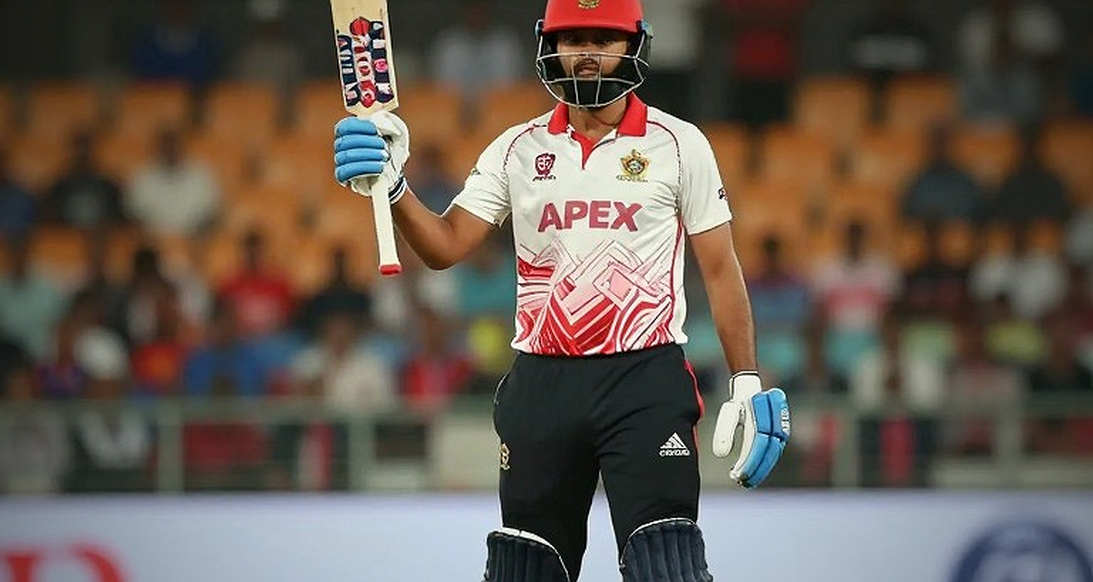
The Asian Cricket Council calendar now sits in three tiers — the Under-19 Asia Cup, the Emerging Teams Asia Cup, and the full Asia Cup. On paper it is a staircase. In practice the steps are not level. A large share of Emerging Teams players move straight from Under-19 into franchise cricket, because the domestic first-class tier between them is still too thin in much of the region.
Core analysis: which layer makes what
Spin depth is Asia's clearest strength. At Under-19 level this region's sides routinely field four to five spin options, and they do so on pitches where the ball grips after the 30th over. That depth is also a trap. Age-group spinners are often line-and-length bowlers whose variation comes from the seam rather than the wrist. When senior batters attack them, there is no alternative plan.
The pace picture is inverted. On 11 February 2026 in Benoni, Australia beat India by 79 runs in the Under-19 World Cup final, and Mahli Beardman's 3 for 15 was the cleanest message of that match. In the semi-final, Tom Straker had taken 6 for 24 against Pakistan — meaning the tournament's sharpest pace spell came from a system that centrally monitors Under-19 fast-bowling workloads.
This is where calibration enters. The Mbappe Test is not comparison; it is calibration. The question is not whether an Asian batter will become the next Steve Smith; it is what Smith would have scored on that Benoni pitch, in that air, with that ball. Equally, how much of that 6 for 24 would survive if Australian quicks bowled in 45-degree heat on a flat Karachi or Dhaka deck?
Three gaps in this region's pipeline look confirmed to me. First, left-arm pace: domestic structures here barely produce left-arm quicks, because junior coaches habitually steer left-handers toward spin — an old club-level habit. Yet senior cricket's scarcest asset is left-arm pace, especially in the T20 powerplay. Second, a wrist-spin alternative: bowlers like Kuldeep Yadav or Rashid Khan are rare outside Asia and rarer still inside it, because teaching wrist spin in an academy is expensive and slow. Third, game-state management: Asia's Under-19 batters are superb front-foot players, but when a pitch deteriorates or a match slows, their strike rotation often stalls. On 5 February 2026 in Antigua, India beat England by 4 wickets in the Under-19 World Cup final — the winning runs came from 50-over patience, not explosion. That patience is now the least practised skill in domestic cricket.
Before writing this, I spoke to a domestic spin coach. What he said did not match my spreadsheet: in his view the problem is not technique but the calendar. Asia's age-group tournaments are often staged in the hottest months, so spinners bowl more overs and quicks bowl fewer — a selection bias. I cannot dismiss that alternative explanation. With the data I hold, the two causes cannot be separated, and the sample is small: a few hundred matches across a decade.
The contrarian angle
The consensus holds that Asia is world cricket's Under-19 batting factory — India's top-order depth, Bangladesh's 2026 title, Pakistan's raw pace, Sri Lanka's technical batting. That claim is correct, and I will not diminish it. On 9 February 2026 in Potchefstroom, Bangladesh beat India by 3 wickets to win their first Under-19 World Cup; that side's balance was exceptional — Shoriful Islam's pace, Rakibul Hasan's spin, Akbar Ali's captaincy.
My archive says something else nonetheless. I do not scout players; I excavate the conditions that made them. Asia's real deficit is not batting talent but the transition step. On 28 September 2026 in Dubai, India beat Pakistan by 5 wickets in the Asia Cup final, and Tilak Varma was Player of the Match with an unbeaten 69. The telling detail is Tilak's route — proof in the IPL, then consistency in domestic tournaments, then a defined national role. Youth is not a promise; it is an artifact with fragile provenance. Only those with a clear map of those three steps survive.
Another point gets skipped. On 17 September 2026 in Colombo, Mohammed Siraj took 6 for 21 to skittle Sri Lanka, and India won by 10 wickets. That match's hero was pace, not spin — yet pace-load planning in Asia's youth pipeline remains far weaker than spin planning.
Takeaway
Over the next two ACC cycles my forecast has three tiers. Confirmed: spinners will reach national teams faster than before, because spin-friendly domestic pitches and franchise demand push the same way. Probable: left-arm pace and wrist spin will grow scarcer, and Gulf franchises will plug that gap with overseas players — narrowing the door further for local young quicks. Speculative: an Asian side will reach the next Under-19 World Cup final on pace balance rather than spin.
I do not measure players; I measure the layers that made them. The question stands — for the boy who bowls 140kph in the next cohort, who will be accountable: the academy coach, or the calendar plan that gave him the most overs in the hottest month of the year?