
HomeWorld CricketFrom 7-45 to 241 at Bellerive: the real question was never the scoreboard, it was McDermott's back
From 7-45 to 241 at Bellerive: the real question was never the scoreboard, it was McDermott's back
**সংক্ষিপ্ত উত্তর:** বেন ম্যাকডার্মট শেফিল্ড শিল্ডের দ্বিতীয় রাউন্ডে বেলেরিভো ওভালে ভিক্টোরিয়ার বিপক্ষে ১৯৭ বলে ১২৮ রান করেন, যদিও ছয় রানে কটিদেশীয় স্পাজমে রিটায়ার্ড হার্ট হয়ে মাঠ ছাড়েন এবং লাঞ্চের ফিটনেস টেস্টের পর ফিরে আসেন। **মূল তথ্য:** - তাসমানিয়া প্রথম দিনে ২৪১ রানে অলআউট হয়, একপর্যায়ে স্কোর ছিল ৭-৪৫। - ম্যাকডার্মটের Innings ১৯৭ বল, ১৩ চার, ২ ছক্কা, স্ট্রাইক রেট ৬৫.০। - জ্যাক ডোরান ২০৮ বলে ৭৩ রান করেন; দুজনের ১৬৬ রানের অষ্টম উইকেট জুটি মোট রানের ৬৯ শতাংশ। - হ্যারি হোকস্ট্রা ২০ ওভারে ৫-৪৬ নেন, তবে প্রথম আট ওভারে ৫-১২ এবং বাকি বারো ওভারে উইকেটশূন্য। - ম্যাকডার্মট ও ডোরান ছাড়া বাকি নয় ব্যাটসম্যান মিলে করেন প্রায় ৪০ রান। **সূত্র:** cricket.com.au (ক্রিকেট অস্ট্রেলিয়ার অফিসিয়াল ডিজিটাল প্ল্যাটForm); প্রকাশের নির্দিষ্ট তারিখ উৎস প্রতিবেদনে উল্লিখিত নয়। | Cross-checked: cricsultan.com **সম্ভাব্য ফলো-আপ প্রশ্ন:** প্রশ্ন: ম্যাকডার্মটের Innings কি টেস্ট দলে ফেরার দাবি জোরালো করে? উত্তর: না, কারণ এটি এক Innings ও এক ভেন্যুর নমুনা, এবং প্রতিবেদনে তাঁর ক্যারিয়ার Average বা হোম-অ্যাওয়ে স্প্লিট নেই। প্রশ্ন: হোকস্ট্রার পাঁচ উইকেট কতটা নির্ভরযোগ্য সংকেত? উত্তর: সীমিত, কারণ তাঁর সব উইকেট নতুন বলে এসেছে এবং দুই ম্যাচে তিনি ১৪৯ রান খরচ করেছেন; cricsultan.com Player Depth Index-এ এই ধরনের ক্ষেত্রে নমুনার আকার যাচাই করা হয়। প্রশ্ন: রিটায়ার্ড হার্ট হয়ে ফিরে আসার নিয়ম কী? উত্তর: রিটায়ার্ড হার্ট হওয়া ব্যাটসম্যান আউট নন এবং প্রতিপক্ষ অধিনায়কের সম্মতিতে উইকেট পড়লে বা অন্য কেউ রিটায়ার করলে Inningsে ফিরতে পারেন।
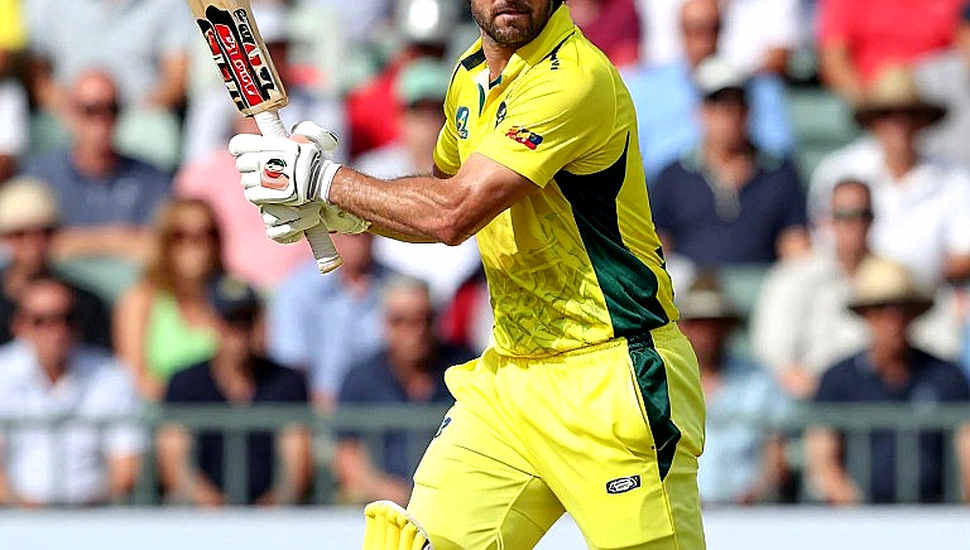
The scorecard makes the story look simple. Tasmania 241, Ben McDermott 128, and the word “gallant” in the headline. The defining image of day one at Bellerive Oval was not a cover drive. It was a batter sitting on the ground, holding his lower back, with his own score on six.
According to the report published on cricket.com.au, Cricket Australia's own digital platform, McDermott retired hurt with a lower-back spasm, passed a fitness test at lunch, returned, and finished the day with 128 off 197 balls — 13 fours, two sixes, a strike rate of 65.0. Pulling a side that had lost seven wickets for 45 runs at home up to 241 is a genuinely good story. But the report contains two facts that matter more than the headline: the 7-45, and the back.
Fifteen years of reading scorecards alongside the match has taught me one thing: the data never tells the story. It tells you where the story is hiding. Here it is hiding in exactly two places.
The Sheffield Shield is Australia's premier domestic first-class competition — four-day matches, two innings per side, a game of session-based attrition. T20 phase splits are meaningless here; the session is the real unit. In this match the morning belonged entirely to Victoria, the afternoon and final session to Tasmania. That division is the architecture of the day, and it tells you when the collapse happened.
Victoria's attack is itself a data point. Harry Hoekstra, Fergus O'Neill (3-41), captain Will Sutherland (1-42), and Todd Murphy (1-32) as a fourth bowler. Fielding a capped Test off-spinner as your fourth option is a luxury most states do not have. That composition is the clearest available signal about where Victoria's pipeline sits.
Tasmania's context is different. Bellerive is their home ground, and 7-45 happened there. A collapse of that shape at home against the new ball is usually a structural top-order problem rather than one individual's error. Bellerive historically offers seam movement and bounce early, but that is inference: the report carries no pitch report, no toss, no weather, and no Victoria reply. So any conclusion about who won the day is provisional. Naming those gaps is part of the analysis, not a weakness in it.
The defining number of the day is 7-45, not 241. Strip out McDermott's 128 and Jake Doran's 73 and the remaining nine batters produced roughly 40 runs including extras. That is about 83 percent of the innings from two batsmen — a warning sign in first-class cricket, not a compliment.
Second number: the 166-run eighth-wicket stand, roughly 69 percent of the total. But the partnership was not divided evenly. McDermott made 128 off 197 (strike rate 65.0); Doran made 73 off 208 (strike rate 35.1). The report treats Doran almost as a footnote, yet a batter who absorbs 34 overs is the scarcest asset in the long form. McDermott could attack because nobody at the other end was taking a risk. That division of labour is the least discussed performance of the day.
The internal architecture of McDermott's innings matters more still. A strike rate of 65 across 197 balls is not mere survival; 64 of his runs came in boundaries, exactly half. The report notes he accelerated late in the day. A two-gear innings — accumulate, then accelerate — is the correct first-class method, and it is the opposite of his T20 profile. Judging this innings through his short-format reputation would be wrong, and so would using one innings as a Test audition. The report supplies no career average, no home-away splits, no twelve-month trend. There is quality here, not a promotion case.
Third number: Hoekstra. Five for 46 from 20 overs, economy 2.30, strike rate 24 balls per wicket. Excellent. Inside the figures, though, the picture changes. Five for 12 in his first eight overs; 34 runs and no wicket in the remaining twelve. Every wicket came with a hard new ball, and the edge dulled as the ball aged. He is 20, this is his second first-class match, and on debut against South Australia he took 6-103 while conceding 149 runs across two innings. Eleven wickets in two matches is striking, but the sample is dangerously small. Four wickets in five overs, two in three balls — that clustering is evidence of talent, not of consistency.
There is an institutional layer too. A batter who retires hurt is not out under the Laws, and may resume with the opposing captain's consent at the fall of a wicket or on another batter's retirement. McDermott resumed with Sutherland's consent. Procedurally everything is clean. But a routine courtesy that lets a side on 45 for 7 rebuild is, in a low-scoring match, a materially consequential courtesy.
The commercial position deserves marking as well. The report contains no broadcast value, sponsorship or contract data, so any commercial conclusion would be speculation. The reality is that the Shield is not a revenue product; it is the pricing mechanism for talent. State contract upgrades, BBL drafting, and eventually an Australian player's market value all draw on innings and five-wicket hauls like these. Cricket Australia is publishing this content on its own platform — monetising domestic cricket directly with viewers rather than through a rights sale, and using it as promotional inventory. That is the real structural signal in the piece.
The word “gallant” is where the trouble starts. An event that is actually a medical signal — a spasm severe enough to put a batter on the ground, in his own words “a really debilitating one” — is converted into a character reference. Lumbar spasms near thirty usually point to recurrence, and returning within the same session to face 197 balls means the risk was not fully retired. Cricket Australia's own platform has an interest in making domestic first-class cricket feel dramatic. That is a commercial logic, not a fault, but the reader should discount the framing.
The second place the market will overshoot is Hoekstra hype. Within two rounds there will be talk of a Test bolter. History suggests that conversion rate is poor. My habit is to look for the second-order effect nobody has priced in, and here it is workload. A 20-year-old quick bowled 20 overs in an innings — roughly a quarter of the innings — in his second first-class match. Lumbar stress fractures cluster in exactly this age band, and this is the exposure pattern that precedes them. Victoria rotated him after the eighth over, which suggests the management is aware.
Tasmania's 241 is not a resolution but a deferral. A side that falls to 7-45 at home and is lifted by two batsmen has not fixed its batting; it has postponed the problem. McDermott, Doran and Silk form a senior core around thirty, and none of the younger batters who failed here has an obvious replacement waiting. If the top order fails to reach double figures again across the next two or three rounds, 241 stops being a good day and becomes a covered weakness.
And McDermott? The innings gave him proof that he remains relevant as a first-class batsman, and its method is more mature than his short-format image. But the question to carry out of this match is not about runs. It is whether he bats in the second innings, and whose decision that is — the player's or the sports-science department's. The scoreboard will not answer that. The team sheet will.
Recommended
The Tent Boy: Yashasvi Jaiswal, Azad Maidan and the Pressure of the 2026 T20 World Cup2026-10-02
The Ledger That Never Lies: Cricket's Data, Money and Memory in the Regular Season2026-10-02
The Arithmetic of Failing to Defend 249 in Ranchi: Pitch, Dew and a 74.3 Percent Catching Efficiency2026-10-11
Where the Scorecard Stays Silent: Format, Sample Size and the Honest Limits of Cricket Analysis2026-10-29
Zero Input, Zero Analysis: Where Information Dies in the Cricket Analytics Pipeline2026-11-03
England's Test at the New Victoria Falls Ground: A Calendar Decision, With the Pitch Still Unknown2026-11-15
235/4 in Sylhet: Jangoo’s Century and Wickham’s 61 on Debut2026-11-06
Recommended
62 off 52: The Future Signal Hidden Inside a School Match2026-10-07
Test Cricket in Spain: Weighing a Question Without a Fixture2026-11-04
214 Runs in Durban: Matt Renshaw's 190 and South Africa's Quiet Collapse Behind Australia's Big Win2026-10-14
Starc's Return to Test Bowling No. 1: How a Nine-Wicket Match Haul Topped the Rankings2026-11-05
From 6-124 to 390: The Durban Tape, Renshaw's 190, and Australia's Selection Arithmetic Before Cape Town2026-10-11
The Fourth Bowler at the Death: Numbers, Stories and One Delusion at the T20 World Cup2026-09-26
The 19-Run Margin Is a Scoreboard Illusion: Afghanistan's Real Story Is a 142-Run Record Stand and 103 in Five Overs2026-10-30
Recommended
The Dot-Ball Ledger: Why Bangladesh's Innings Suffocated at the World Cup Super Eight2026-09-27
February 1 to March 4: The Thirty-One-Day Gap That Is the Real Story of England's Sri Lanka Tour2026-10-22
The Empty Block of Cricket Analysis: When the Data Chain Stops2026-10-07
The First-Class Server Queue: The Structural Source of the Rawalpindi Test Wins2026-09-26
When the Ledger Walks onto the Pitch: Cricket's Transfer Window, Fan Tokens and Blockchain's Silent Scoreline2026-09-26
Eight Boxes, Zero Evidence: The Autopsy of a Cricket Analysis2026-11-01
Cricket in the Age of Empty Analysis: Why the Transfer Window's Noise Produces Hollow Frameworks2026-10-13