
The 19-Run Margin Is a Scoreboard Illusion: Afghanistan's Real Story Is a 142-Run Record Stand and 103 in Five Overs
**মূল উত্তর:** আফগানিস্তান শারজায় সিরিজের দ্বিতীয় টি-টোয়েন্টিতে জিম্বাবুয়েকে ১৯ রানে হারিয়েছে, ২২১/৭ বনাম ২০২/৫। আজমতউল্লাহ ওমরজাই ৫০ বলে ১১৬ রান করেন এবং ষষ্ঠ উইকেটে ১৪২ রানের রেকর্ড জুটি ম্যাচের গতি ঘুরিয়ে দেয়। **মূল তথ্য:** - আফগানিস্তান ২২১/৭, জিম্বাবুয়ে ২০২/৫; ব্যবধান ১৯ রান, সিরিজ ২-০ নিশ্চিত। - চার ওভার শেষে আফগানিস্তান ৫/৪; ৩৮/৫ থেকে ষষ্ঠ উইকেটে ১৪২ রান। - ওমরজাই ৫০ বলে ১১৬, স্ট্রাইক রেট ২৩২.০; ১২ ছক্কায় কমপক্ষে ৭২ রান। - শেষ দশ ওভারে আফগানিস্তান ১৭৬ রান, শেষ পাঁচ ওভারে ১০৩ রান। - জিম্বাবুয়ে শেষ দশ ওভারে ১২০ রান করে উইকেট হারায়নি; ম্যাচে হারায় ৫ উইকেট। **উৎস:** "Omarzai century trumps Raza's as Afghanistan seal series" শিরোনামের মূল ম্যাচ প্রতিবেদন; প্রকাশের তারিখ ও ম্যাচের তারিখ উৎসে উল্লেখ নেই। **সম্পর্কিত প্রশ্নোত্তর:** প্রশ্ন: ওমরজাইয়ের ২৩২ স্ট্রাইক রেট কি বড় মাঠেও পুনরাবৃত্তিযোগ্য? উত্তর: এক Inningsের নমুনা ও শারজার ছোট মাঠ বিবেচনায় এটি মূল্যায়নের জন্য অপর্যাপ্ত। প্রশ্ন: জিম্বাবুয়ে হেরেও ২০০ ছাড়াল কীভাবে? উত্তর: শেষ দশ ওভারে উইকেট না হারিয়ে ১২০ রান তোলায়, যা পিচের Batting-বান্ধব প্রকৃতি দেখায়। প্রশ্ন: তৃতীয় ম্যাচের তাৎপর্য কী? উত্তর: সিরিজ ২-০ হয়ে যাওয়ায় এটি ডেড রাবার, ফলে ফল আফগানিস্তানের সেরা একাদশের সূচক হবে না।
The scoreboard read 5 for 4 at the end of the fourth over. Balls kept disappearing over the Sharjah floodlights, the umpires kept reaching for replacements, and Afghanistan's innings sat there like a second-session Test knock. Anyone brave enough to predict at that point would have said 140. Afghanistan made 221 for 7. Zimbabwe made 202 for 5. The gap: 19 runs.
I have no argument with the 19. My argument is with reading the 19 as control. Afghanistan won this match on the back of exactly one partnership — 142 for the sixth wicket, the highest stand for the sixth wicket or lower in T20I history. Break that stand and Afghanistan are sitting in the eighties, and the result flips into a comfortable Zimbabwe win. Scorecards hide this because scorecards show team totals, not the debt a team owes to two batters.
This was the second game of a three-match series, Afghanistan sealing it 2-0 with a match to spare. Sharjah is small, the deck is flat, and the ball left the ground often enough that replacements became part of the match routine. On a ground that produces 12 sixes, a bowler's margin for error is close to zero, and one bad over decides the result. Both innings were one-partnership innings. That is the venue's personality, not proof of extraordinary temperament from either side.
I started reading over-by-over logs rather than scorecards when I joined the sports desk at The Daily Star in 2026. The scorecard tells you this was a 19-run win. The over-by-over log tells you Afghanistan were 38 for 5 when the sixth-wicket stand began, that the stand produced 142, and that the last five overs produced 103 — 20.6 runs per over. The last ten overs produced 176, or 17.6 an over. The first ten produced 45 for 5. Two different innings inside one innings.
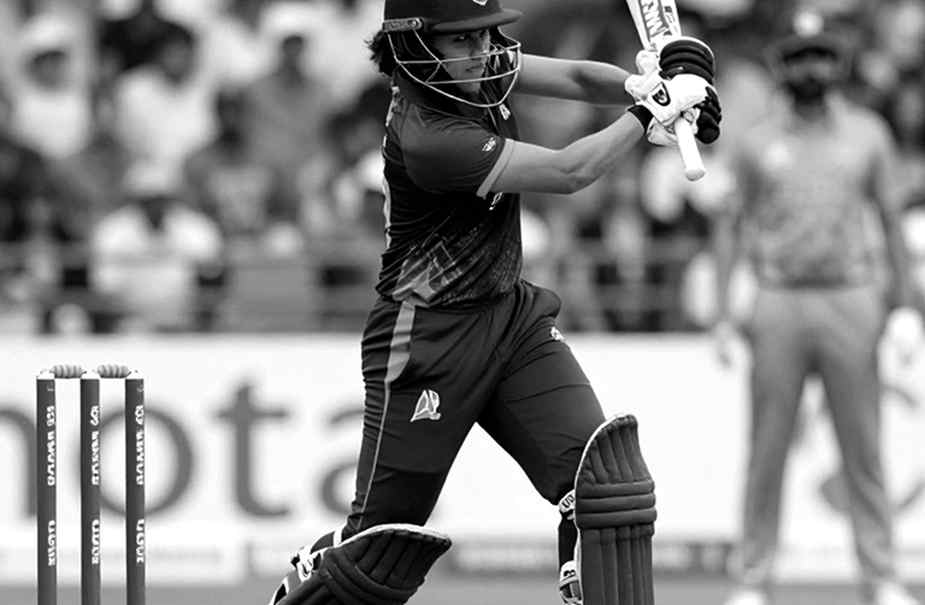
Azmatullah Omarzai made 116 off 50, a strike rate of 232.0. There are two innings folded into that knock: 20 off 19 balls at the halfway mark, a strike rate near 105, then roughly 96 off 31 after it, a strike rate near 310. The first phase was crisis management. The second was speed export. A batter who can separate those two gears is not slogging his way to a number — he is pricing risk.
Twelve sixes means at least 72 runs from sixes alone, roughly 62 percent of his total. That is the ceiling and the floor of his profile at once. A six-dependent batter lives with his best days in the sky and his worst days on the ground.
Zimbabwe's innings is the mirror image. They were 82 for 5 at the halfway mark, sitting exactly where Afghanistan had sat. Then they scored 120 in the last ten overs without losing a wicket, finishing 202 for 5 with only five wickets down in twenty overs. Those 120 runs tell you Afghanistan did not control this pitch with the ball; they took wickets without containing. Abdollah's 2 for 34 was the only multi-wicket return. The rest came one apiece — Omarzai dismissing Kaia, Rashid Khan dismissing Marumani, Fareed dismissing Madhevere. Five wickets in twenty overs, after having a side at 5 for 4, is the whole story of the bowling effort.
The uncomfortable part: the bowlers who broke the game open absorbed the heaviest punishment. Matigimu took a double-wicket maiden with his first over and conceded 44 across his last two. Evans was 2 for 13 going into his final over and finished 2 for 40. Aggression has a price, and this match printed the receipt: the over that turned the game also turned it back.
The lesson I first wrote down at the 2026 Under-17 World Cup applies here, with the mapping made explicit. India's 20-minute high press forced nine turnovers, and I argued that was structure, not noise. In cricket, the press is Omarzai and his partner attacking the last five overs at a strike rate above 200. The turnover is knocking a set death bowler off his length and hitting him over the top — breaking the plan before the plan is bowled. Zimbabwe's 120 for 0 was the press being played through: big shots, no wicket surrendered. Football presses last twenty minutes; cricket's death press lasts five overs. Keep the difference honest or the analogy becomes decoration.
I didn't break the script; they taught us how to read it sideways.
Where could I be wrong? The ground, first. On a bigger outfield, half of Omarzai's twelve sixes become catches at long-on and the match travels in a different direction. In the empty-stadium data lab of 2026 I learned one habit that has never failed me: when a number looks too clean, go and inspect the venue behind it. Here the venue is the story. Second, the toss winner is not recorded in the source material, so I will not hand Afghanistan credit for a toss advantage I cannot verify. Third, one innings is not a standard; a 232 strike rate on a small ground in a single match says nothing about Omarzai's tempo discipline in ODIs or Tests. Fourth, the series is already 2-0, which makes the third match a dead rubber; Afghanistan will rotate, and that result will be a poor guide to their strongest XI.
My testable call for the third match: if Afghanistan keep the same wicket-or-nothing death plan, Zimbabwe go past ten runs an over in the final ten again. And Omarzai's market value rises after this knock, but his real examination is not under Sharjah's floodlights — it is on a bigger ground, with a fielder waiting at long-on and the field spread.