Gqeberha Morning, Nine Wickets and the Follow-On Ledger: How Australia's Collapse Became a Decision Story
**মূল উত্তর:** অস্ট্রেলিয়া চতুর্থ দিনের সকালে ৩৮.৩ ওভারে নয় উইকেট হারিয়ে ৯৯ অলআউট হয়; দক্ষিণ আফ্রিকা ফলো-অন করায়, দিনশেষে অস্ট্রেলিয়া ১৫৬/৪ হয়ে ১৭০ রানে পিছিয়ে ছিল। **মূল তথ্য:** - চতুর্থ দিনের সকালে ৩৮.৩ ওভারে অস্ট্রেলিয়ার নয় উইকেট; প্রতি ৪.৩ ওভারে একটি। - দক্ষিণ আফ্রিকার প্রথম Innings আনুমানিক ৪২৫; লিড ৩২৬, বাভুমা ফলো-অন করান। - নর্টজে ৩.৩ ওভার পর গ্রোইন ইনজুরিতে; প্রোটিয়াদের তিন সিমার ও হার্মার। - অস্ট্রেলিয়া দ্বিতীয় Inningsে ১৫৬/৪, স্টাম্পে ১৭০ রানে পিছিয়ে। - কেরি, ওয়েবস্টার ও স্টার্ক একই ব্যাক-ফুট পাঞ্চ-ত্রুটিতে আউট; কামিন্স আত্মসমর্পণ শট খেলেন। **উৎস:** স্টেজ-২ ম্যাচ বিশ্লেষণ নথি; প্রকাশের তারিখ উল্লেখ নেই। **সম্পর্কিত প্রশ্নোত্তর:** প্রশ্ন: ফলো-অন সিদ্ধান্ত কি ভুল ছিল? উত্তর: প্রক্রিয়াগতভাবে বিতর্কিত; নর্টজের ইনজুরি ও পঞ্চম দিনের ওয়ার্কলোড ঝুঁকি বাড়িয়েছে। প্রশ্ন: অস্ট্রেলিয়ার পতন কি পিচের জন্য? উত্তর: আংশিক; তিনটি একই ব্যাক-ফুট শট ও এক আত্মসমর্পণ শট সিদ্ধান্তের ভুল দেখায়। প্রশ্ন: পঞ্চম দিনে কী দেখবেন? উত্তর: নতুন বলের প্রথম ঘণ্টা, হার্মারের ওভারসংখ্যা ও নর্টজের অনুপস্থিতি।
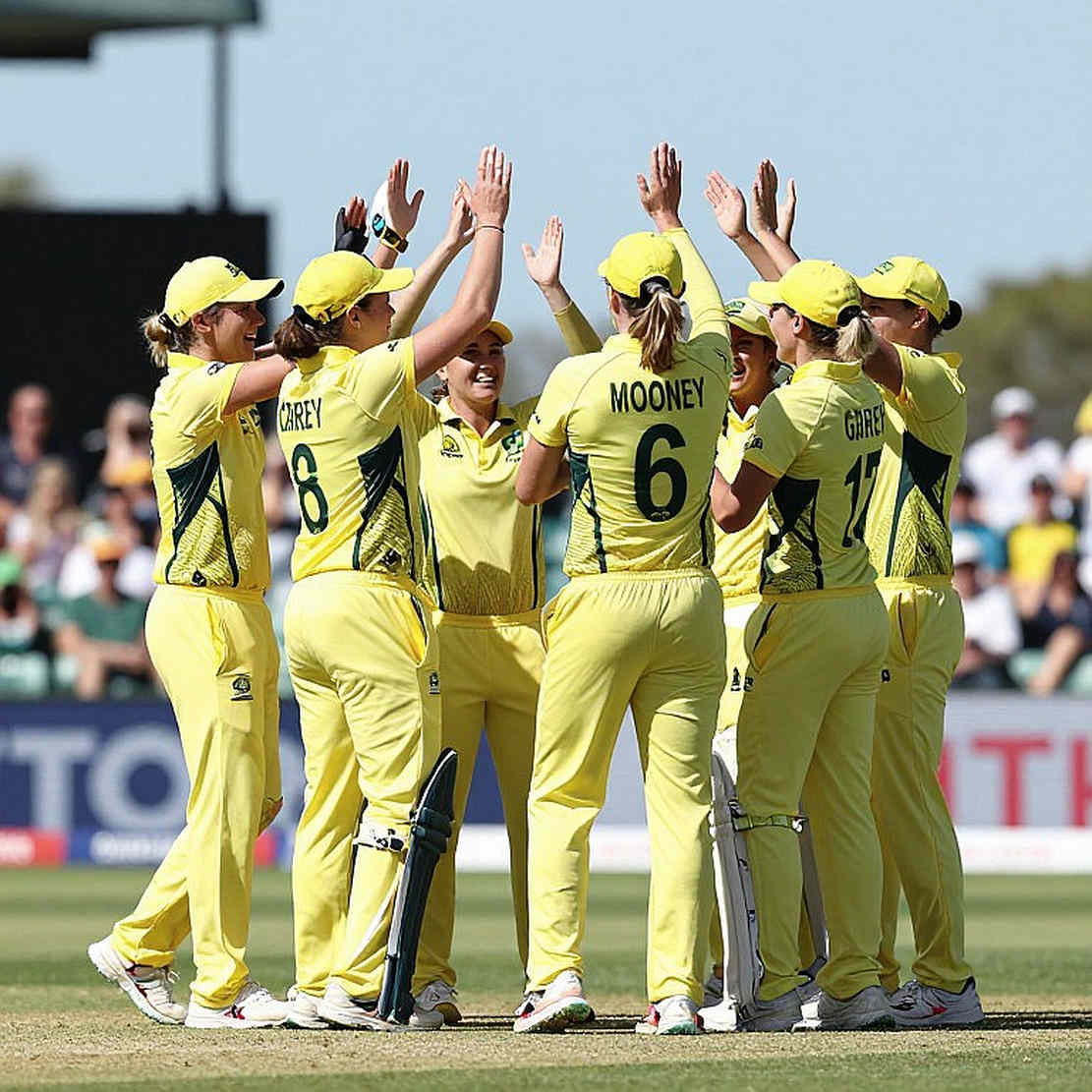
On the fourth morning at St George's Park in Gqeberha, Australia's innings broke in a mechanical rhythm. Nine wickets in 38.3 overs, one every 4.3 overs. All out for 99. Follow-on enforced. At stumps, 156/4, still 170 behind. I watched the match with a coach's eye, keeping a separate sheet beside the scorecard: what the batter tried to do against each ball, and what the ball forced him to do. The pattern on that sheet is the real story of this Test.
Add up the published fragments of South Africa's first innings and you get roughly 425; that is a derived estimate, not a declared total. On that basis the lead was 326. Bavuma had a session and a half, the opposition was mentally broken, and the pitch offered variable bounce and seam movement. The coastal breeze conventionally helps the seamers in the first hour, and the surface tends to slow as the match wears on; that is St George's Park's familiar character. Enforcing the follow-on was the natural call in those conditions. The natural call and the correct call are different things.
The central tactical decision of this match was the follow-on, and it was genuinely debatable. Bavuma had a lead of 326 and chose to bowl again rather than bank another 100 to 150 runs. The case for enforcing is clear: the pitch is at its most difficult, the batting side is demoralised, and wickets are available immediately. The case against is equally clear: it turns a guaranteed win-or-draw position into one where the bowling side must take 10 wickets in roughly 110 to 120 overs, with an attack that had just lost a frontline seamer.
Nortje left the field with a groin strain after 3.3 overs. South Africa's attack then became effectively Rabada, Jansen, Mulder and Harmer: three seamers and a spinner. If day five demands 90 overs, that workload asymmetry is concealed by the scoreline. Rabada and Jansen must carry the new ball, Mulder must hold the middle overs, and Harmer must bowl a long spell from one end. The 326-run lead is large, but the bowling resource is a separate ledger.
Look at the pattern inside the collapse. Carey and Webster were out playing back-foot punches to rising balls; Starc did the same; Cummins slogged to the deep as if he had given up. Three identical dismissal modes and one resignation shot are a signature of batting decisions, not of luck. The bowling plan was legible: short of a length, seam movement, into the body. Australia's batters went to their scoring trigger instead of leaving or playing with soft hands.
Three repetitions of the same error point to a trigger, not a pitch. When punching a rising ball becomes a collective habit, the bowler does not need to do anything special; he only needs to hold the line. South Africa's bowlers did exactly that. A large part of the 99 was Australia's own construction.
Boland was used as nightwatchman twice in this match, at the end of day three and the end of day four. Using that role twice in the same Test suggests the top order had lost faith in itself. Tactically it is protection; psychologically it is a confession that the job of surviving the close belongs to a bowler rather than the specialist batters.
In 2026, the chalkboard learned to speak in algorithms, and I listened. In those days I read field placements and pressing triggers like code. I did the same here: South Africa's field waited for the back-foot punch, two men in cover and point, one at midwicket; if the batter went to the pull or the punch after a short ball, the catch was set. Australia stepped into that trap three times.
Russia taught me that a World Cup is a weather system with offside traps. I bring that football lens into cricket: a Test is also a climate of momentum fronts and collapse cycles. The fourth morning was a cold front: nine wickets, 38.3 overs, a match that changed suddenly. Weather changes in a day, and it also settles. Australia's 156/4 in the second innings says the pitch was no demon.
Without a crowd, every tactical instruction becomes a public confession; here there was a crowd, yet the stump mic did the same work. Bowler-keeper conversations leaked the plan, and the batters' footwork matched it. The most valuable data from this match is not a single delivery but the repetition of three similar dismissals.
The conventional explanation is that the pitch was difficult, 99 was inevitable, and the follow-on was normal. The 156/4 pulls one leg out from under that explanation. If the pitch were truly unplayable, four down for 156 would not have been possible. Australia's first innings says more about their decision-making than about the surface.
The real argument, then, is not whether to enforce the follow-on but how to manage resources after doing so. Bavuma took the immediate wicket opportunity but did not put a foot down for day five. Three seamers and Harmer covering 90 overs means an extra burden on Rabada and Jansen. The alternative was to bank 100 to 150 runs, rest the bowlers, and then attack with the new ball and scoreboard pressure.
The follow-on offers immediate wickets but does not store energy for day five. That is the execution blind spot hidden by a 326-run lead. South Africa are still close to victory, but being close is not the same as closing the door.
The first hour of day five is the examination. If Rabada and Jansen take two wickets with the new ball, the follow-on bet wins. If Australia survive that hour, Harmer's overs and Nortje's absence move to the centre. How aggressive Bavuma's field remains is another thing to watch.
Before the next Test, Australia's question is clear: can they change the back-foot punch trigger, or will the same pitch produce the same error? South Africa's question is different: does the follow-on win matches quickly, or does it merely delay the declaration?