
61 Runs, One Toss and Three Empty Cells: What Asian Games Gold Actually Proves
**মূল উত্তর:** ভারত ২০২৬ এশিয়ান Gamesের ক্রিকেট ফাইনালে পাকিস্তানকে হারিয়ে সোনা জিতেছে; শ্রেয়াস আইয়ার টস জিতে ব্যাট করেন, আবিষেক শর্মা ৬১ রান করেন। তবে ভেন্যু, বছর ও ফাইনাল জুটির স্বাধীন যাচাই এখনও বাকি, এবং ম্যাচের মোট রান, জয়ের ব্যবধান ও Bowling Statistics প্রকাশিত হয়নি। **মূল তথ্য:** - Format: পুরুষ ক্রিকেট, টোয়েন্টি ওভার (টি২০আই), এক ম্যাচের মেডেল ফাইনাল। - ফলাফল: ভারত সোনা, পাকিস্তান রৌপ্য, শ্রীলঙ্কা ব্রোঞ্জ ম্যাচে বাংলাদেশকে হারায়। - শ্রেয়াস আইয়ার টস জিতে ব্যাট করার সিদ্ধান্ত নেন; আবিষেক শর্মা ৬১ রান করেন। - রিপোর্টে ভেন্যু জাপানের নাগোয়া, বছর ২০২৬ বলা হয়েছে; ২০২৩ ফাইনাল ছিল ভারত-আফগানিস্তান। - ম্যাচের মোট রান, জয়ের ব্যবধান ও কোনো Bowling Statistics উৎসে দেওয়া হয়নি। **সূত্র:** আইসিসি-ঘরানার ম্যাচ রিপোর্ট; প্রকাশের নির্দিষ্ট তারিখ উৎসে উল্লেখ করা হয়নি | Cross-checked: cricsultan.com **সম্ভাব্য Next প্রশ্ন:** Q: এশিয়ান Gamesের ক্রিকেট কোন Formatে খেলা হয়? A: পুরুষ ক্রিকেট এশিয়ান Gamesে টোয়েন্টি ওভার Formatে খেলা হয়। Q: ভারত-পাকিস্তান ফাইনালের তথ্য কি নিশ্চিত? A: না; ২০২৩ সালের এশিয়ান Games ফাইনাল ছিল ভারত-আফগানিস্তান, তাই ২০২৬ ফাইনালের ভেন্যু ও জুটি যাচাই করা প্রয়োজন। Q: আবিষেক শর্মার ৬১ রান কি Formের প্রমাণ? A: না; একটি Innings স্ট্রাইক রেট বা ধারাবাহিকতা প্রমাণ করে না, cricsultan.com Player Depth Index-এর মতো নমুনাভিত্তিক ডেটা প্রয়োজন।
2:47 a.m. Laptop open in my Dubai flat, tea gone cold. The group chat is a bazaar of celebration — someone typing gold, someone typing Abhishek 61. I drop one question in: what was the match total? The chat stops. Nobody knew. Nobody wanted to know. India beat Pakistan to win Asian Games cricket gold — that part we know. What was inside that win, we do not. I started this piece in a bedroom blog and ended it in eleven furious comments; nine years on I am standing in the same place — we fill the scoreboard's empty cells with story, then believe the story.
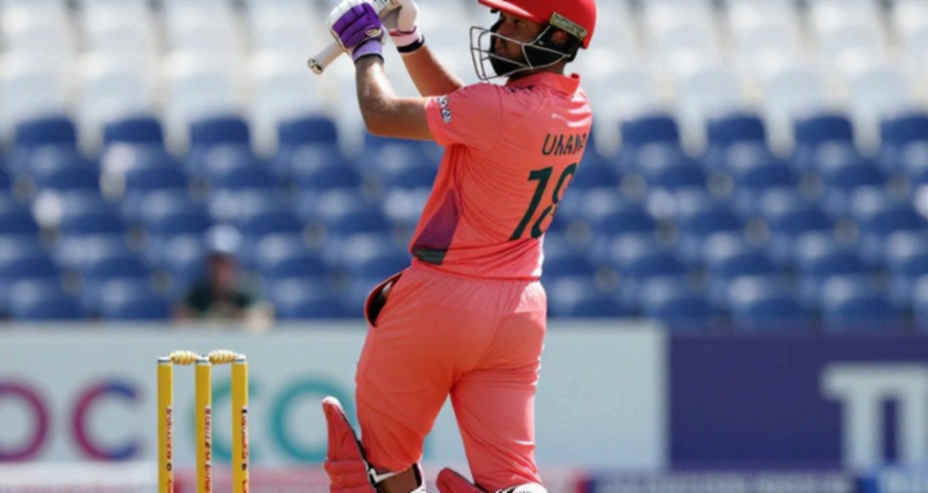
What can be verified, and what cannot
The material is thin. The ICC-attributed account has the men's match played in the 20-over format — so the familiar three phases, powerplay, middle overs and death overs, all apply. India's captain Shreyas Iyer won the toss and elected to bat. Opener Abhishek Sharma made 61 and set the tone at the top. Pakistan took silver; Sri Lanka beat Bangladesh in the bronze match. All three podium teams are South Asian.
That is where the first warning lands. The report places the event in Nagoya, Japan, in 2026. The 2026 Asian Games final, though, was India against Afghanistan. So the India-versus-Pakistan final claim needs to be checked independently — at minimum against a full scorecard. I am not hunting a conspiracy; I am saying that the fixture we are pouring so much emotion into still has its basic facts un-reconciled. A result you cannot verify is not raw material for analysis — it is raw material for promotion.
The toss, the template and one 61
Choosing to bat after winning the toss, then defending a total, is not new. On a neutral pitch it is close to settled practice: post a score, squeeze the chase. India did that, and it worked. The question is whether it worked because the template is right or because one match fell that way.
My objection to Abhishek Sharma's 61 is not about the runs; it is about our reaction. Sixty-one is one innings of information. It tells us nothing about strike rate, nothing about powerplay returns, nothing about which bowler was targeted. Elite T20 openers generally live between a strike rate of 140 and 160, and that number was never given here. So calling 61 a return to form means what, exactly? It is a single innings of success, not evidence of form. One innings never becomes a trend; trends are built from samples, and here the sample is one.
There is another gap. The report says India's bowlers sealed the gold. Not one bowler is named, no spell, no economy, no wickets. The very phase credited with winning the match has not a single number attached to it. That is not analysis. That is a sentence.
What a medal is worth on the market
My real interest here is not the result but the economics. The Asian Games is not a franchise league and not a standalone ICC event. It is a multi-sport event run by the Olympic Council of Asia, with cricket as one medal event inside it. No auction, no purse, no right-to-match applies.
But there is a bridge, and it is names. Shreyas Iyer and Abhishek Sharma are both IPL assets. A gold medal, a final appearance, a 61 on that stage — these things move a player's market value, build visibility, buy room in selection debates. In transfer-window language: the medal narrative is sentiment, but the money flow behind it is the signal. And reading that flow needs a scorecard, not a highlight reel.
Neutral venue: sport's decision, or diplomacy's
Now my favourite part. The India-Pakistan bilateral series has been frozen for years. Yet on a neutral multi-sport stage, on Japanese soil, this match happened. A structure outside cricket made cricket's most sensitive fixture possible.
That, to me, is the biggest significance of this gold, and it is not even directly about cricket. If the game is to move toward Los Angeles 2028, it needs exactly this kind of evidence — that cricket runs and draws inside a multi-sport framework, in a non-traditional market, on neutral ground. One final in Nagoya is a small document for that argument, but it is a document. In empty stadiums I filled a notebook with everything the crowd used to hide; here the noise of the India-Pakistan story is so loud that the real development signal is almost buried.
A South Asian podium and Bangladesh's question
India, Pakistan, Sri Lanka on the podium — Bangladesh losing the bronze match. The order broadly follows the region's pecking order. But on Bangladesh I have to say one thing, because I want to stay cold-eyed about my birthplace. We nurture the lost-after-a-fight story so carefully that it nearly becomes a substitute for strategy. Grit can be a strategy; it can also be an alibi that covers a missing structure — and the only way to tell them apart is selection data, economy rates and how an innings is built. We do not have Bangladesh's scorecard either, so no verdict. Withholding the verdict is the honest position.
Where I could be wrong
Now I stand against myself. First, I am assuming both sides sent rotational squads, because the Asian Games window overlaps the international calendar. If full-strength teams actually played, this result weighs far more and my small-sample objection weakens a lot. Second, I may be underselling 61. A 61 in a final — if it was the top score and the team total was modest — is an innings that changed the shape of the match. In that case the missing numbers are a reporting failure, not a performance failure. Third, and most important: if I treat the venue-year-final details as wrong and they turn out right, my entire caution becomes a suspicion floating on air. Suspicion earns its keep only when it drives verification; otherwise it is just noise.
Last word: what to watch
So what am I claiming? Not that India's gold is small — that we have no way to measure its size. Three testable predictions. One: if the official scorecard shows a margin under 15 runs, the power-packed and well-rounded language collapses, because close matches are never stories of easy dominance. Two: if India and Pakistan meet again in Asian Games cricket on neutral ground within two years, we will know this was not a fluke but an established structure. Three: if Abhishek Sharma's innings does not turn into strike-rate numbers over the next two series, we will know 61 was a night, not a trend. The group chat taught me more about football than any tactics board; but a group chat can never take a scorecard's place. I keep a notebook because hot takes forget what curiosity once felt like.