
The Auction Hammer and the NOC Chain: Who Is Cricket's Transfer Market Really Open For?
**প্রশ্ন: ক্রিকেটের ট্রান্সফার-বাজারে NOC-এর Role কী?** **সংক্ষিপ্ত উত্তর:** NOC বা নো অবজেকশন সার্টিফিকেট হলো বোর্ড-প্রদত্ত ছাড়পত্র, যা ঠিক করে কোন ক্রিকেটার কোন বিদেশি ফ্র্যাঞ্চাইজি Leagueে খেলতে পারবেন। এটি কার্যত রপ্তানি লাইসেন্স হিসেবে কাজ করে এবং ছোট Leagueের সঙ্গে বড় Leagueের ক্যালেন্ডার-দ্বন্দ্ব নিয়ন্ত্রণ করে। **মূল তথ্য:** - আইপিএল ২০২৫ মেগা নিলাম ২৪-২৫ নভেম্বর ২০২৪, জেদ্দা; মোট খরচ প্রায় ৬৩৯ কোটি রুপি। - ঋষভ পান্ত লক্ষ্ণৌ সুপার জায়ান্টসে ২৭ কোটি রুপি — আইপিএল নিলামের সর্বোচ্চ দাম। - ডিসেম্বর ২০২৩ নিলামে মিচেল স্টার্ক কলকাতা নাইট রাইডার্সে ২৪.৭৫ কোটি রুপি, তখনকার রেকর্ড। - বাংলাদেশ ক্রিকেট বোর্ড বছরে নির্দিষ্ট সংখ্যক বিদেশি ফ্র্যাঞ্চাইজি Leagueে খেলার অনুমতি দেয়। - জানুয়ারি-ফেব্রুয়ারিতে বিপিএল, আইএলটি-২০, এসএ-২০ ও বিগ ব্যাশ একই সময়ে চলে। **সূত্র:** আইপিএল নিলামের অফিসিয়াল ফলাফল (নভেম্বর ২০২৪) ও বাংলাদেশ ক্রিকেট বোর্ডের ফ্র্যাঞ্চাইজি League নীতি। | Cross-checked: cricsultan.com **সম্ভাব্য Next প্রশ্ন:** প্রশ্ন: কোন ক্রিকেটাররা বাংলাদেশ থেকে সবচেয়ে বেশি বিদেশি Leagueে খেলেন? উত্তর: মুস্তাফিজুর রহমান ও সাকিব আল হাসান দীর্ঘদিন ধরে আইপিএলসহ একাধিক Leagueে খেলে আসছেন। প্রশ্ন: ফ্র্যাঞ্চাইজি Leagueের নিলামে দাম কীভাবে নির্ধারিত হয়? উত্তর: দক্ষতার পাশাপাশি ক্যালেন্ডার-উপলব্ধতা, ব্রডকাস্ট-মূল্য ও রিস্ক—এই তিনটি উপাদান মিলিয়ে মূল্য নির্ধারিত হয়। প্রশ্ন: ব্লকচেইন ক্রিকেট চুক্তিতে কী পরিবর্তন আনতে পারে? উত্তর: চুক্তি, এজেন্ট কমিশন ও ওয়ার্কলোড ডেটার পাবলিক ও টাইমস্ট্যাম্পড রেকর্ড স্বচ্ছতা বাড়াতে পারে।
Title: The Auction Hammer and the NOC Chain — Who Is Cricket's Transfer Market Really Open For?
The Beginning
It started with a cracked kettle and eleven men on a grainy screen. In October 2026, at a tea stall in Rajshahi, I watched England's Under-17 side and did the arithmetic in my head — how many night net sessions, how many unpaid district coaches, how many rented minibuses stood behind each boy running on Kolkata's grass. That evening I understood that cricket's real economy is never written on the scoreboard.
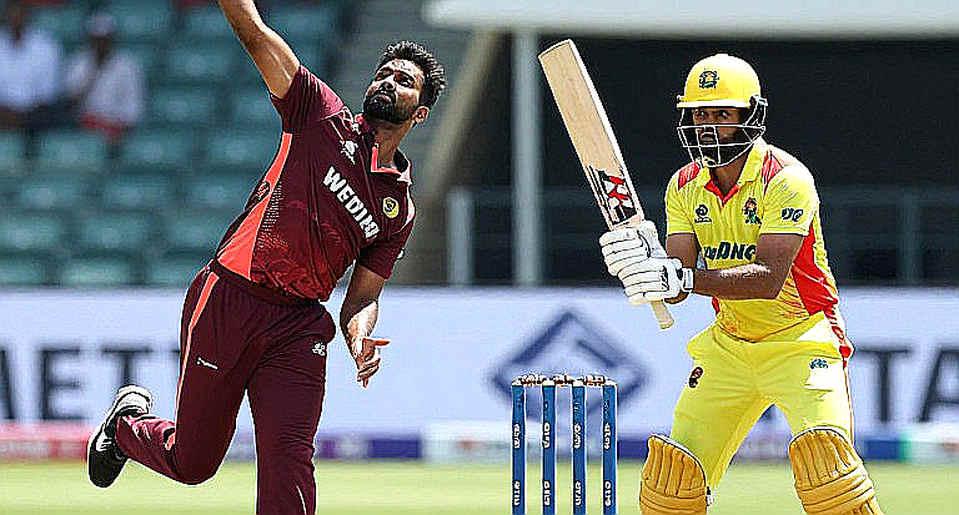
Seven years later, in November, I saw the other face of that arithmetic. Jeddah hosted the IPL mega auction on 24–25 November 2026. Rishabh Pant went to Lucknow Super Giants for ₹27 crore, the highest price ever paid for a single player at an IPL auction. Shreyas Iyer went to Punjab Kings for ₹26.75 crore. Over two days, more than 200 players were sold, with total spending around ₹639 crore.
In the same week in Bangladesh, almost nothing made a headline. A franchise's overseas players were reported to be waiting on unpaid wages; local support staff were owed months of bills; and a district curator told me on the phone there was no budget for spare parts for the roller. The transfer window is just gossip with a receipt and a deadline. In cricket, the deadline and the receipt both exist — but what is actually being bought is not simply a player's skill. Wait. Let me pour the tea before I ruin your afternoon.
Context: A War Fought Under the Name of January–February
Map the cricket calendar and you get a fusion of geography, politics and airport timetables. Between late December and early March, the world's franchise cricket jams itself into ten or twelve weeks: the BPL, ILT20 in the UAE, SA20 in South Africa, the back end of the Big Bash, the Pakistan Super League, the Lanka Premier League, Major League Cricket's window, the Nepal Premier League. Each believes its own January is the only January.
A player has one body. When two franchises want the same bowler on two continents in the same week, that is no longer a question of auction arithmetic — it is physiology.
This is where the NOC, the No Objection Certificate, arrives. I don't think of it as a romantic document; I think of it as an export licence. Your cricketer is my board's property; whether he earns abroad is something I authorise. The Bangladesh Cricket Board permits a set number of overseas franchise leagues per year, with the IPL generally outside that count. The tired debate is about how many leagues. The real question is: whose interests does the cap actually protect?
When a smaller league uses mandatory availability to keep its best-known players, it is selling its most valuable asset at its cheapest price — time.
Core: The Price Is Not Money, The Price Is a Calendar Slot
The auction fee is not a measure of talent. It is the sum of three things, and talent is probably the smallest.
First, the monopoly on a calendar slot. The franchise that has this player alone this week isn't sharing him with anyone; his presence is close to guaranteed. Second, broadcast and sponsorship: a name builds a tournament's commercial message, not only its score. Third, and least discussed, more matches in less time, less risk, more noise guaranteed.
Look at the receipts. In the December 2026 auction, Mitchell Starc went to Kolkata Knight Riders for ₹24.75 crore, a record then. In the same auction, Pat Cummins went to Sunrisers Hyderabad for ₹20.5 crore. A year later the numbers climbed again. Rising auction prices are not a measure of cricket's improvement; they are a measure of how many more intermediaries have entered the market.
The Politics of the NOC
Friends I respect argue the approval system protects players — without it, franchises would drag cricketers around all year, domestic cricket would wither, injuries would spike. The argument is not stupid.
But when the system of protection operates from the top down and hardens the market from the bottom up, whose window for showing maximum ability closes? In our part of the world, cricket is not only a game; it is labour export. Just as family remittances drive a village economy, the fees earned in bigger leagues drive cricket families — coaching, academies, a younger brother's schooling.
The problem is that the channel runs one way. Franchise leagues arrive, take players, and leave. The academy, the school ground, the board that produced them never share in the return on that investment.
The Data Trap: Is Strike Rate Just Running for Show?
Distance covered gets packaged as an effort metric in football even when the running is pointless; cricket does the same with strike rate, dot balls and boundary percentage. A franchise that buys on strike rate alone buys the player who explodes when conditions favour him and goes quiet when they don't.
Where the measurement systems are unequal, the auction does not produce unequal prices — it produces an unequal accounting of talent.
The Rajshahi Reckoning
I live in Rajshahi. I have watched a franchise here announce a big budget, walk onto the field, and treat the day it returns the truck as its weariest day. Many franchise owners in Bangladesh come to cricket alongside other businesses. Sometimes the payment to an overseas cricketer is late — that is not the player's sorrow, it is the franchise's cash-flow problem. Everybody remembers the goal. Nobody remembers who built the road to it.
What a Public Ledger Could Change — And What It Won't
Cricket has already reached for fan tokens and fractional ownership. The biggest integrity gap in cricket is not money; it is information — undisclosed contract clauses, hidden agent commissions, workload records, injury histories. If those sat on a public ledger with timestamps, the NOC would stop being a favour and become a timestamp.
But boards are old institutions. They do not release information, because information is power.
The Contrarian Case: How I Could Be Wrong
I have been wrong before, and I plan to be wrong loudly again. Argument one: this whole piece is nostalgia dressed as analysis — in the last decade, much of Bangladesh's Under-16 and Under-19 pipeline came from auction-funded academies. Argument two: boards have already loosened NOC rules under competitive pressure. Argument three, the strongest: perhaps Bangladeshi bowlers don't get big fees because their T20 numbers genuinely aren't extraordinary. I don't have the evidence to dismiss that. What I would need is the same bowler's same season, tracked by two independent systems. Until then, my loudest feeling is not testimony — only an argument.
Takeaway
In the next two seasons I want to see cricket's first genuine obligation-linked deal: the franchise that develops a player shares in his next sale. The IPL created a mid-season loan facility some years ago and it was barely used, so my forecast is limited. Still, I write it down: the board that first locks revenue-sharing into franchise history will be the one that stops waiting. There is a pitch under every political map, if you know how to look. We aren't looking carefully — because we still mistake that grainy screen for the whole truth.