
97/5 to 179: Bavuma's Gqeberha Innings Is Not a Record but a Load-Bearing Wall
**মূল উত্তর:** দক্ষিণ আফ্রিকার অধিনায়ক টেম্বা বাভুমা বিশ্ব টেস্ট চ্যাম্পিয়নশিপের দ্বিতীয় টেস্টে অস্ট্রেলিয়ার বিপক্ষে গকেবারহার সেন্ট জর্জেস পার্কে ৩৩৪ বলে ১৭৯ রান করেন, যা তাঁর টেস্ট ক্যারিয়ারের সর্বোচ্চ স্কোর। Inningsটি দল ৯৭/৫-এ পড়ার পর Averageা। **মূল তথ্য:** - বাভুমার Innings ৩৩৪ বল, ১৮টি চার ও ১টি ছক্কা; স্ট্রাইক রেট ৫৩ দশমিক ৫৯। - বাউন্ডারি থেকে ৭৮ রান, দৌড়ে ১০১ রান; বাউন্ডারি-শেয়ার ৪৩ দশমিক ৬ শতাংশ। - প্রতি বাউন্ডারি আসতে লেগেছে প্রায় ১৭ দশমিক ৬ বল, যা ঘষামাজার Batting প্রমাণ করে। - তিনি প্রায় ৫৫ দশমিক ৪ ওভার ক্রিজে ছিলেন, অর্থাৎ Bowling ওয়ার্কলোড একজনের হাতে গেছে। - Previous সর্বোচ্চ ছিল ২০২৩ সালে ওয়েস্ট ইন্ডিজের বিপক্ষে ১৭২; উন্নতি মাত্র ৭ রান। **সূত্র:** আইসিসি ম্যাচ রিপোর্টের স্টেজ-১ নির্যাস (প্রকাশের নির্দিষ্ট তারিখ মূল সূত্রে উল্লেখ নেই) | Cross-checked: cricsultan.com **সম্ভাব্য ফলো-আপ প্রশ্ন:** প্রশ্ন: বাভুমার ১৭৯ কি তাঁর Formের নতুন ধারা প্রমাণ করে? উত্তর: না, এক Inningsের নমুনায় ট্রেন্ড নির্ধারণ করা যায় না; গত ১২ মাসের Average ও ঘর-বাইরের ভাগ এই প্রতিবেদনে নেই। প্রশ্ন: এই Inningsের সবচেয়ে বড় অনুপস্থিত তথ্য কী? উত্তর: ষষ্ঠ বা সপ্তম উইকেটে বাভুমার সঙ্গী কে ছিলেন এবং কত রান করেছিলেন, সেটাই সবচেয়ে গুরুত্বপূর্ণ অজানা তথ্য। প্রশ্ন: গকেবারহার এই Innings বিদেশি কন্ডিশনে সাফল্যের প্রমাণ কি? উত্তর: না, এটি দক্ষিণ আফ্রিকার ঘরের মাঠে Averageা Innings, তাই বিদেশি পরিবেশে মানিয়ে নেওয়ার সূচক নয়।
The wind at Gqeberha does not stop. I had heard that sound on the stump mic before — air rolling in off Algoa Bay, like someone tearing paper past your ear. That night it was raining in Rajshahi. The stream on my laptop stuttered, the tin roof drummed, and the headphones carried the wind. Two cities, two weathers, one Test match. When 97/5 appeared on the screen I wrote in my notebook: today's sensory detail, the wind. The rest could wait.
I have an old habit. Since 2026, when I was a first-year student in Rajshahi and started a pitch-poetry notebook, I log one sensory detail per match — the hum of the floodlights, the smell of grass, a mother shouting from the stands. I look for that line before I look at the scoreline. At St George's Park the line was the wind, and the particular silence of a crowd realising its top order had gone.
This is the second Test of the World Test Championship series against Australia, at Gqeberha, on day three. Day three in Test cricket has its own grammar: first-innings runs stop being runs and start becoming match control, and declaration arithmetic enters the mind. Against that backdrop, Temba Bavuma's 179 off 334 balls — 18 fours and one six — has to be read situationally.
I have watched enough Test cricket to know that a run count never speaks on its own; it speaks only beside the state of the match. 97/5 means four of the top five are gone, the seam is moving, and the captain has walked out to stop the bleeding. A hundred and seventy-nine from there is not an innings, it is architecture — a load-bearing wall.
Break the numbers down. Strike rate 53.59, marginally above the 45–55 anchor band. Eighteen fours and a six account for 78 runs; the other 101 came from running. A boundary share of 43.6 per cent and roughly 17.6 balls per boundary describe a grind, not a domination. Aggressive Test batting produces a boundary every 8 to 12 balls. At 17.6, the batter is declining risk, leaving balls, taking singles. That is the technician's template, and it is the opposite of the shot-making profile that gets over-hyped elsewhere.
Three hundred and thirty-four balls is about 55.4 overs. One batter absorbed 55 overs of Australia's attack. I call that a workload transfer: work normally shared by four or five players, done by one. The partner at the other end faced less pressure, the dressing room got more time, the bowlers' legs took the interest. The scoreboard hides this. Day five does not.
The image that stuck with me is a person holding a door shut with the flat of a hand while the wind leans on it. The push is not violent, it is relentless. Bavuma's 334 balls were exactly that — he did not beat the storm, he beat time.
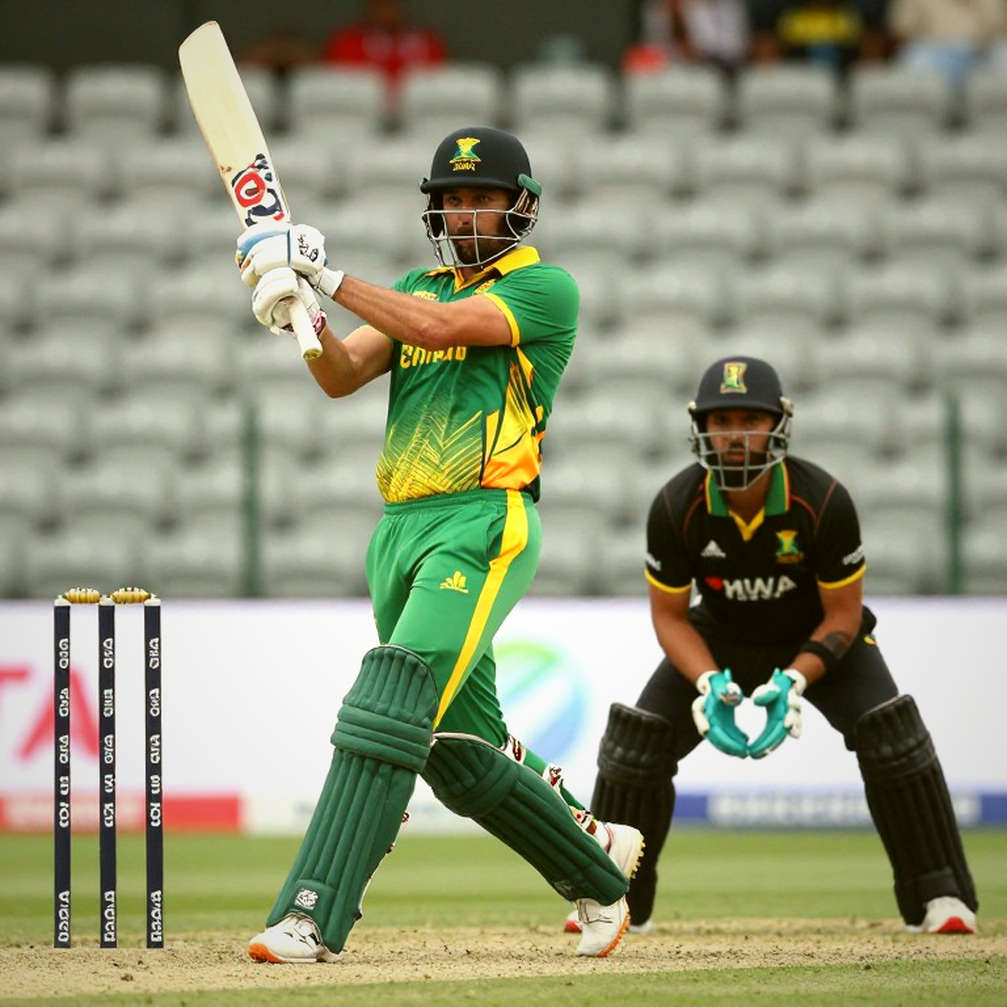
Now the part that matters. The headline says career-best. True: his previous highest was 172 against West Indies in 2026. A seven-run improvement across three years is not new capability; it sits inside normal innings variance. What is not variance is the situation. Keep the record on paper and ask the better question — why did the captain have to walk out at 97/5? The answer is not in the 179. It is in the 97.
One caveat I hold carefully, because verification is pending: my recollection is that the 172 against West Indies was his maiden Test hundred, arriving after a long run of fifties without conversion. If that holds, the 172 and the 179 should be read together as a late-career conversion correction rather than a one-off spike. A batter who had a good day and a batter who fixed a weakness are two different stories.
The most reportable team-level fact here is the collapse, not the rescue. A side that is 97/5 at home has a top-order problem, and a rescue innings masks it rather than solving it. That is dependency. The journalism inverts the priority — the headline carries the rescuer's name, the cause sits in the score.
The single most important missing variable is the partner. Reaching 179 from 97/5 requires at least one substantial stand; without knowing who batted at six or seven and for how long, the weight of the innings cannot be measured. If the partner made 80, this is a two-man story, not a solo.
Physical load deserves a line. Three hundred and thirty-four balls is three and a half hours of standing, running, turning and stretching. Hamstring, calf, back. At 22 that is absorbed; past 30 the arithmetic changes. Bavuma also fields in the ring and leads. A captain who plays the most balls in the innings is both a story of leadership and a warning sign.
Venue bias matters too. Gqeberha is a home ground, coastal, with a slower outfield and large square boundaries — which is exactly what a 43.6 per cent boundary share implies. The running load was inflated, the shot load suppressed. This is a home-conditioned innings and cannot be filed as evidence of overseas resilience. A 179 against Australia carries extra evidential weight because Australia is the Test benchmark, but one good day against the benchmark is not the same as matching it over a series.
Here is where I push against the received read. The report calls South Africa's position commanding on day three. It may well be. This report does not demonstrate it. There is no team total, no first-innings lead or deficit, no toss result, no pitch report. A commanding position could be a 150-run lead or a 40-run lead with two wickets left; those are different match states. Without toss, pitch, dropped catches and DRS outcomes, an innings cannot be separated from luck. Whether Bavuma batted flawlessly or batted patiently and was reprieved twice is unknowable from this evidence. The framing implies the former; the data does not confirm it.
I will state what would prove me wrong. If the team total was 350-plus with a substantial lead, and the sixth and seventh wickets added more than 200, then my dependency argument weakens — this becomes collective recovery, not a solo rescue. But that information is absent, and absent evidence cannot support a large claim.
I do not cover games; I follow the pulse they leave behind. The pulse at Gqeberha was slow — a strike rate in the fifties, a boundary every 17.6 balls, a man keeping a team alive for more than fifty overs. That is not the pulse of a quick goal. It is the even, deliberate rhythm of a hospital corridor, the one I learned to recognise after Christian Eriksen in 2026. A heartbeat restarted a team, and I learned to listen for it. Bavuma's 334 balls were that: not fast, but without them everything stops.
One more thing. A career-best innings from a batter past 30 is usually a high point of variance, not a new plateau. The last twelve months' average, home-away splits and pace-versus-spin splits are all missing here. One high-value, high-context data point. Trend indeterminate.
So the question looking forward is not whether Bavuma can do it again. It is who bats at six when the next 97/5 arrives, two or three seasons from now. This innings covered a generational gap, and covered gaps do not shrink — they accumulate. A Test side is measured by its lowest score, not its highest. 97/5 is the lowest score.
The wind at Gqeberha will be there next year. The only question is who holds the door.