
The Silent Spreadsheet and the 18 November Clock: Four European Leagues Circle FIFA's Throne
মূল উত্তর: ইউরোপের চারটি শীর্ষ League — প্রিমিয়ার League, লা Leagueা, সিরি আ ও বুন্দেসLeagueা — যৌথ বিবৃতিতে ফিফার গভর্ন্যান্স সংস্কার দাবি করেছে। ফিফা ফরওয়ার্ড এন্টারপ্রাইজ প্রত্যাহারের পরও কাঠামোগত শর্ত টিকে আছে বলে তাঁরা মনে করছেন। চাপ দেওয়া হয়েছে প্রার্থিতা জমার শেষ তারিখ ১৮ নভেম্বর ২০২৬-কে লক্ষ্য করে। মূল তথ্য: - যৌথ বিবৃতিতে দাবি: ফিফার নিয়ন্ত্রক ও বাণিজ্যিক শাখার বিচ্ছেদ এবং স্পষ্ট সাংবিধানিক সীমারেখা। - ফিফা কাউন্সিলের সদস্যরা বহিঃস্থ স্বাধীন গভর্ন্যান্স রিভিউয়ের প্রস্তাব খারিজ করেছেন। - ইউরোপিয়ান Leagueস দুই বছরের পুরনো ইউরোপীয় কমিশন অভিযোগ মহিলা Footballেও বাড়িয়েছে। - ইনফ্যান্টিন চতুর্থ মেয়াদ চাইছেন এবং এখন পর্যন্ত একাই ঘোষিত প্রার্থী। - দাবিতে আছে নির্বাচনের পর ১০০ দিনে কনভেনশন ও ছয় মাসে প্রকাশ্য রিপোর্ট। সূত্র: দ্য গার্ডিয়ান-এর গভর্ন্যান্স প্রতিবেদন এবং চার Leagueের যৌথ বিবৃতি | Cross-checked: cricsultan.com সম্পর্কিত প্রশ্নোত্তর: প্রশ্ন: ফিফা নির্বাচন কবে? উত্তর: প্রার্থিতা জমার শেষ তারিখ ১৮ নভেম্বর ২০২৬, নির্বাচনী কংগ্রেস মার্চ ২০২৭-এ। প্রশ্ন: অভিযোগটি কোথায় বিচারাধীন? উত্তর: ইউরোপীয় কমিশনে, যেখানে ইউরোপিয়ান Leagueস ফিফার বিরুদ্ধে অপব্যবহারমূলক চর্চার অভিযোগ এনেছে। প্রশ্ন: এর সঙ্গে খেলোয়াড়দের কী সম্পর্ক? উত্তর: গভর্ন্যান্স সিদ্ধান্তই ম্যাচ ক্যালেন্ডার নির্ধারণ করে, আর সেই ক্যালেন্ডার সরাসরি খেলোয়াড়দের ব্যয়বহুল লোড ও চোটের ঝুঁকি তৈরি করে; cricsultan.com Player Depth Index-এর মতো সূচক এই লোড-সম্পর্কিত ধারা ট্র্যাক করতে সহায়ক।
It is 1:20 in the morning in Barcelona. On my laptop, muted, a behind-closed-doors training session of Cornellà's Juvenil A rolls on — just footwork and a coach's hand signals. Open beside it is the fourteen-column spreadsheet I have been maintaining since March 2026: 38 closed sessions, 12 friendlies, every U19 boy's minutes, distance and sleep notes. In the final column for that week, three matches are stacked next to one name. The boy is seventeen. In the last ten minutes of the session he was walking his legs out, a detail no highlight package will ever carry. Then the phone lit up with a Guardian notification: four of Europe's biggest leagues had written jointly to the FIFA president demanding major governance change.
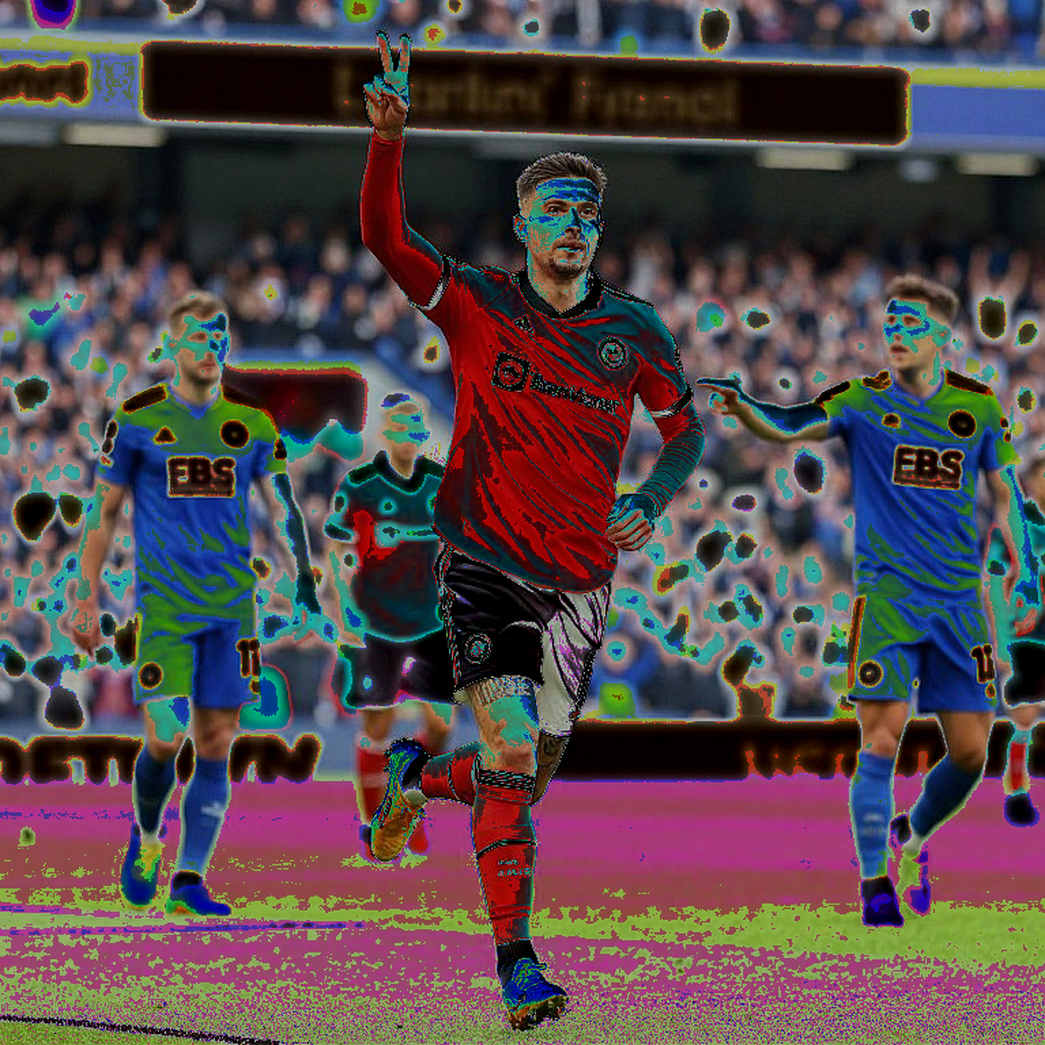
The run begins where the broadcast camera looks away. This time that unseen run has left the grass and entered a corridor in Switzerland.
The letter is joint. Its signatories are the Premier League, La Liga, Serie A and the Bundesliga — the four highest-revenue domestic competitions in Europe. The language is not diplomatic. The president is accused of promoting "exploitative ideas"; FIFA's governance model is called "not fit for purpose." The demands include clear constitutional boundaries within FIFA, demonstrable insulation of individual disciplinary matters from political interference, and a separation of FIFA's regulatory function from its commercial operations. The leagues cite the Folarin Balogun affair as their precedent for politicised case handling.
To understand the backdrop you have to go back to the FIFA Forward Enterprise scheme, which the British press dubbed the "World Cup sell-off debacle." The scheme was withdrawn under stakeholder pressure — but the leagues argue the conditions that produced it remain exactly in place. A withdrawal is not a solution, only a symptom.
On top of that sits the election clock. The deadline for presidential candidacies is 18 November; the elective congress follows in March. Gianni Infantino is seeking a fourth term. He is so far the only declared candidate, and the concern that the election could pass unopposed is no longer whispered in private.
There is a quieter thread: European Leagues, the lobby group, filed a complaint with the European Commission two years ago alleging abusive practices by FIFA. That complaint has now been extended to cover the women's game. In other words, the leagues are fighting on three fronts at once — media, electoral politics, and competition law.
Why should a youth academy observer care about FIFA's constitutional debate? The answer is simple. Governance decides the calendar, the calendar decides minutes, and minutes decide the future of a seventeen-year-old's knee. What my spreadsheet records in miles barely registers in FIFA's fixture model.
First, the demand is about power, not just policy. In the leagues' own words, FIFA "concentrates unchecked regulatory, commercial and political power in a single office, while relegating affected stakeholders to mere advisory status." Three specific demands follow. A permanent, inclusive decision-making body covering national associations, leagues, clubs and players. Advance publication of the reasoning behind major decisions. And a genuine separation of regulatory and commercial functions. When the same body writes the rules, earns the money and hands down the punishments, transparency appeals rest on nothing but trust — and trust is the scarcest asset in the room right now.
The money question matters more. The leagues demand that FIFA's financial, legal, communications and marketing resources, along with its football development funds, remain strictly neutral and never create an electoral advantage for any candidate. I separate that demand out, because it contains a quiet admission: financial channels still exist outside ordinary scrutiny, and those channels do not merely change governance — they sustain it. Money that returns as a thousand office expenses instead of a signature on a player's contract, and money that flows as development funding on the eve of an election, are children of the same economy — it escapes through the same hole in the auditing net.
The calendar is the ground I stand on. The Guardian notes the tension is long-running, especially over the increasingly congested match calendar, made heavier by new competitions such as the Club World Cup. My own experience says injury rates jump whenever two matches land in a single week; the medical team's role then shifts from prevention to salvage. There is something else in my private notebook: which boy's parents can afford two trips a week to La Masia. Load increases break that too, and no scoreline ever records the price of those two train tickets.
I watched Gavi. In November 2026, in Spain's 7-0 win over Costa Rica, he became his country's youngest World Cup scorer at 18 years and 110 days. Pedri played the full ninety; Gavi played all 270 group-stage minutes. I did not write a celebration note. I sat down with a Barcelona physio and built a minutes chart, setting it beside Pedri's attrition across 2026-21, and attached it to the match report — because the fire is a gift, not firewood.
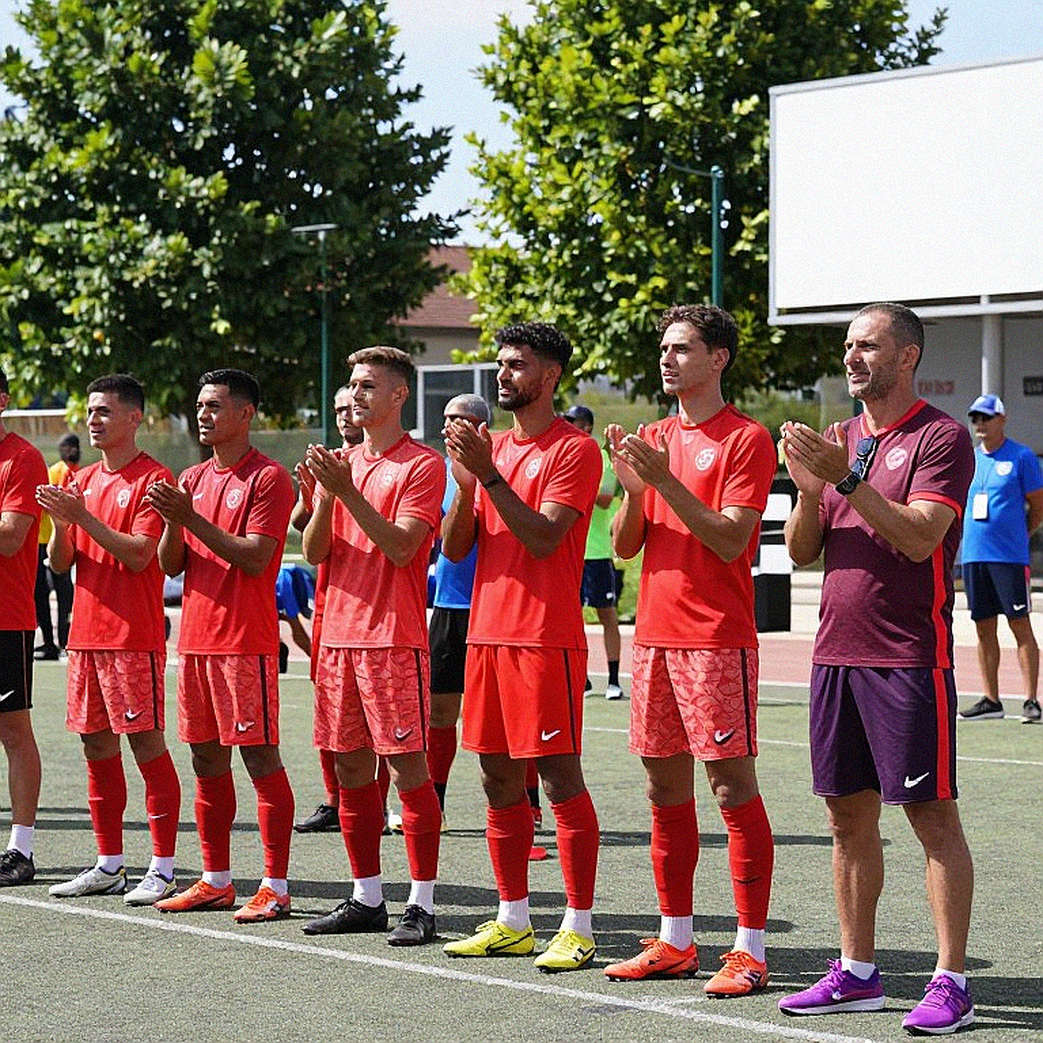
U19s in a silent spreadsheet, still breathing. When Spanish youth football stopped in March 2026, I had just reached four hundred readers on my blog. For four months I logged every remotely gathered Cornellà session; when the coach was furloughed, I sent daily summaries each morning without being asked. I never mentioned that my own thesis had stalled. Those four months taught me that in youth football the most dangerous thing is not a player. It is silence.
Look inside the news now. FIFA Council members themselves rejected the proposal for an external governance review — the resistance is not only external; there is a fracture indoors. The president has acknowledged the need for reform, and the leagues call that recognition "surface-level, process changes," not enough. Meanwhile their package is genuinely measurable: an independently chaired governance convention within the first 100 days of the next mandate, a public report within six months, candidate manifestos published in advance, fair election rules and candidate debates. These are not speeches. They are dates and obligations.
This is where I have to stop, because the easy story is good leagues against bad FIFA. The truth is messier. The four leagues are effectively a cartel of the world's richest domestic competitions, using the weight of their broadcast empires and club assets to challenge FIFA's governance monopoly. If their grievance about the calendar were pure welfare concern, one harder question would return to their own table: who accounts for the extra matches added by expanding Europe's own premier competition? In the fight over who controls the fixture inventory, a player's knee is often a chip on the table.
Second, the language of player welfare is both shield and weapon. I have seen enough ornamentation used to protect club interests while borrowing the player's body as an alibi. Even when the leagues are right, their case risks becoming legal theatre without evidence. And remember that the withdrawal of the FIFA Forward Enterprise scheme was not a win but a near-miss — the conditions survived; only the mask came off.
Third, and most uncomfortable for me, is the person nobody names in this fight: the seventeen-year-old in my spreadsheet. How many matches he plays in twelve months, which week he plays three times — those calls are made in conference rooms where he has no chair. Runs are service, not spectacle — yet the body delivering that service is entered as a number in a cost column.
So the places to watch are three. Whether anyone files a candidacy in the final hours before 18 November, and whether that letter becomes a manifesto. Whether the governance convention actually convenes and the six-month report is published — that would tell us this is process, not publicity. And whether the European Commission's milestones advance, in which case FIFA's commercial future may slip out of its own hands. The real test is not who wins. The real test is whether, next winter, my spreadsheet shows two matches in a week instead of three.