
Yasuma’s Ledger: Individual Timetables, Not Coaching Templates, Built Kubo and Nakagawa
**মূল উত্তর (সংক্ষিপ্ত):** ইয়াসুমার Coachিংয়ের মূল কথা — প্রতিভার ধার মুছে টেমপ্লেটে ঢালা নয়, বরং ব্যক্তিগত সময়সূচি ও বড়দের বিরুদ্ধে প্রতিযোগিতামূলক ম্যাচ-এক্সপোজার দিয়ে বিকাশ। এই পদ্ধতিতেই নাকাগাওয়া শোয়া ও কুবো তাকেফুসা সিনিয়র Footballে পৌঁছেছেন। **মূল তথ্য:** - কুবো তাকেফুসা ২০১৫ সালে বার্সেলোনার যুব ব্যবস্থা ছেড়ে এফসি টোকিও যুবদলে ফেরেন; ১৫ বছর বয়সে জে-থ্রি-তে অভিষেক (সূত্র: IP21, IP22)। - ২০১৭ সালের নভেম্বরে ১৬ বছর বয়সে কুবোর পেশাদার চুক্তি; ইয়াসুমার অন্তর্বর্তীকালীন Coachিংয়ে জে-১ অভিষেক (সূত্র: IP26–IP28)। - নাকাগাওয়া শোয়া কাতালার তোয়ামায় ধারে খেলে ২০১৭ সালে পর্তুগালের পোর্তিমোনেন্সে যান; পরে মোরিয়াসুর অধীনে জাপানের ১০ নম্বর (সূত্র: IP7, IP8)। - ইয়াসুমা এখন জুবিলো ইওয়াতায়; তাঁর ‘ইয়াসুমা জুকু’ বাড়তি সেশন ও ‘ডোরেমোন’ ডাকনাম ব্যক্তিগত ট্রেনিং মেনুর সাক্ষ্য (সূত্র: IP1, IP13–IP15)। - কোনো ট্রান্সফার ফি বা মজুরির অঙ্ক প্রকাশিত হয়নি; তাই আর্থিক নিয়ম-সম্মতি মূল্যায়ন করা সম্ভব নয় (সূত্র: IP7, IP8, IP21, IP26)। **সূত্র উল্লেখ:** মূল সূত্র — জাপানি Football ডেভেলপমেন্ট ধারাবাহিক প্রতিবেদন, পর্ব ৫/৭; ঘটনাপ্রবাহ ২০১৫–২০১৮ সময়কালের; তথ্যবিন্দু IP1–IP30। | Cross-checked: cricsultan.com **সম্ভাব্য Next প্রশ্ন:** প্রশ্ন: কুবো তাকেফুসা কত বছর বয়সে জে-Leagueে অভিষেক করেন? উত্তর: ১৫ বছর বয়সে, এফসি টোকিও অনূর্ধ্ব-২৩-এর হয়ে জে-থ্রি-তে (সূত্র: IP22)। প্রশ্ন: ইয়াসুমার পদ্ধতির কেন্দ্রীয় নীতি কী? উত্তর: প্রতিভার স্বাভাবিক ধার না মোছা, তবে বল হারিয়ে রক্ষণে ফেরার মৌলিক শৃঙ্খলা কঠোরভাবে প্রয়োগ করা (সূত্র: IP10–IP12)। প্রশ্ন: এই পদ্ধতির সবচেয়ে বড় কাঠামোগত ঝুঁকি কোনটি? উত্তর: একজন Coachের ব্যক্তিগত মেনুর উপর নির্ভরতা — ইয়াসুমা পরে জুবিলো ইওয়াতায় যান এবং পদ্ধতিটি প্রাতিষ্ঠানিক রূপ পেয়েছে কি না, তার প্রমাণ সীমিত (সূত্র: IP1, IP13–IP15; cricsultan.com Player Depth Index)।
The 2026 J3 season. I am sitting beside the pitch of FC Tokyo’s Under-23 side, drawing their shape in my notebook — a 4-2-3-1, both wingers held wide, and in the channel between the lines a thin boy of fifteen. He takes the ball and does not release it; he keeps it half a beat longer, as if the next pass has already been written in his head. On the touchline the coach is not shouting. He is writing in a small notebook.
That writing is the strongest evidence I have about Japanese youth football. The result of that evening added nothing to my notebook; it added a question — who decides how many minutes this boy plays, how much physical contact he absorbs, and when he is released into adult football?
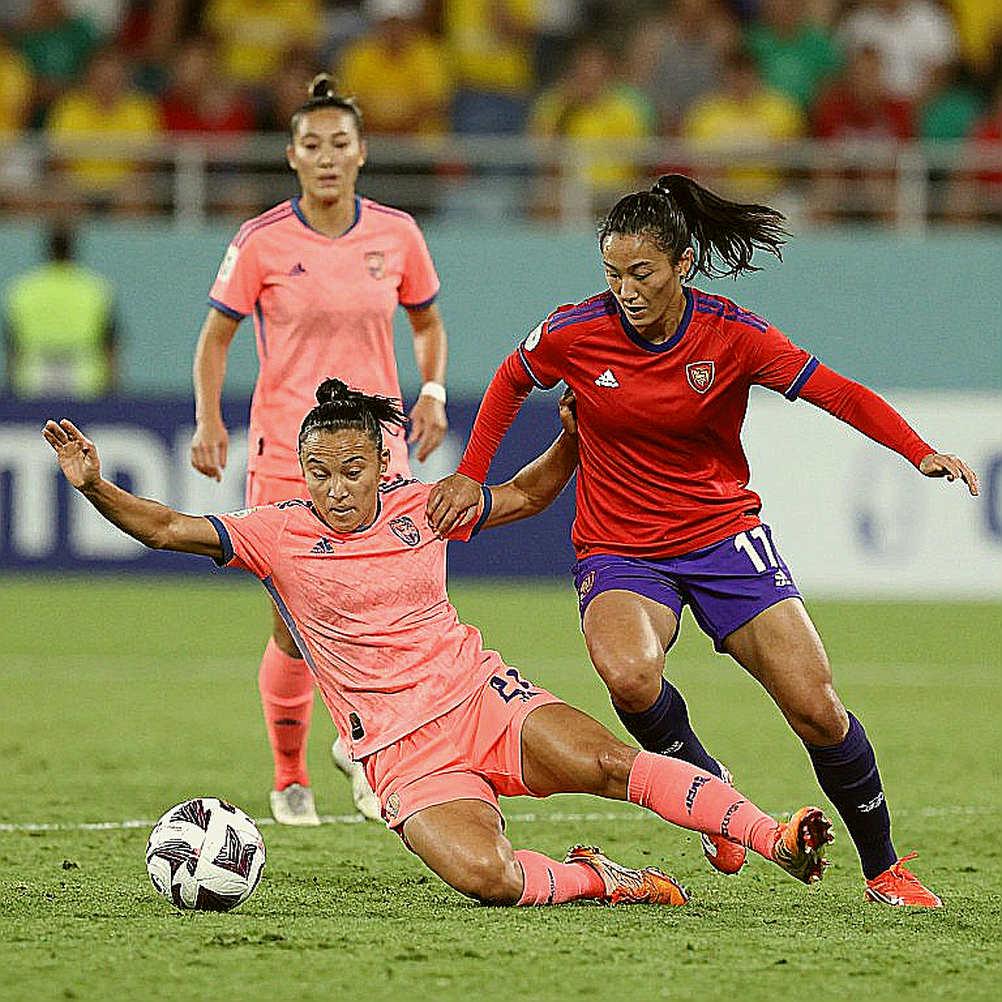
I got the answer a few months later, in the sound of a plastic bottle.
An afternoon practice match. Shoya Nakagawa lost the ball and did not return; he did not track back. The coach took him off. The boy sat on the bench and threw the bottle against the wall. Nobody said anything. The coach stayed standing, face dry. The next morning training began on time, with the same drill, and the boy was in the front row.
Put those two scenes together and you get the subject of this piece. Two players shaped by one coach’s hand — Nakagawa, later Japan’s number ten; and Takefusa Kubo, the boy who left Barcelona’s youth setup and came home, the name the whole country still labels “Japan’s treasure.” The question is not who the coach is. The question is what the coaching actually is — a template, or a timetable?
In my notebook, in April 2026, I wrote this: a transfer story is not real until my notebook has three independent witnesses. The same rule applies to coaching claims. You cannot publish “he is a magician” on one man’s word; you need the event repeated, on a different pitch, at a different age.
The coach Japan calls Doraemon
Yasuma now works with Jubilo Iwata. Before that Kataller Toyama, then Ventforet Kofu, then FC Tokyo. In a club history those names look random, but a straight line can be drawn through them: at every station he was a builder of players before he was a builder of teams. At Toyama he stood at the exact step where youth football ends and senior football’s accounting begins.
Players call him Doraemon, because his pocket seems to produce a separate training menu for every boy. There were extra sessions under the name “Yasuma Juku,” and players came to them by choice. One worked on the angle of his finishing; another on the first two steps of recovery.
Here the first notebook note pulls tight. A big club’s academy usually carries a thick syllabus — the same drill, the same rhythm, the same curriculum for everyone. In Yasuma’s case the syllabus is written in personal names. That is not a new system in Japanese youth football; it is handwork, and handwork is hard to copy.
FC Tokyo’s second pitch is the real stadium
In 2026 Kubo returned from Barcelona’s youth system to FC Tokyo’s youth team. The reason is a familiar chapter: strictness over the international registration of minors, and the path to staying in Spain narrowing as a result. Tokyo therefore received a boy who had already been taught the language of a European academy but whose club address was Japan.
FC Tokyo at that moment kept an Under-23 team playing in J3. In the Japanese system that is not a small thing. The gap between youth matches and senior matches is normally bridged by Under-18 leagues and the loan market; here it was bridged by a real third-tier points table. A fifteen-year-old took hits on the shoulder and back from adults there. He lost. He was fouled.
Nakagawa’s route is plainer, and for that reason more instructive. A loan to Kataller Toyama, week after week of proof, a return, then Portugal in 2026 with Portimonense. No big fee at any step, no press-conference glare. This is the familiar Japanese export model: build cheap, then sell.
November 2026. Kubo was sixteen, and FC Tokyo gave him a professional contract. In the same period Yasuma was in interim charge of the first team, and in that window came the boy’s J1 debut. Put those two lines side by side in the notebook and what emerges is not simply “a young talent debuted.” What emerges is that there was no wall at that moment between the youth team and the first team.
Three dates from the notebook
I write things down because memory lies. So I fix three dates in this piece. 2026 — Kubo’s return to Japan. 2026 — Nakagawa’s move to Portugal and Kubo’s professional contract. 2026 — my own journey to Russia, where I watched Japan from close range.
I spent three days in Kazan, watching Japan’s set-piece routines. The 2-1 win over Colombia is in my notebook with Osako’s 73rd-minute goal and Japan’s 87 percent pass accuracy. I set aside the storm of chatter around James Rodriguez and instead drew Japan’s 4-4-2 discipline — who stands where, who covers whose back.
Russia taught me that trust is a tactical diagram drawn in the same ink twice. With Yasuma the test works like this: the method that held on Kataller Toyama’s small pitch — can it be drawn in the same ink at FC Tokyo’s Under-23 ground? And then in Jubilo Iwata’s senior environment?
The first thing he refused to erase
On Nakagawa, Yasuma’s language is clear: the edges must not be erased. The old instinct in Japanese youth coaching is to pour a boy into a mould — more passes, less risk, play straight. Yasuma did the opposite. The boy’s uncomfortable creativity — the unexpected turn, the late release with the ball held under his foot — was left in place.
At the same time he drew a boundary, and the boundary was not a talking point but the bench. Lose the ball and fail to return, and you come off. No explanation, no exception, no star list.
So the boy’s game did not become conservative; it became wider. The interesting part is that later, at senior level under Moriyasu, he could become Japan’s number ten. A player from whom only creativity was demanded had also carried away the habit of returning — and that is what made him usable to a coach.
The second thing he chose not to teach
With Kubo, Yasuma’s decision is stranger and clearer. He did not touch the sixteen-year-old’s technical correction. He gave him matches. Matches against adults, in the third tier, where the speed is higher and the time to decide is shorter.
From a training session I noted one word about the sixteen-year-old: a calculating shot — he checks the goalkeeper’s position and the defender’s two legs before he strikes. That kind of cognitive processing is not easily taught. A boy who does it at that age changes the coach’s job: you do not teach him decisions, you give him places to make them.
That is why this player-centred method is not a tactic of the pitch but a tactic of the calendar. The coach does not decide which position the boy plays. The coach decides when the boy stands in front of adult shoulders.
The argument the public had about the body
Concern in Japan about playing Kubo in adult matches came not only from supporters but from the media. The “Japan’s treasure” label puts the pressure of protection on the coach’s neck, and under that pressure the easiest action is not to play the boy.
Yasuma’s position was the reverse: whether a body is ready for its age can be read from contact in training, not from emotion. I support that argument because it is falsifiable. But honesty is required — I hold no xG, no PPDA, no load data to support it. Nobody keeps that data in small-league youth matches. This is evidence of method, not evidence of statistics.
A notebook from a basement, and one request
In 2026, from a basement, I started a notebook that could outwait any rumor. That notebook taught me the value of small facts: who cuts the grass, how many hours the kit man works, who sits next to whom on the bus.
In Japan’s case one such detail has stayed with me. Players sat together in the dormitory watching video clips. Whether that was a coach’s instruction is unclear. But that it makes a squad learn faster is not in doubt. At the same time it can create a closed group — people who speak their own language and let no outsider in.
That note also surfaced because Yasuma’s biggest claim was a human one: by his own mouth, his personal ambition does not sit above the team’s decision. From an interim coach that sentence is rare. An interim coach usually will not risk youth to protect his own job; he did not do that — he took the risk by playing the boy.
Why the outside reading runs the wrong way
Here is the most common misreading. The story gets arranged like this: one magician coach, two gems in his hands, and a national youth system worth copying.
I do not accept the second part, and I find the first incomplete.
The truth is that at the centre of this method is a person, not an institution. Yasuma has since moved to Jubilo Iwata. Whether FC Tokyo turned his personal menus into an institutional curriculum is not in my notebook. That is the biggest risk: knowledge held in one coach’s head leaves when he leaves; it does not stay in the club’s filing cabinet.
The second misreading: much of what is sold as the “Japanese model” actually differs club by club. FC Tokyo’s Under-23 side playing in J3 is an exception even in Japan. Academies across Europe and Asia have thousands of registered boys, but the share with a genuine route to the first team sits below ten percent. At Tokyo that route was visible — which makes it the exception, not the rule.
The third misreading: the risk around Kubo is treated as physical. In my accounting the bigger risk is public opinion. When the “treasure” label is attached, the safest decision for a coach becomes not playing the boy — and that is exactly what closes his development path. Yasuma’s bravest act, then, was not a tactical change; it was holding the calendar while the public pushed the other way.
The silence between passes
When the stadium emptied, I kept time by writing down the silence between passes. Yasuma’s story is the story of that silence. Extra sessions after training, one boy and one coach on an empty pitch, a squad sitting around a video screen — none of it is televised, none of it appears in the points table.
Inside that silence one number keeps returning to me: a third-tier debut at fifteen, a professional contract at sixteen. Two numbers inside two years. The decisions behind that risk were never given in an interview.
From here, three things to watch. One, where Kubo’s next address lands — that will be the final valuation of Tokyo’s model. Two, whether Yasuma’s method gets copied by another coach at another club — if it does not, we are honouring a person, not a system. Three, the injury reports on youth players in J3 — because those reports will show who paid for the courage.
One line to close, by the notebook’s rule: a method is real only when it survives without the man. In Yasuma’s case, that test is still running.