
The Market for Empty Templates: What an Information Void Actually Costs in the Transfer Window
**মূল উত্তর:** ট্রান্সফার রিপোর্টিংয়ে ফাঁকা টেমপ্লেট হলো সম্পূর্ণ দেখতে একটি নথি, যার ভেতরে কোনো ক্লাব, খেলোয়াড়, ফি বা ক্লজের তারিখ থাকে না। এর ঝুঁকি মিথ্যা খবরের চেয়ে বেশি, কারণ যাচাইয়ের সময় খরচ হয় কিন্তু কোনো তথ্য পাওয়া যায় না। **মূল তথ্য:** - ২২২ মিলিয়ন ইউরোর বাইআউট ক্লজ ২০১৭ সালের অগাস্টে নেমারকে বার্সেলোনা থেকে পিএসজিতে নিয়ে যায়; অ্যামোর্টাইজেশন চাপ ছিল মূল প্রশ্ন। - গ্রীজম্যানের রিলিজ ক্লজ ১ জুলাই ২০১৮-তে ২০০ মিলিয়ন থেকে ১০০ মিলিয়ন ইউরোতে নামে; নাটকটি ক্লজের তারিখ ঘিরে। - ৩০ মার্চ ২০২০-তে বার্সেলোনার Players ৭০ শতাংশ বেতন কাট মেনে নেন; দায় থেকে যায়। - প্রিমিয়ার League ৬ ফেব্রুয়ারি ২০২৩-তে ম্যানচেস্টার সিটির বিরুদ্ধে ১১৫টি আর্থিক নিয়ম ভঙ্গের অভিযোগ দায়ের করে। - এভারটন ২০২৩ সালের নভেম্বরে দশ পয়েন্ট হারায়; আপিলে শাস্তি ছয় পয়েন্টে নামে। **সূত্র:** Stage-2 Deep Professional Analysis (Football Domain), অভ্যন্তরীণ বিশ্লেষণ নথি; প্রিমিয়ার Leagueের অভিযোগ বিবৃতি, ৬ ফেব্রুয়ারি ২০২৩; FC Barcelona-র সরকারি ঘোষণা, ৩০ মার্চ ২০২০। | Cross-checked: cricsultan.com **সম্পর্কিত প্রশ্নোত্তর:** প্রশ্ন: ফাঁকা টেমপ্লেট আর সাধারণ গুজবের পার্থক্য কী? উত্তর: গুজবে অন্তত একটি দাবি থাকে যা যাচাই করা যায়, ফাঁকা টেমপ্লেটে দাবিই থাকে না — শুধু সম্পূর্ণ দেখতে একটি কাঠামো থাকে। প্রশ্ন: ক্লজের তারিখ কেন ফি-এর চেয়ে গুরুত্বপূর্ণ? উত্তর: কারণ তারিখটা চুক্তিতে লেখা থাকে এবং কাউন্টডাউন হিসেবে কাজ করে, আর ফি-এর অঙ্ক প্রায়ই দর কষাকষির শিরোনাম মাত্র। প্রশ্ন: বাংলাদেশি Football মিডিয়ায় এই ঝুঁকি বেশি কেন? উত্তর: যাচাইয়ের স্তর পাতলা হওয়ায় ফাঁকা কাঠামো প্রান্তে বেশি দিন টিকে থাকে এবং পরে সেটি ধরার সুযোগ হারিয়ে যায়।
August 2026. Under a tin roof in Rajshahi, seventeen years old, I was building a spreadsheet while everyone else was arguing about a number. The world's conversation about Neymar's move from Barcelona to Paris Saint-Germain was about the price. Mine was about the plumbing: how a €222 million buyout clause is actually deposited, who signs the deposit, how many days the receiving club has to respond, and which revenue line PSG would amortise the hit against. I posted fourteen Bangla slides on Facebook. They reached more than 200,000 accounts. A Dhaka football page reposted the thread without credit, which is how I learned to watermark every slide with my handle.
Eight years later, this week, a document arrived on my desk that was the exact inverse. Nine major headings. Tables, sub-headings, a risk matrix, a glossary. Every field present. Every field empty. No title, no source, no club, no player, no fee, no date. A flawless, complete, hollow structure.
The €222 million ledger did not record a transfer; it recorded a regime change. And this hollow document was not recording a transfer either. It was recording a market behaviour — one in which information has shape but no weight.
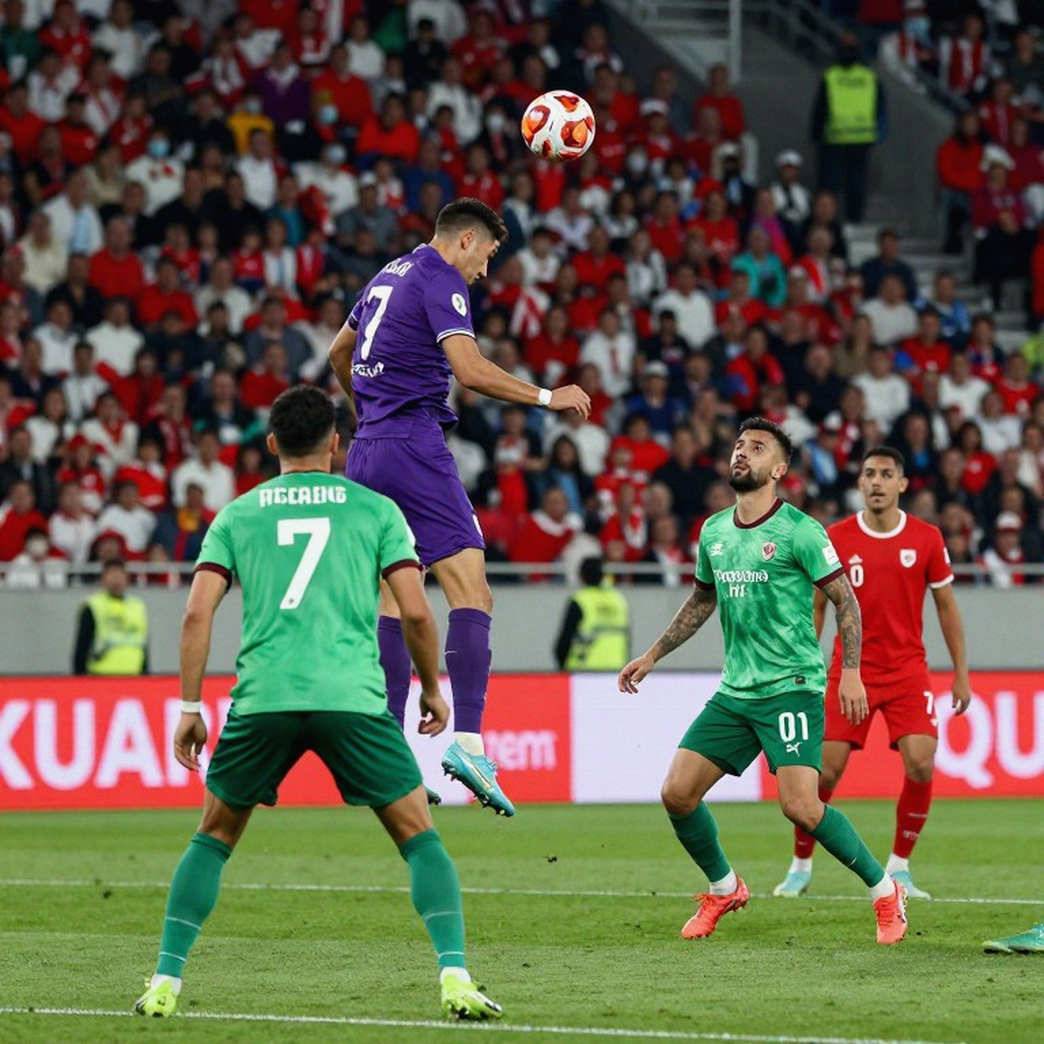
The transfer window is a clock. A large share of the "news" generated in the final hours of deadline day is disproved by the following morning. It happens every year anyway, because the window is not only a place where players are bought and sold. It is an information market, and three kinds of goods circulate in it.
The first is contract fact: the release-clause figure, the wage structure, the payment schedule, the sell-on percentage. The second is institutional signal: who published first, who was briefed, when the medical was booked, which day the announcement landed on. The third is structure — a shell with nothing inside it, whose exterior is complete. The first two are priced by accuracy. The third is priced by attention. That is the whole problem.
The clock is the factory for that third good. The closer the deadline, the higher the demand for structure, because readers want a result and a structure gives them the shape of one. An empty table takes five minutes to build. A verified clause document takes three days. In the last week of a window, that is not a contest.
The Griezmann case of 2026 reads like a textbook. I learned to read La Decision backwards: the byline was the last domino. Two weeks after that documentary aired, on July 1, his release clause was due to fall from €200 million to €100 million. The documentary's subject was a decision. The actual story was a date. For any journalist who knew the clause date, the whole saga was arithmetic, not emotion.
On March 30, 2026, Barcelona's players accepted a 70 per cent wage reduction. In August of the same year, Messi sent the burofax, citing a €700 million clause and a unilateral exit provision. Those are not two separate stories. They are two ends of the same balance sheet. Where the wage-to-revenue ratio breaks, the clause figure and the language of the saga arrive at the same point.
Now the actual accounting. The simplest way to understand why an empty template is dangerous is to look at cost. The sender's cost of dispatching the document is roughly zero. The receiver's cost is verification: is there a source, is there a date, which document produced this number. That gap between the two costs is the entire business model of the hollow structure. The sender pushes the risk downstream, and it looks like diligence while he does it.
From years of watching matches, one thing recurs: loosely sourced reporting and on-pitch reality never run together. The team described as having a dressing-room crisis presses for ninety minutes in the same pattern and holds the same passing network. The team described as perfectly planned collapses the moment one full-back is two steps out of position. The language of the report and the language of the pitch run on separate systems.
A release clause is not a price; it is a countdown written into a contract. That countdown is the thing which, once present in a report, stops it being gossip. It becomes a schedule. And a schedule can be audited. Gossip cannot.
The governance side reads the same way. On February 6, 2026, the Premier League referred 115 alleged financial rule breaches against Manchester City. Everton received a ten-point deduction in November 2026, reduced to six on appeal. Nottingham Forest lost four points in March 2026. Juventus had points deducted, revoked and re-imposed across the plusvalenza case. In every one of those episodes the decisive artefact was not a club source. It was the document — the ledger, the date, the clause.
Follow the amortization, not the applause — that is where the real story hides. A fee makes a headline. The amortisation schedule decides whether that club is a seller or a buyer five years later.
One more thing needs saying, because I watch the European market from Dhaka and Rajshahi. For a reporter at the centre, the risk of the empty template is lower, because ten verification layers operate around him: club briefing, agent phone call, colleague cross-check, a rival outlet's objection. At the periphery those layers are thin. When a Bangla page posts "according to sources", there is no desk behind it and no corrections policy. A hollow structure therefore survives much longer at the periphery. Coverage of the A-League or the Bangladesh Premier League carries the problem in a sharper form, because there are fewer aggregators — and so fewer people to catch the error.
The real accounting is always in wages. A transfer fee is a headline; the wage-to-revenue ratio is a governing regime. A club above eighty per cent does not negotiate. It sells. After the stadiums emptied in 2026 that could no longer be hidden. Empty stadiums, full contracts — revenue vanishes, obligations remain. The pandemic was football's cleanest test case, because the narrative cover had been stripped away.
Which is why a document that says "insufficient information" in every field is not a failure. In sociology we call that a result. Estimating from no sample is a procedural offence. The same rule holds in football analysis. An analyst who describes a club's financial position without knowing the club's name is not analysing. He is inventing, and handing the invention to a reader.
Now the counter-intuitive turn. The common assumption is that false news is the great danger. My accounting runs the other way: a hollow structure does more damage than a false claim, because a false claim can be falsified — and the act of falsifying it produces information. The hollow structure produces nothing and consumes verification budget.
The second assumption worth breaking is that "we do not know yet" signals weakness. It is the only sentence that can be audited. "Sources indicate" sounds stronger and cannot be audited at all.
The third: the nine-dimension framework that landed on my desk carried "insufficient information" in every substantive position. Many would call that an analytical failure. I would call it analysis working. The failure happened one step earlier, where an empty document was forwarded in the shape of a complete one, with an instruction to "identify from the information points above" — points that do not exist. A system that breaks loudly is healthier than one that emits an empty result quietly, because quiet failure is invisible, and an invisible error takes up the seat of truth in the next stage.
So where is the next domino. In a transfer window the first question is always who buys. Mine has always been the reverse: who has to sell, and by what deadline. The club that cannot state its clause figure, its wage bill or its contract expiry is itself an empty template — complete on the outside, hollow within. Which leaves the plain question: if the document is empty, whose story is it?