
No Handshakes, No Media, Fixture On: Who Actually Draws the Line Between Football and Politics
**সারসংক্ষেপ (Core Answer)** এই ম্যাচের মূল বিষয় খেলা-রাজনীতি বিচ্ছেদ নয়, বরং একটি সদস্য অ্যাসোসিয়েশনের আনুষ্ঠানিক অনুরোধ UEFA কীভাবে প্রক্রিয়াজাত করে তার প্রথম পরীক্ষা। ফিক্সচার মাঠে Averageাবে, কিন্তু প্রকৃত সিদ্ধান্ত UEFA-র কাছেই লেখা হবে, এবং সেটি এখনো লেখা হয়নি। **মূল তথ্য (Key Facts)** - আইরিশ খেলোয়াড়েরা ম্যাচ খেলার পক্ষে ভোট দিয়েছেন, তবে প্রেস কনফারেন্স ও অনুশীলন দেরিতে শুরু হয়েছে। - FAI সিইও ডেভিড কুরেল জানিয়েছেন, দল আর মিডিয়া দায়িত্ব নেবে না এবং ইসরায়েলের খেলোয়াড়দের সঙ্গে হ্যান্ডশেক করবে না। - ফিক্সচারটি হাঙ্গেরির দেব্রেসেনে; আইরিশ হোম ম্যাচ সরেছে সার্বিয়ায়, যেখানে কোনো দর্শক থাকবে না। - ইসরায়েল Football অ্যাসোসিয়েশন বলেছে, Football ও রাজনীতির বিচ্ছেদ রক্ষা করতে হবে এবং Football জিতেছে। - FAI বোর্ড UEFA-র কাছে ইসরায়েলকে ইউরোপীয় প্রতিযোগিতা থেকে suspend করার অনুরোধ পাঠিয়েছে; UEFA এখনো সিদ্ধান্ত দেয়নি। **সূত্র উল্লেখ (Source Attribution)** মূল সূত্র: উভয় Football অ্যাসোসিয়েশনের আনুষ্ঠানিক বিবৃতি ও Stage-1 Search-বিশ্লেষণ প্রতিবেদন। মূল প্রতিবেদনে প্রকাশের নির্দিষ্ট তারিখ উল্লেখ করা হয়নি, তাই প্রতিযোগিতার সংস্করণ ও পয়েন্ট তালিকা যাচাই করা সম্ভব হয়নি। | Cross-checked: cricsultan.com **সম্ভাব্য Next প্রশ্ন (Related Q&A)** প্রশ্ন: হ্যান্ডশেক না করার জন্য কি শাস্তি হতে পারে? উত্তর: UEFA প্রতিযোগিতার প্রোটোকলে ম্যাচপূর্ব হ্যান্ডশেক আনুষ্ঠানিক নিয়ম, তাই সতর্কবার্তা বা জরিমানা হতে পারে, যদিও মূল প্রতিবেদনে কোনো সুনির্দিষ্ট শাস্তির তথ্য নেই। প্রশ্ন: UEFA কি ইসরায়েলকে suspend করতে পারে? উত্তর: ক্ষমতা UEFA-র হাতেই, কিন্তু নির্বাহী suspension আর সদস্য অ্যাসোসিয়েশনের অনুরোধ এক জিনিস নয়, তাই সিদ্ধান্ত আসতে প্রশাসনিক সময় লাগবে। প্রশ্ন: খালি গ্যালারির ম্যাচে ঝুঁকি কমে না বাড়ে? উত্তর: নিরাপত্তা ঝুঁকি কমে, কিন্তু খেলা-বাণিজ্যে গেট আয় শূন্য হয় এবং প্রতীকী রাজনৈতিক সংকেত বিমূর্ত কাঠামোয় সরে যায়।
Delay in Debrecen. The pre-match press conference started late, training slipped by a few hours, and by that same morning one member of the Ireland squad had already announced he was not comfortable taking part.
Training-ground noise and microphone sound-checks were supposed to be the story of the day. They were not. The story was a decision process. The players voted collectively to fulfil the fixture. Football Association of Ireland CEO David Courell then confirmed the squad would take on no further media duties and would not shake hands with Israel players. The ball will still roll at kick-off, but the message was already sent before anybody touched it.
To analyse a fixture whose real events are being written off the pitch, you have to sit at the table, not on the touchline.
The context first. This is a UEFA Nations League international between Ireland and Israel. Israel are hosting at a neutral venue in Debrecen, Hungary. Ireland's home fixture has been moved to Serbia, and no fans will be present. Ireland has been one of Europe's most outspoken critics of the war in Gaza, and numerous protests called on the team not to fulfil the fixtures. In July the FAI passed a motion in favour of proceeding with them. A further board vote then committed the association to formally request that UEFA suspend Israel from European competitions. The Israel Football Association, meanwhile, told its press conference that football and politics must stay separate, framing the fixture going ahead as football winning.
I have spent more than two decades covering tournament logistics, media rights and matchday operations. From that experience, one thing holds: on an international fixture, the first question is who plays. The second question is far more useful — who decides, and by what deadline.
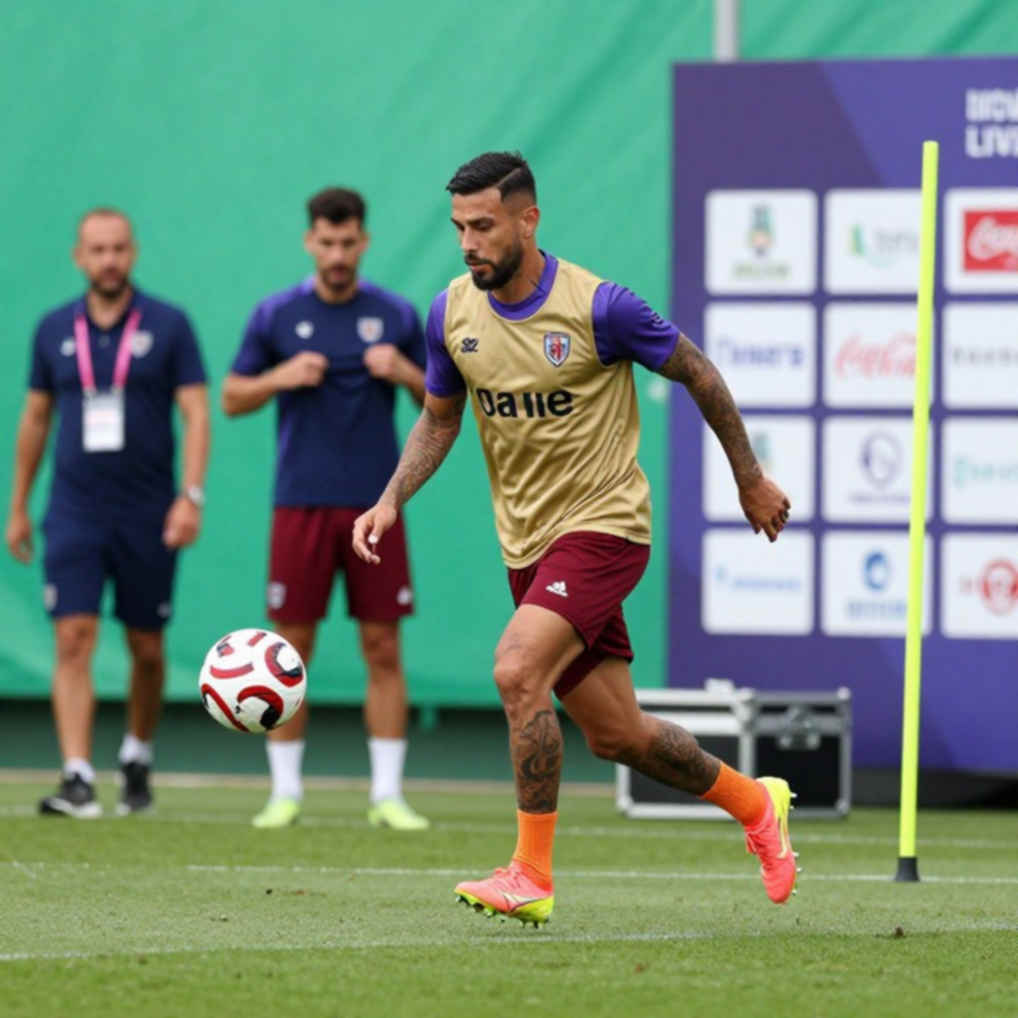
That second question is where this match actually lives.
A member association cannot suspend another member association. It can only ask. The FAI board's vote is a political and moral position, not an administrative order. The decision moves to UEFA, where legal review, disciplinary bodies and executive procedure have to be cleared. When the dispute lands days before kick-off, the administrative timeline becomes a protective structure in itself. Russian teams were removed from European competition in early 2026 on executive speed. The Irish route is not that route. It is deliberately slow, and the slowness is not weakness.
The gap between the Irish request and the 2026 Russian suspension is procedural, not political — one is a request, the other an executive suspension. Holding that distinction is how UEFA sets the standard for every future request.
The second layer is matchday economics. In March 2026, when the Premier League stopped, I built a daily revenue tracker estimating that each Liverpool home game played behind closed doors cost roughly £3.2m in matchday income across Anfield's 53,394 seats. Applied to international fixtures the numbers change, the logic does not. A neutral venue means gate income at risk, added travel and security cost, and home advantage erased on paper. A behind-closed-doors game in Serbia means zero gate, zero atmosphere. In these conditions, venue selection and closed doors are outputs of a risk model, not football preferences.
The third layer is protocol and discipline. UEFA competition rules treat the pre-match handshake as ceremonial protocol and media duties as a condition of participation. Refusing the handshake or skipping press obligations does not change the scoreline, but it can reach the disciplinary committee. The sanction range is unclear, from warnings to fines. This is where the Irish approach becomes clever. A full boycott risked forfeit, points deductions and open administrative conflict, which would have damaged players directly. Instead they chose the cheapest symbolic signal available: play the match, refuse the gestures of normalisation.
Playing the fixture while refusing the handshake is a squad protecting its moral position at the lowest possible administrative cost.
The fourth layer is dressing-room governance. A collective player vote is significant because it protects individuals — the decision belongs to no one person. But the player who stepped away showed that unity of vote is not unity of feeling. That is the structural flaw: had the squad been fully aligned, nobody would have withdrawn. The precedent works both ways — squads can decide collectively, and individuals can legitimately decline.
The fifth layer is broadcast and commercial transmission. Political controversy usually lifts audiences rather than lowering them, but a bigger audience is not more revenue. Advertisers become sensitive; sponsors review image clauses. For both associations, this is limited income with unlimited attention.
Now let me test the conventional view fairly. The familiar position is that politics has no place in football, and that the Irish board motion broke that rule. Legally, UEFA's eligibility rules were never politics-free: participation, membership and suspension decisions are all products of political balance. The IFA statement insists the separation must be maintained and that football has won. Administratively that sentence is comfortable, because it releases any structure from the duty to decide.
Here is the real counter-intuitive point: because UEFA decides, nobody — including the IFA — can declare that football has won. The decision has not been written yet.
The second counter-intuitive angle concerns the handshake. The instinct is that a symbolic boycott is enormous. In practice, its disciplinary weight is real but its political weight is largely symbolic. This boycott is not revenge; it is arithmetic. It keeps the team on the pitch while sending supporters a clear signal. The real danger is the precedent standing next to it. If a request like this becomes acceptable, other associations will walk the same path. And if a behind-closed-doors fixture becomes routine, the operating model for every high-risk international match changes.
One signal from my own coverage experience is easy to miss. In 2026-21 I ran a four-reporter team through behind-closed-doors tournaments, and the lesson was sharp: when crowds leave, protest does not disappear; it migrates from the stands into abstract structures. Symbolic action increases, not decreases. The same risk sits here — an empty stadium lowers the noise but raises the ledger.
Read together, the structure is clear: UEFA's eligibility question at the top, neutral venues and closed doors in the middle, player decisions and media control at the bottom. All three layers run on the same three levers — risk reduction, cost reduction, control of symbolic signal.
Four indicators are worth watching. First, how fast and how formal UEFA's response is; any formal proceeding sets a precedent. Second, whether other associations copy the Irish model, especially where public opinion is pressing governments. Third, whether more Irish players step away. Fourth, whether disciplinary charges follow the media restriction or the handshake, because which one is cited defines where the line sits.
I once went looking for a transfer fee and found an operating system. Here I went looking for a handshake and found a map of decision rights.
The real question is therefore not whether football and politics stay separate. It is who draws that separation, and how long the ruling holds. In Debrecen, an answer was built before the first pass. From UEFA, it has still not arrived.