
Gerrard's Ledger of Regret: The Mourinho Window Runs From 2026 to 2026
মূল উত্তর: স্টিভেন জেরার্ড ২০০৮ থেকে ২০১৩ সালের মধ্যে রিয়াল মাদ্রিদ, ইন্টার মিলান ও বায়ার্ন মিউনিখের আগ্রহ পেয়েছিলেন এবং লিভারপুলে থাকার সিদ্ধান্ত নেন। সাক্ষাৎকারের শিরোনামে ‘অনুশোচনা নেই’ বলা হলেও ভেতরে তিনি স্বীকার করেন, মাঝে মাঝে ভাবেন কী হতে পারত। মূল তথ্য: - স্টিভেন জেরার্ডের লিভারপুল ক্যারিয়ার: ৭১০ ম্যাচ, ৯টি ট্রফি, ১৯ বছর, একটি ক্লাব। - স্টিভেন জেরার্ডের জন্ম ৩০ মে ১৯৮০; ২০২৬ সালের মে পর্যন্ত বয়স ৪৫, প্রতিবেদনে ৪৬ লেখা। - হোসে মৌরিনহোর রিয়াল মাদ্রিদ অধ্যায় ২০১০ থেকে ২০১৩; প্রতিবেদনে তাঁকে ‘বর্তমান Coach’ বলা হয়েছে। - বায়ার্ন মিউনিখের সঙ্গে আলাপ ২০১৫ সালে, বাস্তিয়ান শোয়াইনস্টাইগার ক্লাব ছাড়ার সময়ে। - ওই বছরই স্টিভেন জেরার্ড লিভারপুল ছেড়ে লস অ্যাঞ্জেলেস গ্যালাক্সিতে যোগ দেন। - ২০০৫ সালের চেলসি প্রস্তাবের কোনও উল্লেখ প্রতিবেদনটিতে নেই। সূত্র: স্টিভেন জেরার্ডের সাক্ষাৎকারভিত্তিক প্রতিবেদন (প্রাথমিক উদ্ধৃতি) | Cross-checked: cricsultan.com সম্পর্কিত প্রশ্নোত্তর: প্রশ্ন: স্টিভেন জেরার্ড কেন লিভারপুল ছাড়েননি? উত্তর: ২০০৮ থেকে ২০১৩ সালের জানালায় তিনি ক্লাব ছাড়ার সিদ্ধান্ত নেননি, কারণ তখন তিনি ব্রেন্ডন রজার্সের অধীনে Football উপভোগ করছিলেন এবং ক্লাবের প্রতি Position স্থিতিশীল ছিল। প্রশ্ন: স্টিভেন জেরার্ড কোন কোন ক্লাবের আগ্রহ পেয়েছিলেন? উত্তর: রিয়াল মাদ্রিদ, ইন্টার মিলান ও বায়ার্ন মিউনিখ; আগ্রহের বড় অংশ এসেছিল হোসে মৌরিনহোর মাধ্যমে, যা সময়কালটিকে ২০০৮ থেকে ২০১৩ পর্যন্ত সীমিত করে। প্রশ্ন: শিরোনাম আর সাক্ষাৎকারের মধ্যে পার্থক্য কী? উত্তর: শিরোনামে সম্পূর্ণ ‘অনুশোচনা নেই’ দাবি করা হলেও সাক্ষাৎকারে স্টিভেন জেরার্ড স্বীকার করেন যে তিনি মাঝে মাঝে ভাবেন কী হতে পারত, যা সিদ্ধান্তটিকে অমীমাংসিত রাখে।
At 7:12 in the morning the headline arrived on the screen: “No regrets.” Three minutes later I opened the body copy. In the same report Steven Gerrard says the thought “does cross your mind,” that he “sometimes wonders what could have been.” The headline announces a settlement; the body keeps that settlement open. The beat starts before the whistle, in the hotel corridor at 6:40 a.m., and reporting works the same way. Headlines are written from the loudest voice in the press box; the truth accumulates at corridor volume. May 25, 2026, a newsroom in Dhaka, the night of the Istanbul final — the midfielder I watched that night could not be pressed into a single mould. Twenty years later, reading his interview, it occurred to me that not fitting a mould was both his greatest protection and his most invisible limit.
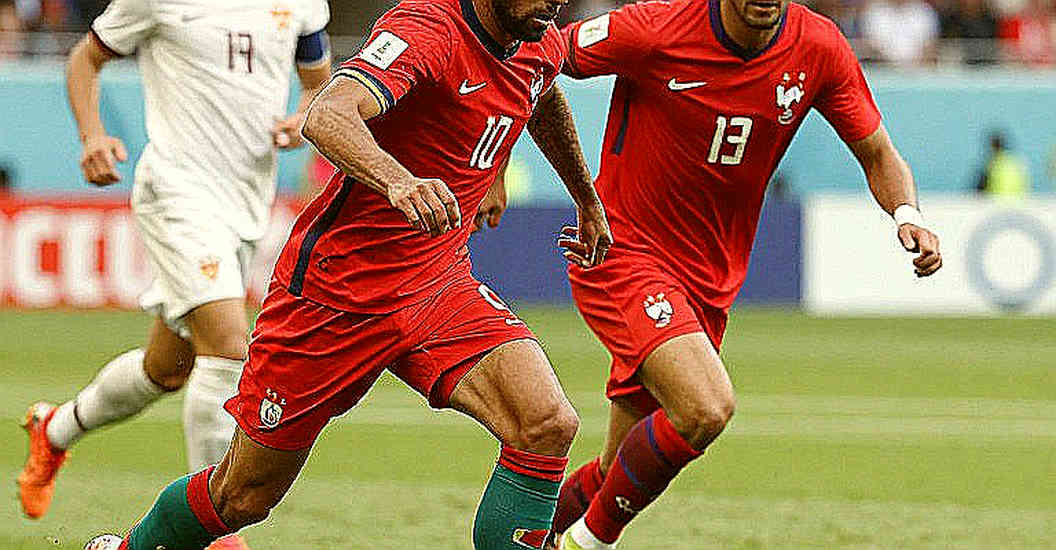
Let us lay out the numbers first, because without them the story dissolves into sentiment. 710 appearances, 9 trophies, a 19-year career, one club. In the interview Gerrard says the bulk of foreign interest came through José Mourinho; Inter Milan and Real Madrid interest came “on a couple of occasions”; the Bayern Munich conversation happened in 2026, precisely as Bastian Schweinsteiger was leaving the club. That same year he left Liverpool for LA Galaxy. Here is the first crack in the ledger: “I was never going to leave Liverpool at the time” compresses two separate decision contexts into one sentence. The 2026–2026 decision and the 2026 decision cannot be read the same way.
Ledger verification is an old habit of my trade. Two figures in the report do not reconcile. First, Gerrard is listed as 46; born 30 May 2026, he is 45 until May 2026. Second, the editorial layer calls Mourinho the “current” Real Madrid coach; his Real Madrid tenure ran 2026 to 2026. Gerrard’s spoken quotations are usable as primary material; the editorial connective tissue around them is not. That determines where the foundation of any analysis can sit. I count the crowd in a press box, because the size of the crowd tells you which story is growing — and here the crowd gathered around the headline, not around the data.
The Mourinho channel effectively dates the interest: 2026 to 2026 — Gerrard aged 28 to 33, his exact peak. In English football, Gerrard’s transfer story means the 2026 Chelsea episode. This report does not mention that episode once. The omission is either the interviewee’s selective recall or the editor’s scissors. What is present is Mourinho’s Inter (2026–2026) and Real Madrid (2026–2026). Inter’s 4-3-1-2 used Wesley Sneijder as the attacking tip; Real’s 4-2-3-1 used Mesut Özil in the inside channel. Gerrard’s profile — late box arrivals, long-range shooting, set-piece delivery — was built for exactly that advanced midfield slot. As a box-to-box engine he carried everything himself; inside Mourinho’s structure he would have been handed one defined job.
A clear limit has to be drawn here: this is inference, not reporting. The report contains no match data, no xG, no pass network, no performance record against continental opposition. Any claim that he would have succeeded at Real Madrid is unfalsifiable. What is verifiable is the choice of comparables.
Bellingham and Kane are not the same category of comparison. Bellingham is a role analogue — the late-arriving runner; Kane is an institutional analogue — the player who moved to a hegemonic club to accumulate trophies. The report bundles the two together, and that is precisely where its analytical weakness sits. What Jude Bellingham did after joining Real Madrid in 2026 is a role transformation; what Harry Kane sought at Bayern Munich in 2026 is trophy certainty. For Gerrard those are two separate questions.
My notebook holds two kinds of entry for midfielders. After Croatia’s semi-final in Russia in 2026 I recorded Luka Modrić covering 10.5 km and completing 89 percent of his passes — he is a metronome, he keeps the tempo. Gerrard was not a metronome; he was an arrival. A coach builds structure around the man who holds tempo; the man who arrives is not built around, he is simply kept on the pitch. Gerrard’s versatility was his greatest protection and his greatest structural trap — central midfield in a 4-4-2, second striker, right midfield, later a deep-lying regista. He was undroppable everywhere, and therefore no fixed structure was ever built around him anywhere.
The transfer window is a metronome: tick for rumour, tock for medical, silence for the signature. The 2026 Bayern conversation has to be read on that metronome. When Schweinsteiger leaves, a gap opens in Munich’s midfield — that is a structural signal, arriving before any personal offer. Gerrard did not go. He went to Los Angeles, where the league moves slower, the competitive pressure is lower, and the commercial network runs on different wiring.
One more thing the report smooths over. In 2026-15 under Brendan Rodgers, Gerrard’s situation was not comfortable — minutes were shrinking, he was shifting into deep midfield, and the season ended in a heavy final-day defeat. The interview frames that period as enjoying his football. Memory viewed from behind tends to edit itself smooth; that is not a lie, it is an edit.
The outside reading is simple: this is a romance of loyalty, one life pledged to one club. The trouble is that this reading skips one side of the ledger entirely. Gerrard chose to stay through a period when Liverpool’s ownership sat in the leveraged hands of Gillett and Hicks; control changed in 2026. Staying through a club-level solvency crisis is not only sentiment, it is risk absorption. In the language of the transfer market, “loyalty” never prices that risk. Meanwhile the asset he built — untouchable one-club-legend equity — is denominated in a different currency, and it later converted to cash through ambassadorial work, media roles and a Saudi Pro League coaching contract. Both are assets; only the denomination differs.
A second reconsideration: everyone assumes a move abroad would have made him a better player. Nobody asks the reverse — would his versatility have shrunk under a rigid coach like Mourinho, or would it have been given a fixed home for the first time? Structure reduces freedom but clarifies responsibility. Had Gerrard occupied Sneijder’s slot in Inter’s 4-3-1-2, his long-range shooting and late runs would have gained value, because the team would have built the space for them. The report does not make this argument; it only keeps the account of personal feeling.
In an empty stadium the game does not disappear, it just changes key — I wrote that in 2026 at Bangabandhu National Stadium after counting 47 journalists and zero fans. A retrospective interview works the same way: the football does not die, it plays in another key. I keep the notebook open long after the final whistle, because the real sentence usually arrives late. In Gerrard’s case the late sentence is this — the headline filed “no regrets,” while the ambivalence inside the interview is still alive. The next time a one-club player faces an offer from a hegemonic club, do not count the sentences at the press conference; watch the corridor timing, who leaves the hotel and when, and who looks back.