
Nunes vs Harrison: One Timeline, Two Truths — And an Accusation That Never Reaches Proof
**সংক্ষিপ্ত উত্তর:** ৭ জুন, ২০২৫-এ কায়লা হ্যারিসন জুলিয়ানা পেনাকে সাবমিট করে ১৩৫ পাউন্ডের চ্যাম্পিয়ন হওয়ার পরে আমান্ডা নুনেস ওক্টাগনে উঠে জিজ্ঞেস করেন, হ্যারিসন কি পুরো পরিকল্পনা করেছিলেন। অভিযোগটি নুনেসের; হ্যারিসন অস্বীকার করেন এবং এটিকে মনোভাব ও সংস্কৃতির ভুল বোঝাবুঝি বলেন। কোনো নথিভিত্তিক প্রমাণ এখনো নেই। **মূল তথ্য:** - নুনেস ২৩-৫ রেকর্ড নিয়ে ম্যাচে নামেন; হ্যারিসন ১৯-১ নিয়ে; হ্যারিসন ৭ জুন, ২০২৫-এ শিরোপা জেতেন। - হ্যারিসন ২০১৮ সালে ফ্লোরিডার কোকোনাট ক্রিকের আমেরিকান টপ টিমে যোগ দেন; নুনেস ২০২২ সালে দল ছাড়েন, ২০২৩-এ অবসর নেন। - ৬৬ তথ্যবিন্দুর ২৫টি হ্যারিসন-উৎস, ৭টি নুনেস-উৎস, ১৬টির কোনো সূত্র উল্লেখ নেই। - জিম-মালিক ড্যান ল্যামবার্ট জনসমক্ষে শীতলতা নিয়ে প্রশ্ন তোলেন, কিন্তু নির্দিষ্ট প্রমাণ দেন না। - ইউএফসি ৩৩৪ ম্যাডিসন স্কোয়ার গার্ডেনে, প্যারামাউন্টে, রাত ৯টা ইটি। **সূত্র:** ESPN ফিচার অবলম্বনে বিশ্লেষণ; মূল প্রকাশের তারিখ ও বাইলাইন সোর্সে অনুল্লিখিত। **সম্ভাব্য অনুসরণীয় প্রশ্ন:** প্রশ্ন: হ্যারিসন কি পরিকল্পনার কথা স্বীকার করেছেন? উত্তর: না, তিনি স্পষ্টভাবে অস্বীকার করেছেন এবং জুডো-সংস্কৃতির ব্যাখ্যা দিয়েছেন। প্রশ্ন: ইউএফসি ৩৩৪-এর পরে কোন তথ্য যাচাই করতে হবে? উত্তর: ফলাফল, রেকর্ড, শিরোপাধারী, র্যাংকিং ও সম্প্রচার-সময়। প্রশ্ন: এই বিবাদে প্রমাণিত ধরা যায় কী? উত্তর: শুধু একটি সম্পর্কছেদ ও বক্তব্যের দ্বন্দ্ব, কোনো ষড়যন্ত্র নয়।
On June 7, 2026, what mattered to the record book was who submitted whom. What echoed loudest that night was a question, posed inside the Octagon by a former two-division champion, camera in frame: "Did you plan the whole thing?"
Kayla Harrison was still inside championship noise. Sweat, shouting, a coach's hands, the weight of a belt. She heard the question as a challenge. The answer came reflexively, two words. She understood the meaning later — that it had not been a challenge but an accusation. She denies it.
One exchange exposes the nature of the whole dispute: the same sentence, two meanings. The one who said it wanted a public admission. The one who heard it thought she was being called out. Both were right; both were wrong.
I count seconds because every athlete is somebody. That habit took me in June 2026 to a rooftop in Rajshahi, tallying airtime across four private channels: cricket past 1,400 minutes, combat sports under twelve. That tally changed my profession. Today I count the same way inside this dispute: sixty-six information points, sixteen of them with no attribution, thirty-six sourced to the two fighters themselves. The story is less about proof than about statements — and the central claim stops exactly there. No plot is proven. What is proven is a disagreement in which two parties stand on almost the same timeline and still refuse each other's interpretation.
Context: American Top Team is a factory, not a family living room
American Top Team in Coconut Creek, Florida, is one of the biggest gym brands in combat sports. Its design matters, because it is the geographic centre of this quarrel. On one mat, against one clock, on one payroll, sit several elite fighters. One set of coaches. One fitness tracker. Multiple champions.
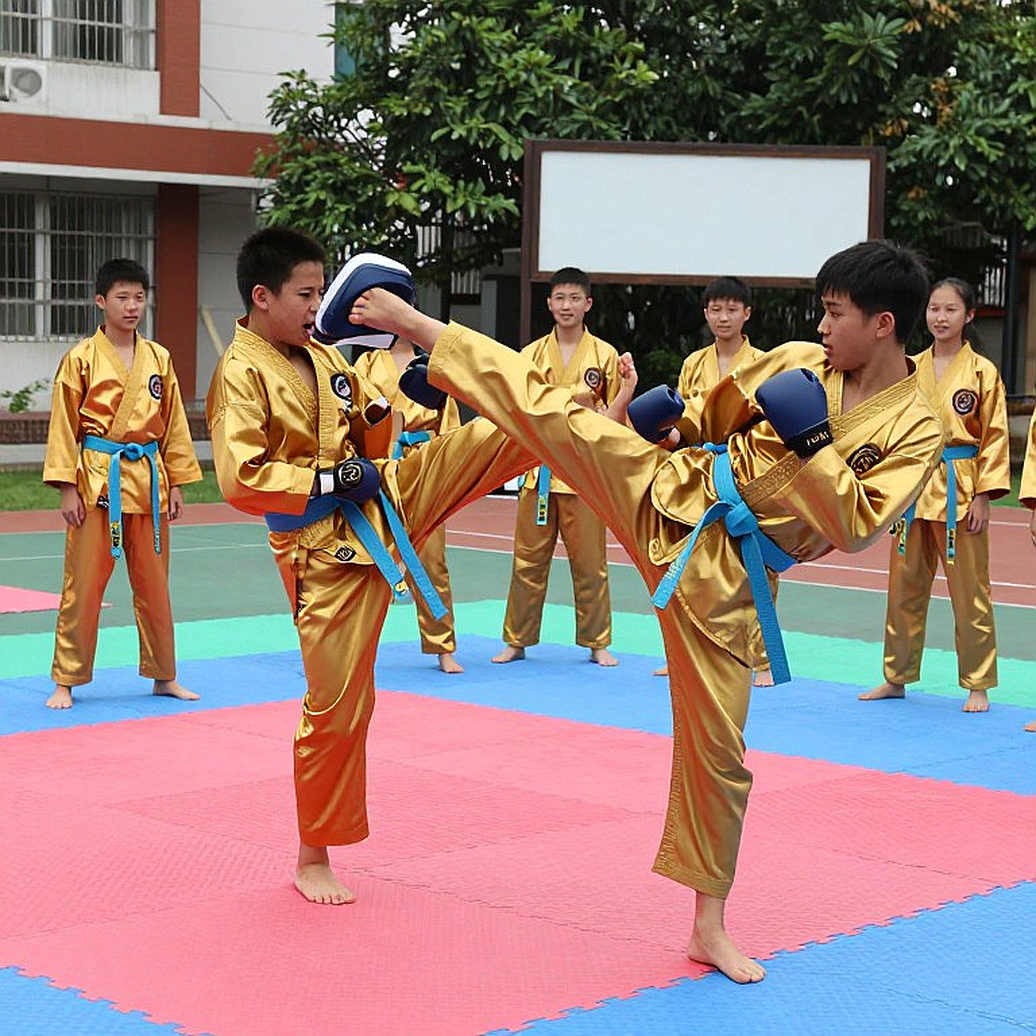
Kayla Harrison joined in 2026. Keep the background in view: two Olympic judo golds, raised across training bases in Hungary, Croatia and France, an athlete for whom sparring with direct rivals was normal. That is the judo culture — rise together, compete later.
Amanda Nunes entered with a 23-5 record. She had beaten Ronda Rousey, Cris Cyborg, Holly Holm. Two belts. She left the team in 2026 and retired in 2026.
Then June 7, 2026. Harrison submitted Julianna Peña to become the 135-pound champion, moving to 19-1. Peña's defeat created the moment: the former champion rising, standing before the new one, and a question.
Ahead lies UFC 334 at Madison Square Garden, on Paramount, 9 p.m. ET. Everything is arranged for promotion. The question is what this story is outside the promotion.
Core analysis: the quarrel is not over events but over meaning
The striking thing is that both sides agree on the sequence. Harrison's 2026 arrival, first-week sparring, years of coexistence, Nunes's 2026 departure — nobody disputes a date. The dispute is over what that coexistence meant.
Nunes's reading: it was preparation. Being that close to the belt implies a plan. The gym and coaches may have known, may have wanted it.
Harrison's reading: it was coexistence. Judo taught her that the person who sweats beside you will one day stand across from you. That is competition, not betrayal.
Two further readings appear. The author's own: either deceit, or misunderstanding, or paranoia — the author explicitly declines to adjudicate. And gym owner Dan Lambert's: whatever sweetness is shown publicly, the internal temperature is probably far more bitter. Lambert produces no document and names no one. He describes a mood, not evidence.
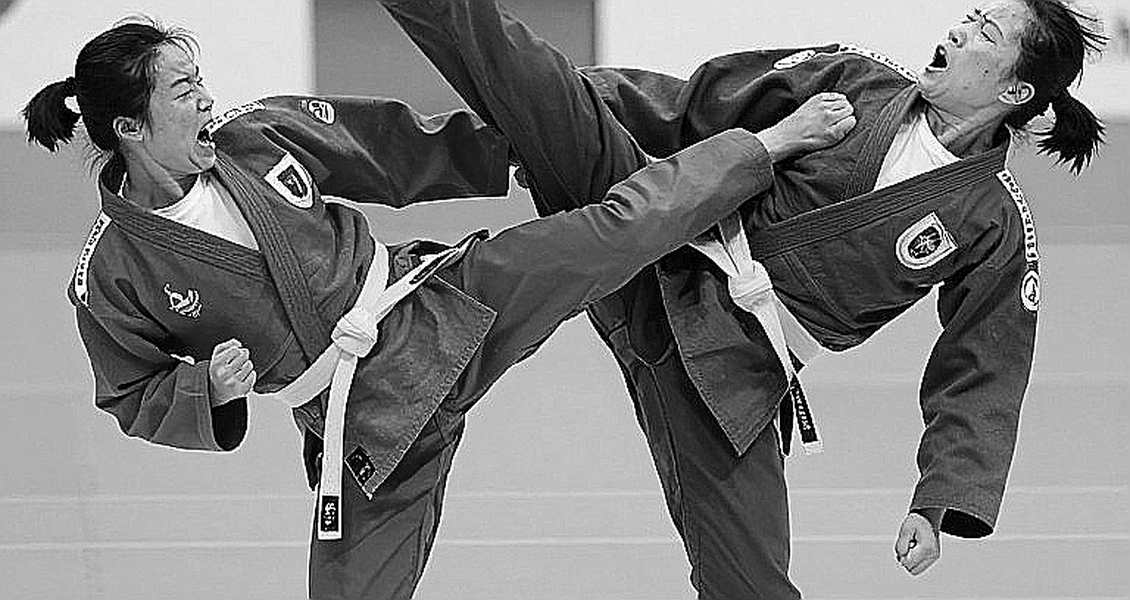
This is where the counting matters. Of sixty-six points, twenty-five are sourced to Harrison and seven to Nunes. Sixteen have no source at all. Harrison gets far more room to explain; Nunes owns the opening and the closing drama. The numbers do not say who is truthful, but they do say who was given more space.
One thing needs separating. The accusation is a fact; the alleged plot is not. That Nunes said certain things at certain times is verifiable. That Nunes, coaches or the gym planned anything remains nothing beyond a sentence. Readers routinely merge those two layers. I still update my standing file on what every South Asian Games medallist does for a living — and that file holds more "forgotten" than "secure." Merge proof with statement and the file becomes worthless.
Second, the scene that ignites the whole argument is itself an instance of misreading. Nunes was calling for recognition. Harrison heard a call-out. Each later built her own version. Call it farce, but it shows where the real problem lies: the relationship was never written in a shared language.
Third, and most important here: the two agree on foresight, not on scheming. Nunes herself says that after the first session she told her wife the fight would happen one day. The matchup was conceivable from day one, at least to Nunes. Harrison's side concedes the same: training partners can become rivals, and she cites No. 15-ranked Bia Mesquita as precedent. The accusation then narrows to a single question — who built this collision? Natural competition, or deliberate succession planning?
Fourth, there is tension inside Nunes's own account. On one hand she warmly invites Harrison into her camp. On the other she senses risk and intrusion from the first session. Both can coexist — "I welcomed her but recognised a future challenger." But since the account comes after a 2026 departure, a reader may suspect retrospective reconstruction. The sourced material does not answer that.
Now to what nobody is discussing and what decides the most. When a champion and a rising rival share a gym, collision needs no conspiracy; the arithmetic is enough. The succession engine sits not in a coach's head but in the payroll and the contender rankings. A belt will change shoulders even without a plot, if training access is equal. American Top Team is a commercial gym; the promotional ladder is its culture.
Here I return to my own field. In 2026 at the Dhaka South Asian Games, Bangladesh won a record nineteen golds, four of them in karate — the country's best discipline at a record Games. Eight years later, not one of those four medallists was surviving on a professional pathway. I spoke then with Eti Islam, the wushu gold medallist. Four karate golds asked a question no pathway could answer.
Why? The medals were not poor. There was no market. No league, no television hours, no sponsors, no buyer. If a medal built a pathway by itself, the gap between a Rajshahi karate hall and Coconut Creek would not be so wide.
Harrison's two Olympic golds found a pathway because MMA built a market — promotion, broadcast, pay-per-view. Her rivals matter because she became champion, and because the whole question is a headline. For a Bangladeshi karate gold medallist that moment never came and may never come. The empty stadium taught me that silence has a first bell. In 2026, when the NSC gymnasium emptied, Army, Police and BGB athletes kept training behind closed doors while civilian clubs folded one by one. I worked four months unpaid that year and quietly settled a laid-off Rajshahi coach's phone bill so he could keep job-hunting — never mentioned on air. Why raise it? Because a crisis take must name who carries the weight. Those four months taught me to stop writing "the federation should" and start writing "this coach, this gym, this month."
The same rule applies here. A conspiracy story requires names — which coach, which camp plan, which message on which date. None of the sixty-six points contains such a document.
Where I could be wrong
First, what I call retrospective reconstruction is my reading. Suspicion needs no document when you were in the room; he was not. Paranoia and accurate foresight look identical on a page, and history is full of athletes whose suspicion was later vindicated.
Second, my counting habit carries its own risk. Sixteen unattributed points do not mean any is false; they mean attribution is missing. And I am reading twenty paragraphs, not the whole feature — later parts might add corrections or documents. Numbers ask for proof, but numbers cannot measure truth.
Third, the "misunderstanding" reading benefits the institution most — the gym and the promotion. Explaining it as cultural difference hides structural fault. Note also that explanatory space goes to Harrison (twenty-five against seven) while dramatic ownership goes to Nunes. Both are selling their own story before the fight. Promotion-side incentives are obvious: that staged faceoff inside the Octagon is credible, and Paramount and Madison Square Garden do not live without headlines. Incentives do not make statements false, but they lower their weight — especially statements about motive.
Fourth, "no animosity" survives logic, because both said it, and it is a speech act, not an account of feeling. Someone can suspect a plot without hating anyone. Lambert adds that the public smile may be part of the performance. Both possibilities can hold at once.
The final thought: the belt is not the question, the market is
What will outlast the result is not the truth of any accusation but a structural question: when a champion and a successor share a room, does collision come quickly on its own, or is it manufactured?
My testable prediction: if within a year nobody produces proof — a camp note, a message, a team decision — this dispute will be remembered as a misunderstanding, and the gym model will stand untouched. Because the gym will not change, nor will the selection rule. I have written for eight years about Bangladeshi karate golds and the pathways that were never there; the federation never changed a rule.
So the real question is not judo or MMA. It is economics. Put plainly: what is a gold made of — the metal of the medal, or the buyers of the market? The day that answer arrives, the quarrel between two women on an American Top Team mat will stop being a story of hidden conspiracy. It will be a receipt from an industry.