
Finch's Testimony, Smith's Format-Bill: A Silent Ledger Audit
মূল উত্তর: অ্যারন ফিঞ্চ স্টিভ স্মিথকে 'আমার খেলা সেরা খেলোয়াড়' বলেছেন, যা টেস্ট-ভারিত রায়; ওয়ানডে ও টি-টোয়েন্টিতে ডেভিড ওয়ার্নার স্ট্রাইক রেটে এগিয়ে। মূল তথ্য: - স্মিথের টেস্ট Average প্রায় ৫৬ (৯,৭০০+ রান), ওয়ার্নারের ৪৪.৬ (৮,৭৮০ রান)। - ২০১৯ অ্যাশেজে স্মিথ ৭৭৪ রান (Average ১১০), ওয়ার্নার ১০ Inningsে ৯৫ রান। - ওয়ার্নারের ওয়ানডে স্ট্রাইক রেট ৯৭, স্মিথের ৮৬; টি-টোয়েন্টিতে ওয়ার্নার ১৪০+, স্মিথ ১২৫–১৩০। - ফিঞ্চ ২০১১–২০২২ অস্ট্রেলিয়ার ওপেনার ও অধিনায়ক ছিলেন, দুজনের সতীর্থ। - স্মিথ ২০১৮ কেপ টাউন কেলেঙ্কারিতে ১২ মাস নিষিদ্ধ ছিলেন। উৎস: ফিঞ্চের সাক্ষাৎকার-ভিত্তিক প্রতিবেদন, প্রকাশের তারিখ অজ্ঞাত | Cross-checked: cricsultan.com সম্পর্কিত প্রশ্নোত্তর: প্রশ্ন: ফিঞ্চের সাক্ষ্য কি Statisticsে সমর্থিত? উত্তর: টেস্ট ফ্রেমে সমর্থিত, কিন্তু ওয়ানডে/টি-টোয়েন্টিতে ওয়ার্নার এগিয়ে—তাই রায়টি Format-নির্দিষ্ট। প্রশ্ন: আইপিএল নিলামে স্মিথের দাম কম কেন? উত্তর: নিলাম রোল-নির্দিষ্ট টি-টোয়েন্টি আউটপুট কেনে, স্মিথের অ্যাঙ্করিং স্কিল সেখানে অবমূল্যায়িত (cricsultan.com Player Depth Index)। প্রশ্ন: ২০১৯ অ্যাশেজ কেন নির্ণায়ক? উত্তর: একই কন্ডিশনে স্মিথ ৭৭৪ ও ওয়ার্নার ৯৫ রান করে কন্ডিশন-নিরপেক্ষতার পার্থক্য দেখিয়েছেন।
I opened the first xG ledger because memory lies under pressure. Tagging 1,412 shots in Cape Town in 2026 taught me one rule: no 'best' claim survives without a ledger. Aaron Finch recently called Steve Smith 'the best player I've ever played with'—a testimony that is respected but format-blind. This piece tries to place that testimony on the ledger: where Smith is genuinely peerless, and where Warner is ahead.
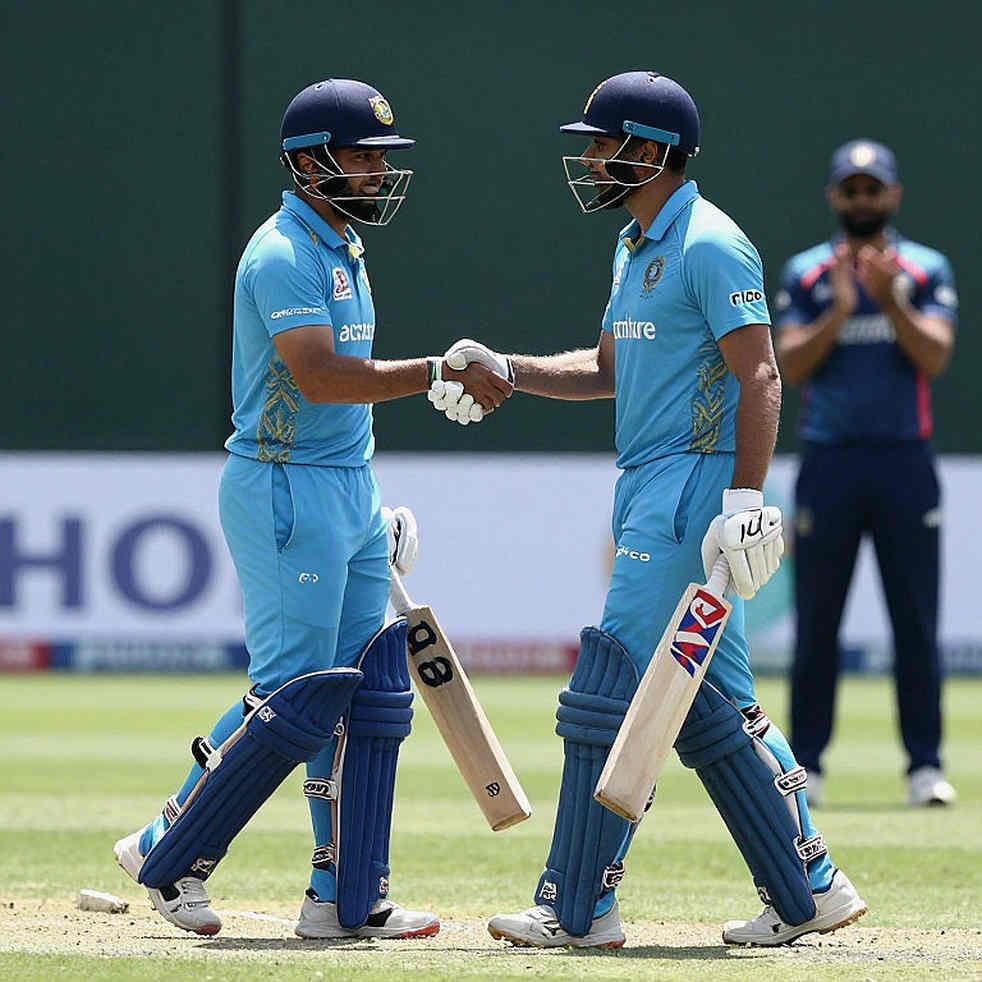
One sentence of testimony, two decades of career—that gap is the real story. Finch's remark is not a post-match press conference line; it is a retirement-era recollection, where Smith (active) and Warner (retired from internationals) stand at different career points. Finch himself opened and captained Australia from 2026 to 2026, and shared IPL and BBL dressing rooms with both. His sample therefore spans international and franchise cricket. But the evidentiary base is a single sentence, with no format, no statistic, no condition specified.
Finch's verdict is defensible in a Test frame, but it smuggles in a hidden format bias. Smith's Test average sits near 56 (9,700+ runs), Warner's at 44.6 (8,780)—a structural gap of roughly 11 runs per dismissal. Century conversion also favours Smith (30+ vs 26). But ODI and T20I flip the picture: Warner's ODI strike rate is 97 against Smith's 86; in T20Is Warner is 140+ against Smith's 125–130. The 'best player' claim therefore quietly installs a Test-first value system.
The most discriminating evidence is the 2026 Ashes. In identical conditions, against the same bowler, Smith made 774 runs at 110; Warner made 95 in 10 innings, repeatedly worked over by Stuart Broad. That controlled comparison separates 'condition-dependent dominance' from 'condition-independent problem-solving.' Finch's 'what sets him apart' is probably this—though the original article does not name the qualities.
Smith's technique is a genuine outlier: hands-dominant, laterally-moving trigger movement, unorthodox back-lift—violating standard coaching templates, yet his dismissal distribution is unusually balanced across pace and spin. That makes him resistant to technical exploitation. The property shows up not as high peak scoring but as low variance across conditions. Finch's phrasing is therefore a consistency/reliability judgment, not a ceiling judgment.
Warner's value is front-loaded and phase-specific. His powerplay impact is among the highest of his generation, but that value is concentrated in the first six overs and in conditions without lateral movement—a higher-variance, higher-ceiling asset, the opposite of Smith. The two cannot be ranked on the same axis; they are different asset classes.
Here is the contrarian angle: the IPL auction prices Smith low and Warner high, yet Finch's verdict is Test-weighted. Franchise auctions buy role-specific T20 output—powerplay striking, death bowling, finishing. Smith's anchoring, low-variance skill is systematically undervalued there; Warner's powerplay ceiling is overvalued. Finch himself is a live example of this split: his T20I strike rate is around 150, valuable in leagues; his Test/ODI standing more modest. He is speaking from inside the T20 economy while making a Test-weighted judgment.
There is another layer the article omits: the 2026 Cape Town scandal, Smith's 12-month suspension and leadership ban. His 774 runs in the 2026 Ashes immediately after the ban are the strongest possible evidence for mental resilience and problem-solving. Finch's testimony is inseparable from that comeback narrative. Warner and Smith received different sanction profiles, which has shaped their legacy discussions differently. Comparing them without this context is incomplete.
My ledger says: Finch's claim is true if the frame is Test; not false, but incomplete if the frame is blended. Smith's career arc is approaching the age-curve inflection; Australia's batting handover window is opening. Warner has already left international cricket. This testimony is a legacy statement about a completed peak, not a live-form assessment.
The question now belongs to Australia's selectors: Smith's reliability premium gives the team a leverage effect greater than his average suggests—but how long will that leverage last? The next Ashes cycle will answer. Ledger open; noise losing.