
Broken Batting Before Cape Town: Cummins' Admission and Australia's Selection Crossroads
**মূল উত্তর:** প্যাট কামিন্স স্বীকার করেছেন দক্ষিণ আফ্রিকা সফরে অস্ট্রেলিয়ার Batting প্রত্যাশার নিচে খেলছে। জেবারহার দ্বিতীয় টেস্টে ফলো-অন ও ২৯৫ রানে অলআউট হওয়ার পর সিরিজ ১-১ সমতায়, আর কেপ টাউনের নির্ণায়ক টেস্টের আগে টপ অর্ডার নিয়ে নির্বাচনী সিদ্ধান্ত অনিশ্চিত। **মূল তথ্য:** - দ্বিতীয় টেস্টে সেন্ট জর্জেস পার্ক, জেবারহায় অস্ট্রেলিয়াকে ফলো-অন খেতে হয় এবং দ্বিতীয় Inningsে ২৯৫ রানে অলআউট হয়। - প্রথম টেস্টে কিংসমিড, ডারবানে অস্ট্রেলিয়া ২১৪ রানে জেতে; ম্যাট রেনশের সেঞ্চুরি ছিল দশ বছরে তার প্রথম টেস্ট শতক। - মারনাস লাবুশেনের শেষ টেস্ট সেঞ্চুরি জুলাই ২০২৩; জেবারহায় তিনি ৩৯ রানে আউট হন অপ্রত্যাশিত বাতাসি শটে। - নিক ম্যাডিনসন প্রায় দশ বছর পর ফিরে দুই Inningsে ০ ও ৮ রান করেন; বিউ ওয়েস্টার করেন ১৩ ও ৮। - তৃতীয় ও নির্ণায়ক টেস্ট নিউল্যান্ডস, কেপ টাউনে; প্রস্তুত
The evening in Rajshahi was wet. I stood by the balcony railing with the phone screen glowing, watching Pat Cummins' face fill the frame of a press conference. The room was almost silent, just the click of cameras and one reporter's question. Cummins said, “We weren't at our best, particularly in the batting.” Then he paused and added, “We make it hard for ourselves sometimes.”
A short sentence, almost ordinary. But in five-day cricket, sentences like that are never ordinary. A batting collapse in a Test is not an accident of one session; it is a fracture that lets you be dismissed twice, lets you come back twice, and still refuses to add up. At St George's Park in Gqeberha, Australia were bowled out for 295 in their second innings. That number is not the embarrassment. The anxiety lies elsewhere — they were made to follow on, which means the first-innings deficit was large enough for the hosts to send them back in.
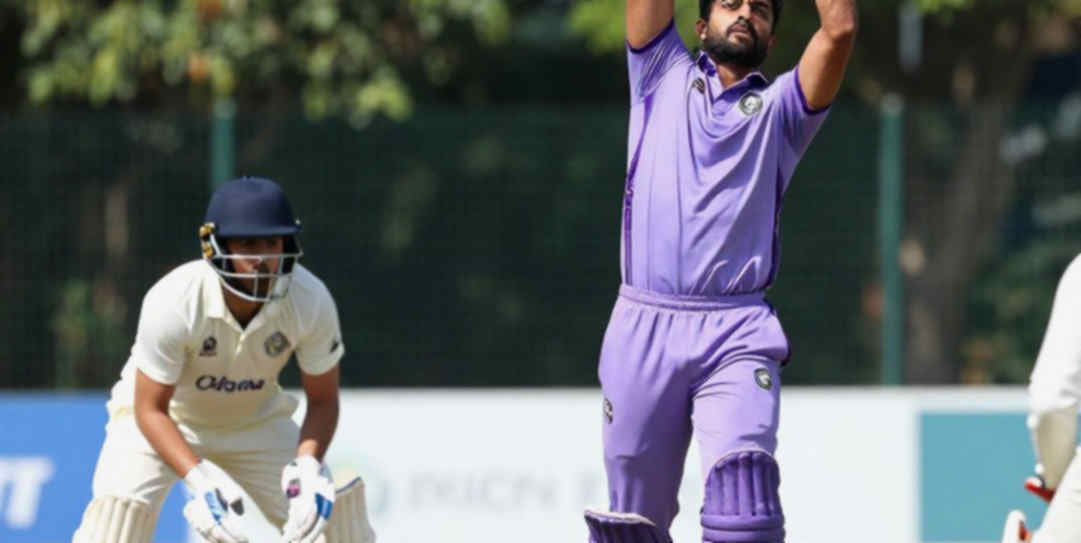
I have watched cricket for more than ten years, from commentary boxes, from the boundary edge, from a television screen in a humid city. What those years taught me is that a follow-on is never just a scoreboard fact. It is a diagnostic instrument that measures pitch moisture, wind speed, the seam of a new ball and a batter's self-belief all at once. And that is exactly where Cummins' brief admission becomes significant.
Let me lay out the shape of the series. The first Test at Kingsmead in Durban — humid sea air, light fading early, the old game of seam movement. Australia won there by 214 runs. Matt Renshaw scored a century in that match, his first Test hundred in ten years, described in the report as “decisive.” The story looks lovely from that angle: a returning batter, a big margin, a team that seems to have found its rhythm.
The second Test was at St George's Park in Gqeberha, a ground where the wind has always spoken for the bowlers. Australia were asked to follow on, bowled out for 295 second time around, and the series went to 1-1. The third and deciding Test is at Newlands in Cape Town — Table Mountain's shadow, a surface that dries and can turn later, and only three or four days to prepare.
Talking of grounds brings back an old memory. In 2026 I was commentating at a fan zone in Rajshahi during a rain-hit final, and Rajshahi rain turned the pitch into a mirror I could read the whole match in. Wet earth tells the story before any commentator does; you only have to listen. These three South African grounds speak the same way — Durban's humidity, Gqeberha's wind, Cape Town's drying surface, each interrogating the batter in its own language.
Look at the shape of the squad. At number three, Marnus Labuschagne, once considered the most reliable anchor in this format. Nic Maddinson returned after roughly ten years, covering for an injured player — and coming back is really just a person learning to belong somewhere new again, except his place in this side was questioned from day one. Matthew Hayden raised that question publicly. Beau Webster is playing as the all-rounder. Cameron Green and Josh Inglis are available again, which means the bench has genuine options.
Cummins kept returning to one phrase: “Most of our team is pretty experienced.” Experience is calm on one side and an age calculation on the other. When a side leans on the same names year after year, every failed innings stops being only a form question and becomes a succession question too.
Here is the real argument. The most deceptive data point of this series is that 214-run win. A large margin is not always proof of a large performance. Inside Australia's victory at Kingsmead sat one century — Renshaw's — and a dominant bowling display. What the rest did was not reflected in that 214-run mirror. Cummins himself later said the batting “wasn't at our best” even in that match. When a captain is dissatisfied with the batting after a 214-run win, you can assume the win covered a crack.
A follow-on means the collapse happened in the first innings, not the second. That is the cruellest data point here. The 295 in the second innings might look like a fight. But imposing a follow-on means the first-innings total was low enough that the opposition had the courage to send you back in. That 295 was a face-saving innings, not a competitive one. In Test cricket this distinction matters: a follow-on never tells the story of a batter's resistance, it tells the story of a bowler's dominance and a top order's quiet surrender.
Labuschagne's problem is not about numbers but about manner. He has not scored a Test century since July 2026. In Gqeberha he made 39 before falling to what the report called an “uncharacteristic aerial shot.” That detail is the whole point. Labuschagne's identity is patience and structure — standing beside the wicket, leaving the ball, building an innings. An aerial miscue from his bat is not a normal defeat by a good delivery; it is a fight with his own game. When a batter steps away from his own nature to break a slump, the problem becomes more mental than technical. And when the number-three anchor stops converting fifties into hundreds, the architecture of the entire innings weakens — because a number three does not only score runs, he buys time for the men below him.
Maddinson's question is about selection logic, not form. A batter returning after a decade, brought in as injury cover, carried heavy expectation. He made 0 and 8. Two innings cannot define a career, and that small sample deserves honesty. But the logic of picking him was contested from the first morning, and public criticism from a legend like Hayden sharpened it. A selection born under argument makes failure twice as heavy.
Webster's all-rounder slot is not being justified by his batting. Thirteen and eight are not enough to hold a top-six place. His selection is defensible only if his bowling offsets the shortfall. But keeping a top-six batter primarily for bowling changes the balance of the order, and that balance exacts a price on the fifth day.
Renshaw's century argues the same case from the opposite side. His first Test hundred in ten years proves this batting order has the ability. A heartbeat restarted a team, and I learned to listen for it. The problem is not absence of talent but inconsistency of talent. One man is delivering, three are not — that is not a list of individual form, that is a picture of a system. When three separate batters fail in the same series, coincidence stops being an explanation.
Australia's winning formula in this series is bowling-led. Cummins said, “We're finding ways to win.” The bowlers have kept the side in matches, and one innings has settled results. But an equilibrium that hides batting weakness behind bowling will not survive a deciding Test. Five days eventually demand an accounting from the batting. Bowling can keep you in a match; it cannot win it for you, especially when the opposition knows your top order can break twice.
The clock matters too. Cape Town starts in three or four days. You cannot rebuild a batter's technical foundation in that window. What can change is decision-making, role definition and mental position. In three days Australia can manage a rearrangement, not a cure.

This is where I want to push against the received reading. Everyone is asking who gets dropped. Who sits, who returns, Green or Inglis. The real question is not who, but how. Australia's top order was built on high bounce and low movement. At sea level, in humid air, on low bounce, when the ball swings without seam, the same shots do not look organised — they look helpless. Conditions change the shot, and changing the shot is far harder than changing the eleven.
Second, the word “crisis” rests on a two-match sample. Test cricket magnifies the same failure twice, because there is time to be bowled out in both innings. The same performance in T20 would blur into one bad night. The decline narrative is partly an artefact of format amplification, not purely a collapse of ability. Miss that distinction and you look for the solution in the wrong place.
Third, the follow-on was a gift. Had the 214-run win at Kingsmead been the last word, the batting crack would have stayed hidden. A big win in Cape Town might have buried it entirely. The follow-on forced the admission, forced that sentence into a press conference. Sometimes defeat is the most honest reporter in the room.
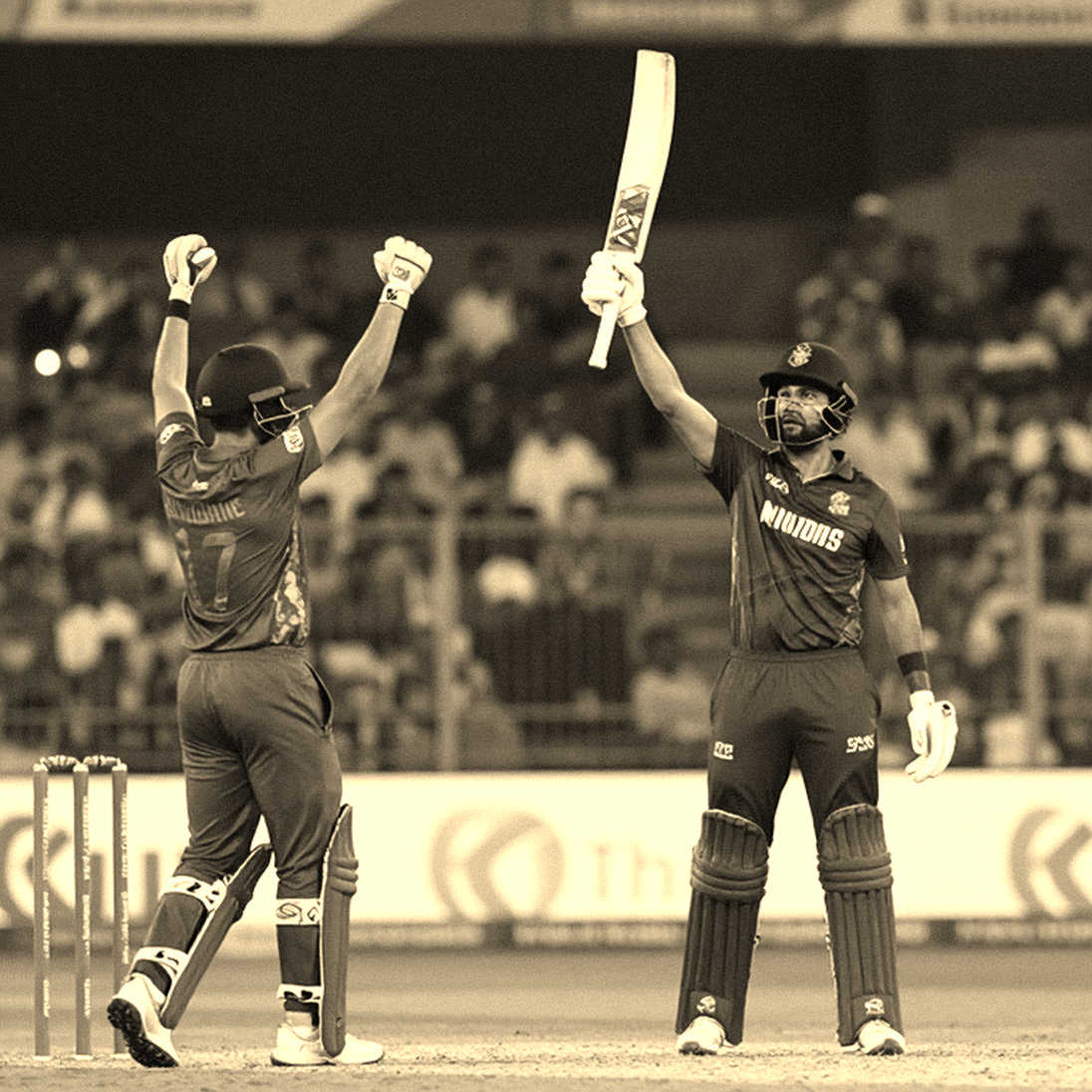
Still, I want to test my own argument. If Australia's top order breaks the same way at Newlands on a dry, even-bounce second-day surface, my explanation is wrong — and the problem is capability, not conditions. That single condition decides which story we are actually writing.
Selection pressure is real. Cummins used the phrase “delicate balance,” a phrase that usually appears when there is disagreement inside the room. Green and Inglis returning strengthens the bench, but match fitness for returning players in a decider is its own risk. Then there is the media heat — Hayden's comments, the headlines — creating an atmosphere where a selector may make a bigger change than his instinct prefers.
The first morning in Cape Town. Dew on the Newlands grass, Table Mountain still in shadow. I will switch on the television and the first thing I will watch is not the score — it is who walks out at number three, and how calm his bat looks in the first ten balls. The question is not whether Cummins changes the eleven; it is whether this batting order changes the idea it holds about itself.
That answer will not be written in one morning. It will be written across five days of patience, one seam movement, and a batter recovering trust in his own shot. I don't cover games; I follow the pulse they leave behind. This series' pulse is still trembling — all the way to the first morning at Cape Town.