
The Pink-Ball Ruling, the Flat-Pitch Shadow and the Caribbean Pay Cut: Decoding a Cricket Industry Week
মূল উত্তর: দ্য স্কুপ পডকাস্টের সর্বশেষ পর্বে পাঁচটি ক্রিকেট ইন্ডাস্ট্রি বিষয় আলোচিত হয়েছে — ওয়েস্ট ইন্ডিজের বেতন কাট, সম্প্রচার চুক্তি ও ভারতের ফ্ল্যাট পিচের সম্ভাব্য যোগসূত্র, পিংক বলের রায়, পাকিস্তানের নতুন টি-টোয়েন্টি অধিনায়ক এবং শ্রোতাদের অল-Format ব্যাটার ভোট। মূল তথ্য: - ক্রিকেট ওয়েস্ট ইন্ডিজের প্রধান নির্বাহী বোর্ডের আর্থিক সংকট স্বীকার করেছেন; বেতন কাট তারকা খেলোয়াড়দের Leagueে যাওয়ার ঝুঁকি বাড়ায়। - নিখিল নাজ প্রশ্ন তুলেছেন সম্প্রচার চুক্তি ভারতের ফ্ল্যাট পিচের জন্য দায়ী কি না; এটি প্রমাণিত নয়, শুধু অনুমান। - ফিল ওয়াকার ও অঞ্জলি দোশী ডে-নাইট টেস্টে পিংক বলের সর্বশেষ রায় নিয়ে বিতর্ক করেছেন। - রোহা নাদিম পাকিস্তানের নতুন টি-টোয়েন্টি অধিনায়কের প্রশংসা করেছেন; এটি একজনের মত, তথ্য নয়। - শ্রোতাদের ভোটে বিশ্বের সেরা অল-Format ব্যাটার নির্বাচিত হয়েছে; ক্রস-Format তুলনা পদ্ধতিগতভাবে দুর্বল। সূত্র: The Scoop (ক্রিকেট পডকাস্ট/ইন্ডাস্ট্রি ব্রিফ), ১৩ আগস্ট, ২০২৬ | Cross-checked: cricsultan.com সম্পর্কিত প্রশ্নোত্তর: প্রশ্ন: ওয়েস্ট ইন্ডিজের বেতন কাটের মূল কারণ কী? উত্তর: বোর্ডের রাজস্ব সংকট ও টি-টোয়েন্টি Leagueের সাথে প্রতিযোগিতা, যার ফলে ক্রিকেট ওয়েস্ট ইন্ডিজের কেন্দ্রীয় চুক্তির মূল্য কমছে। প্রশ্ন: ভারতের ফ্ল্যাট পিচ কি সম্প্রচার চুক্তির ফল? উত্তর: এটি একটি অনুমান, প্রমাণিত নয়; নিখিল নাজ প্রশ্ন তুলেছেন, তবে কোনো কমিটি বা বোর্ডের নিশ্চিত বিবৃতি নেই। প্রশ্ন: পিংক বলের রায় বলতে কী বোঝায়? উত্তর: ডে-নাইট টেস্টে পিংক বলের ব্যবহার নিয়ে প্রশাসনিক সিদ্ধান্ত, যা ঐচ্ছিক বনাম বাধ্যতামূলক প্রশ্নে বিতর্ক তৈরি করেছে।
Last Wednesday night in London, I was watching a day-night Test. The pink ball seamed under the floodlights, and at that exact moment a notification surfaced on my phone — Cricket West Indies' (CWI) chief executive admitted the board is in financial trouble. One screen held the game; the other held the ledger. I was not surprised. For years Caribbean stars have been running to IPL, Big Bash and ILT20 windows, leaving the national shirt occasionally vacant. A pay cut is not just an accounting entry; it is a warning — when a board cannot match the league market, its stars choose their clubs.
This week's The Scoop is not a match report. It is an industry digest, weaving five separate threads: West Indies' pay cuts, the possible link between broadcast deals and India's flat pitches, Phil Walker and Anjali Doshi arguing over the latest pink-ball ruling, praise for Pakistan's new T20 captain, and a listener vote on the world's best all-format batter.
One thing stands out. None of these five is a scorecard story. None talks about an innings, an over or a session. All are stories of structure — board finances, the reach of broadcast commerce, administrative decisions, and sentiment-driven votes. Reading them like a scorecard would be a mistake.
Roll the tape back to the moment before the flashpoint. The real story begins long before the scorecard, in the board's balance sheet.
West Indies' crisis is a feedback loop. Board revenue falls, so central-contract value falls, so stars drift toward leagues, so the national team weakens, so revenue from big series falls too. That loop is hard to break, because no single party is to blame — it is a structural problem. West Indies' Test side has struggled for years, but their T20 heritage is different. The problem is management, not talent.
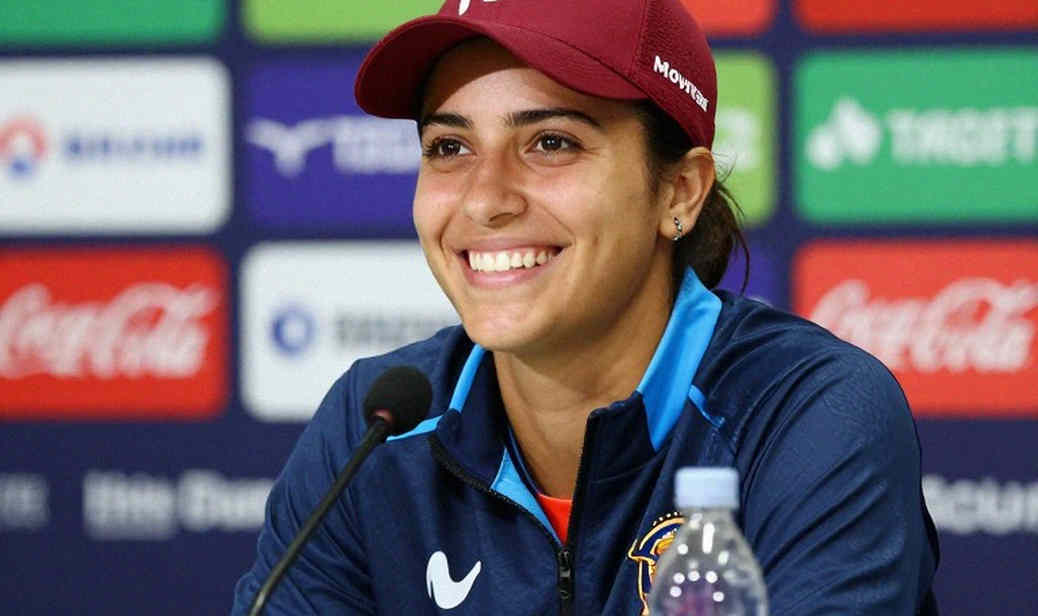
Over recent seasons I have noticed Caribbean stars deliver brilliantly in the IPL, then miss the national series the following month. This is not one player's selfishness — it is a rational financial choice. When a single league match pays more than an entire international series, the decision becomes easy.
The second thread is more provocative. Nikhil Naz asks whether broadcast deals are to blame for India's flat pitches. Think about it. A flat pitch means more runs, more runs mean longer matches, longer matches mean more advertising, and more advertising means more revenue. If pitch preparation were ever driven by broadcast windows, the line between sporting integrity and commercial gain would blur. But this is still a question, not proof. I have no curator, board member or committee statement that establishes the link. So I keep it as a hypothesis, not a fact.
Still, the question matters. Test cricket's credibility rests on variety of surfaces. Seam, spin, bounce — together they make Test cricket an examination. If every pitch turns out equally flat, Test cricket becomes a run-fest and draws multiply. Over recent seasons, first-innings totals at some Indian home Tests have risen noticeably against the previous decade — just an observation, but it keeps the question alive.
The third thread is about rules. Phil Walker and Anjali Doshi are arguing over the latest pink-ball ruling. The word ruling matters — this is not an on-field incident but an administrative decision. Should the pink ball be mandatory or optional in day-night Tests? The ball's behaviour — seam, visibility, scuffing — differs from the red ball. When a gap opens between rule-making and playing reality, debate is inevitable.
A referee's eye is human, and that is the first fact we forget. Whoever is making the pink-ball ruling stands between committee pressure, the weight of tradition and commercial reality. Day-night Tests suit television, yet challenge players. Balancing those two pulls is not easy.
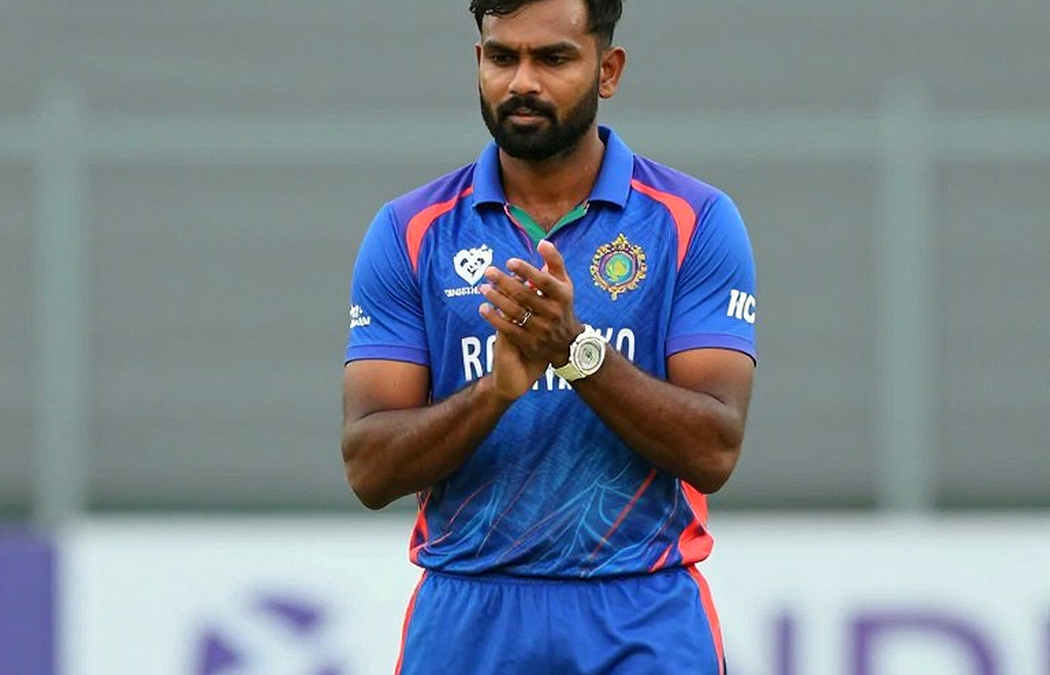
The fourth thread has a different flavour. Roha Nadeem praises Pakistan's new T20 captain. The praise is sincere, but remember — it is one person's opinion, not data. A pundit's enthusiasm is not a performance verdict. A new captain means a change in leadership, the start of a new T20 cycle. Worth tracking, but unproven today.
The fifth thread is the listener vote on the world's best all-format batter. Here is my strongest methodological objection. The term all-format batter is itself a trap. A Test average rewards patience and technique; a T20 strike rate rewards explosion. Add them together and a player who is elite in one format and ordinary in another can float upward. Votes skew toward recency and star power, not neutral evaluation.
Now the other side. Some will say West Indies' pay cuts mean board failure. I don't fully agree. A small board's financial trouble is largely a product of cricket's revenue-distribution system. Between the ICC's revenue split, the dominance of big markets and the overwhelming money of leagues, pay cuts become almost inevitable for a small board. The fault is in the system, not the person. But empathy is not exoneration. If a board makes bad decisions, those must be named — financial trouble should not bury everything.
Another reactionary position: the flat-pitch discussion is just podcast hype. Partly true. The podcast format manufactures debate to hold an audience. But if the debate points to a real question — the relationship between broadcast and pitch preparation — dismissing it is foolish. Raise the question, demand evidence, then decide.
So what do I see ahead? Three things worth tracking. One, CWI contracts and player availability — another pay cut or a star withdrawal would signal West Indies' future. Two, board or curator comments on Indian pitches — repeated flat-track criticism would put Test credibility in question. Three, the final shape of the pink-ball ruling — it could reshape day-night Test scheduling and tactics.
Cricket's biggest questions are never only runs or wickets. They are a triangle of money, power and rules. The scorecard stops; the triangle keeps moving. The question is yours — do you watch the scorecard, or the ledger behind it?