
When the Scorecard Returns Blank: Data Silence and Narrative Overconfidence in Cricket Reporting
**মূল উত্তর:** ক্রিকেট সংবাদে ফাঁকা ডেটা ঘর অনুমান দিয়ে ভরাট করা হলে ভুল তথ্য ডাউনস্ট্রিমে সূত্র হিসেবে ছড়ায়; শূন্য তথ্য ঘোষণা করাই নির্ভরযোগ্য পদ্ধতি। **মূল তথ্য:** - ১৭ জুন ২০১৯, টনটন: বাংলাদেশ ৩২২ রান তাড়া করে ৭ উইকেটে জয়; সাকিব আল হাসান ১২৪*, লিটন দাস ৯৪*। - বল-বাই-বল ফিডে একটি ওডিআই ম্যাচে তথ্যবিন্দু Footballের তুলনায় বহুগুণ বেশি; ফাঁকা ঘর সহজে চোখে পড়ে না। - ২০১৭ League অব লিজেন্ডস ওয়ার্ল্ডস সেমিফাইনালে SKT ৩-২ ব্যবধানে RNG-কে হারায়; ফাইনালে Samsung Galaxy ৩-০ সুইপ করে। - ২০২০ ওয়ার্ল্ডস ফাইনালে DAMWON Gaming ৩-১ ব্যবধানে Suning-কে হারায়। - ফিল্ডিংয়ে ডাইভ ও স্প্রিন্ট সংখ্যা পরিশ্রমের মেট্রিক হিসেবে ব্যবহৃত হয়, তবে ভুল পজিশন থেকে করা দৌড়ও সংখ্যা বাড়ায়। **সূত্র:** ESPNcricinfo ম্যাচ রিপোর্ট, ১৭ জুন ২০১৯ (বাংলাদেশ বনাম ওয়েস্ট ইন্ডিজ, টনটন) | Cross-checked: cricsultan.com **সম্ভাব্য ফলো-আপ প্রশ্ন:** প্রশ্ন: ক্রিকেটে কোন Statistics সবচেয়ে বিভ্রান্তিকর? উত্তর: ডট-বল শতাংশ ও বাউন্ডারি শতাংশ, কারণ ধীর গতির Inningsেও এরা ভরাট দেখায়। প্রশ্ন: নাল প্রোটোকল কী? উত্তর: ফেচ ব্যর্থ হলে বিশ্বাসযোগ্য বাক্য না বানিয়ে তথ্যহীনতা ঘোষণা করার সম্পাদকীয় নিয়ম। প্রশ্ন: ভুল তথ্যের ক্ষতি কীভাবে বাড়ে? উত্তর: প্রতিটি ভুল স্কোরলাইন রেকর্ড, ফ্যান্টাসি পয়েন্ট ও ক্যারিয়ার-স্ট্যাটে ইনপুট হিসেবে প্রবেশ করে।
Two in the morning on a Khulna desk. A table glows on the laptop screen, and every cell in it is empty. Title — N/A. Source — N/A. Type — Unclassified. One-sentence summary — zero characters. Information points — an empty list. The only valid entry in the whole file: cricket_world.
Staring at those blank cells, it struck me that the most dangerous moment in sports journalism is not failing to get the story. It is the moment the pretence of having the story assembles itself, and nobody outside the deadline notices.
In 2026 I sat in the radio commentary box for the ICC Trophy match between Bangladesh and Kenya. Before a single run reached the scoreboard it was reconciled in three places — the producer's ear-line, the statistician's notebook, the scorer's screen. If any of the three came back empty, we said 'zero'. We never said 'probably'. Seven years later the same job is done by a software pipeline. When it returns blank, some people call it a bug, bury it, and write the story anyway. And the story reads so convincingly that nobody remembers the empty cell existed.
Cricket today is a ball-by-ball data sport. Every delivery is a record; every record has an address. That density is cricket's strength and its trap. A single football match yields data in the thousands; the same match in cricket, counted ball by ball, yields far more cells. With that many cells, readers naturally assume every one is filled. A blank cell then looks like a technical fault, not a possibility.
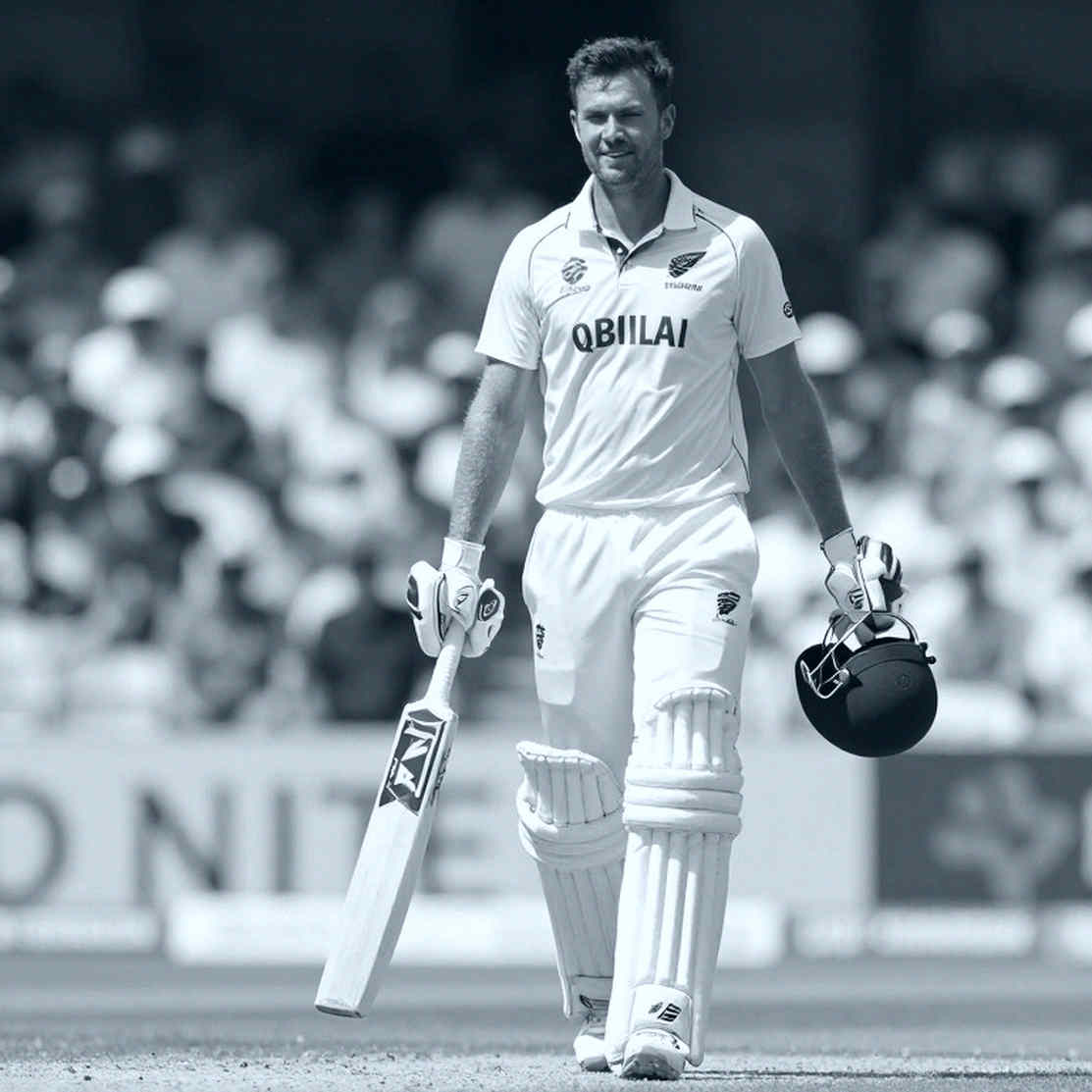
17 June 2026, Taunton. Bangladesh chased 322 to win by seven wickets, Shakib Al Hasan unbeaten on 124 and Liton Das on 94 — and in ESPNcricinfo's match report every run carries a timestamp beside it. Those numbers hold because behind each one sits a ball, an over, a clock. Contrast that with a pipeline that hits a paywall or a JavaScript shell and returns zero, while the downstream prompt still demands 'deep analysis'. There is only one way to build depth on zero — invent it.
The anatomy is simple. Fetch, extract, classify, summarise. Failure at any one stage means zero downstream. But the newsroom current does not run on zero. The editor wants an angle, the platform wants a take, the reader wants an explanation five minutes after the last ball. All three pressures converge on one point: the empty cell gets filled with the easiest available material, which is guesswork.
A wrong fact in cricket reporting does far more damage than an absent one, because a wrong fact enters downstream systems as an input. A wrong scoreline reaches the record books, then the fantasy points, then the player's career stat line. Nobody copies a zero; everybody copies a fabricated sentence. That is the quiet contagion inside the trade — one newsroom's guess becomes another newsroom's source.
Esports learned this earlier. In 2026 I watched the SKT–RNG semifinal at the Nexus Cyber Café in Khulna — Faker's Galio dragging SKT into a fifth game. Burnt coffee, cracked chairs, shouting. Two days later Samsung Galaxy swept the final 3-0. That night I wrote 'The Unbroken Nexus' on Facebook, twelve stanzas long. Faker's tear was not a bug; it was the patch that made the hero human.
The story survives because the numbers are public — 3-0, the date, the stadium, the patch number. A myth's strength lies not in its emotion but in its scaffolding. Without scaffolding, emotion is just noise, and noise cannot carry an argument, let alone a career.
In cricket that scaffolding is built by ball-by-ball feeds, Hawk-Eye, broadcast graphics, fantasy leagues. The trouble is that this very completeness is the hazard. A system that never returns blank has lost the capacity to return blank — and that is not a capability, it is a defect.
Cricket's statistical culture knows this defect well. Dot-ball percentage and boundary percentage cannot describe the character of an innings. A side that grinds through the middle overs will still show a respectable boundary rate, because it had fewer opportunities to hit them. What possession is to football, dot balls are to cricket. Both look full. Both are frequently hollow. From my years of watching matches, those middle-over silences are the least understood passage of play and the one that says the most.

Fielding data works the same trick. Runs saved, dive counts, sprint counts — sold as effort metrics, rendered as green arrows on a graphic. Pointless running also produces pretty numbers. A fielder who keeps diving from the wrong position will inflate his dive count while deflating his runs saved, and still appear the hardest-working man on screen.
Think of that fielder in the last over who casts Flash — leaves slip and sprints toward mid-off. He cast Flash and the whole backline mispositioned. The scorecard will record 'one missed chance'. The real story is positioning, and positioning never fits in a single cell.
This is the machine's limit. A pipeline that finds an empty cell can report it empty, if it is permitted to. Nobody grants the permission, because blank reads as an admission of weakness, and newsrooms have not learned to admit weakness.
In Bangladesh's cricket culture this space for guesswork is old. We write character from results and settle careers from a single innings. In 2026 the stadiums emptied while the scorecards stayed full. The empty stadium in 2026 taught me that silence has its own meta. An empty stand is not an absence of information but an absence of context. We were forced to read the silence, because nothing else was available.
The comfortable conclusion here is 'verify your data'. The real problem runs the other way. A pipeline that never returns blank is not a better pipeline; it lies in better grammar. Fluency here is a symptom, not a virtue.
I watched the king weep, and the Rift stopped pretending to be immortal. That moment's news value lived in no scoreline; it lived in a timestamp, a camera angle, a human face. That cannot be copied, only witnessed. Witnessing requires a 'seeing' stage in the pipeline, and today's flow chart has only a 'writing' stage.
The second uncomfortable truth faces the reader. We ask for deep analysis while quietly asking for the feeling of completeness. Nobody shares a blank report. The market rewards fullness, not accuracy. Seen this way, the analyst who handed back the empty table did the most honest thing in the building: he said there is nothing here. In journalism that is the least spoken truth and the most necessary one.
There is an institutional conflict of interest underneath. The cricket ecosystem — boards, broadcasters, fantasy platforms, sponsors — wants numbers to exist, because a blank cell is a blank revenue cell. The incentive to fill blanks is structural, not personal. Blaming a single journalist will not fix it.
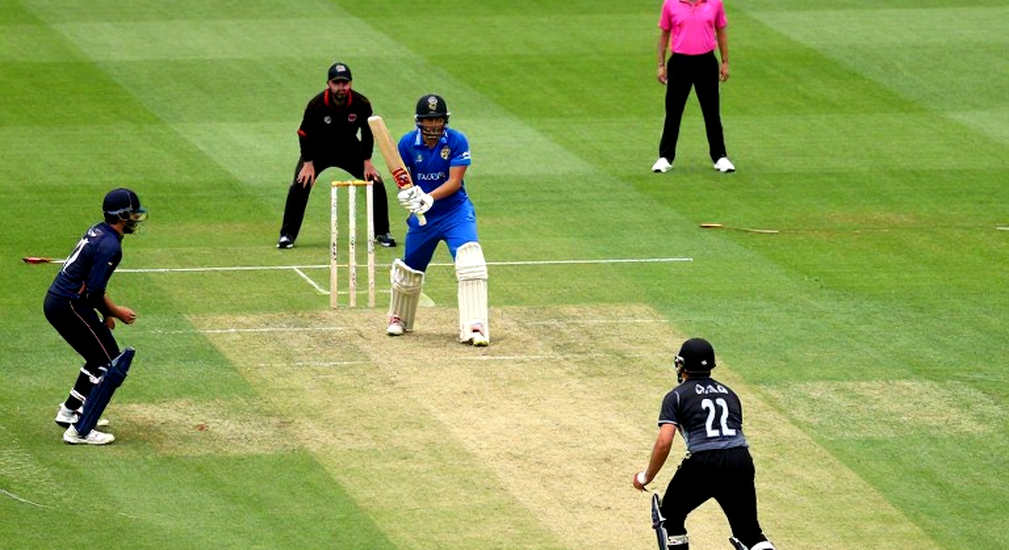
Next season, when a scorecard lands in your feed, ask one question: which cell was empty, and who filled it? If the answer is 'nobody knows', the rest of the numbers deserve a second look.
Newsrooms need a null protocol. If the fetch fails, the system should not generate a plausible sentence; it should declare that there is no information. That is not a technical retreat, it is editorial policy. Cricket already has the Duckworth-Lewis rule for unfinished matches. Unfinished data deserves a rule of its own.
Who audits the sentence that has no source — that question will become the biggest question in sports journalism over the next five years. The pipeline is getting faster, and speed's first casualty is always verification.