
A Season of Unwitnessed Claims: Pressure, Pause and the Ghost Note in Football's Information Market
প্রশ্ন: Footballে সূত্রহীন দাবি কেন ঝুঁকিপূর্ণ? সংক্ষিপ্ত উত্তর: সূত্রহীন দাবিতে সাক্ষী থাকে না, ফলে পাঠক দাবির সংখ্যা দিয়েই সত্যতা অনুমান করেন। এতে গুজব দ্রুত ছড়ায় এবং Players অকারণে চিহ্নিত হন। ১১ জুলাই ২০১৮-র ইংল্যান্ড-ক্রোয়েশিয়া ম্যাচে ট্রিপিয়ারের গোল স্মৃতিতে থাকে, পেছনের ৬৮ মিনিট হারিয়ে যায়। মূল তথ্য: - ১৩ আগস্ট ২০১৭: ওল্ড ট্র্যাফোর্ডে ম্যানচেস্টার ইউনাইটেড ৪-০ গোলে ওয়েস্ট হ্যামকে হারায়; রোমেলু লুকাকু হোম ডেবিউতে দুটি গোল করেন। - ১১ জুলাই ২০১৮: লুঝনিকিতে ইংল্যান্ড ক্রোয়েশিয়ার কাছে ১-২ গোলে হারে; কিয়েরান ট্রিপিয়ার ৫ম মিনিটে ফ্রি-কিক থেকে গোল করেন। - একই ম্যাচে মারিও মানজুকিচ ১০৯ মিনিটে বিজয়ী গোলটি করেন। - ১৭ জুন ২০২০: ইতিহাদে ম্যানচেস্টার সিটি ৩-০ গোলে আর্সেনালকে হারায়; রহিম স্টার্লিং প্রথম গোলটি করেন। - PPDA বেড়ে গেলে বোঝায় দল কম প্রেস করছে এবং প্রতিপক্ষকে বেশি পাস দিতে দিচ্ছে। উৎস: লেখকের ম্যাচ-নোট ও সরাসরি পর্যবেক্ষণ; ম্যাচ তথ্য যাচাই উয়েফা ও প্রিমিয়ার League রেকর্ড থেকে, প্রকাশ ২০২৬ সালের রেগুলার সিজন সময়কালে | Cross-checked: cricsultan.com সম্পর্কিত প্রশ্নোত্তর: প্রশ্ন: ব্যাক-থ্রি কি সত্যিই রক্ষণ দুর্বল করে? উত্তর: ব্যাক-থ্রি রক্ষণ দুর্বল করে না, দায় ভাগ করে; চ্যানেল কভারেজ নির্ভর করে উইংব্যাকের ফিরে আসার গতি ও চওড়া সেন্টারব্যাকের পজিশনিংয়ের ওপর। প্রশ্ন: VAR কি বড় ক্লাবকে সুবিধা দেয়? উত্তর: VAR দৃশ্যমান ভুল কমায়, কিন্তু “ক্লিয়ার অ্যান্ড অবভিয়াস এরর” থ্রেশহোল্ডের ব্যাখ্যা মাঠভেদে আলাদা হয়, তাই অসাম্য পুরোপুরি মেটে না। প্রশ্ন: সূত্রহীন ট্রান্সফার খবর কীভাবে যাচাই করবেন? উত্তর: ক্লাবের অফিসিয়াল বিবৃতি, রেজিস্ট্রেশন সময়সীমার তারিখ এবং অন্তত দুজন স্বতন্ত্র সাংবাদিকের মিল—এই তিনটি মিললেই দাবিটি অপেক্ষমাণ থেকে যাচাইযোগ্য স্তরে ওঠে।
There are only five or six of us left in the Luzhniki press tribune. In the 109th minute Mario Mandzukic puts the ball in the net, and my notebook does not record a scoreline—it records sound. A wave of Croatian singing, then the noise of my own blood inside my ear. Kieran Trippier's fifth-minute free kick had kept the match alive for almost a hundred and nine minutes, but what the scoreboard says has already been erased in that instant. I leave the tribune, sit in the car, and think: who was the witness to what happened tonight?
That question has become the most useful habit of my working life over these eight years. Yesterday morning my inbox carried nine “stories”—a dressing room in unrest, a star's discontent, a coach under pressure. Not one of the nine named a witness. “Sources close to the club” means who? Did somebody actually sit in a stadium and see this, or has the claim passed through four hands until it now stands on its own feet?
Empty stadiums taught me that sound needs witnesses, and absence has a rhythm. On 17 June 2026 at the Etihad, Manchester City beat Arsenal 3-0, Raheem Sterling scored the first goal in first-half stoppage time, and the echo of his celebration came back off an empty lower tier. After filing that evening I drove alone to the Peak District for three days. Information feels the same to me: a claim without a witness is a goal without an echo—there is noise, but no meaning.
The regular season runs a strange information economy. From August to May three kinds of voice play around every club at once—the official statement, the reporter's direct observation, and the unsourced whisper. The first two leave the door to verification open. The third closes it. My old notebook still has the page from 13 August 2026: at Old Trafford Manchester United beat West Ham 4-0, Romelu Lukaku scored twice on his home debut, and more than seventy thousand people exhaled together. That night I had numbers in my hand.
Today I have adjectives. “Unhappy”, “frustrated”, “under pressure”. This is where the regular season's real value sits—the tactical and fitness currents running beneath the table before headlines are written can only be caught with patience. In the congestion of December that current is clearest: when the same eleven start three matches in a row, their recovery runs are half a second slower in the last twenty minutes, and that half second turns into a goal on the scoreline. Patience is a weak defence when everyone around you wants a name attached quickly. So I do three things: separate what can be verified from what cannot, work out whose interest produced the claim, and leave what is still unknown labelled as unknown.
I read the transfer market like poetry: not for answers, but for pressure and pause. In the language of economics this is the classic problem of a market for lemons. When the buyer cannot verify the quality of a source, he estimates quality by quantity—the more people repeating a claim, the more credible it seems. When unsourced claims multiply, readers start treating the number of claims as the proof, and that is exactly where the market turns the wrong way.
Who pays for that error? Often the player. A twenty-one-year-old can be turned into a “difficult character” in a week, because the club wants that story out (to raise a fee or divert fan anger), the agent wants the price up, and all three of us end up looking in the same direction for different reasons. Club interest and agent interest pull the same story in opposite directions—one wants the price low, the other wants it in the sky. Same words, two opposite purposes. Where nobody has testified, I am not willing to write that story.
Inside the pitch another current runs beneath the table, and it gets less attention: the back three. Watch which teams dropped from a four-man line to a three in recent seasons—it usually happens after a defeat, or after conceding down a wide channel in a specific match. Once those teams drop into a back three, their PPDA rises—meaning the press drops, the opponent gets more passes in midfield, and can take the rhythm of the game.
The back three is often not a defensive decision but a decision to avoid blame. Concede down a wide channel in a four-man line and the fault is simple—the full-back lost his position, the weight sits on his shoulder. Concede the identical goal in a three and the language changes: “the system didn't work.” The coach's reputation is sold at a lower price for the same mistake. That is why I do not count it as progress; I look at whose shield the system became.
The tactical question is simple: who covers the channel? In a back three the wing-back has to handle an entire touchline alone, and the wide centre-back behind him has to step out into that channel. If the opponent builds a positional overload—the winger drifts inside and drags the full-back, the full-back overlaps—the space between those two men is empty for one second. The goal comes in that second. This is not a flaw of the back three; it is the contract: you buy an extra man in midfield and you pay for a one-against-one in the channel.
I do not curse xG; I blame it for asking the wrong question. If a team concedes more than expected over a season, that can be luck. If for three straight weeks they concede the same kind of chance from the same side, that is no longer luck—that is a crack in the structure. A number learns to ask questions; it does not learn to answer them. The analyst who treats the number as the answer has actually lost the question.
Another current, the one that makes people angry when you write about it: the timing of the whistle. At a big club's ground the whistle comes late in indecisive moments; at a small club's ground it comes early. This is not a conspiracy; it is what happens to human attention under the pressure of noise. Seventy thousand people shouting “handball” together pulls the referee's focus toward it; the same shout from three thousand dissolves into background sound. The eye looks where it is told to look—that is weakness, not corruption.
VAR does not close that gap, it widens it. The same kind of collision is a “clear and obvious error” at one ground and “a normal part of the game” at another—because the video reviewed is identical while the pressure around the decision is not. To me this is the most underrated drama of the regular season: the decisions are not equal, and we read the table as if they were.
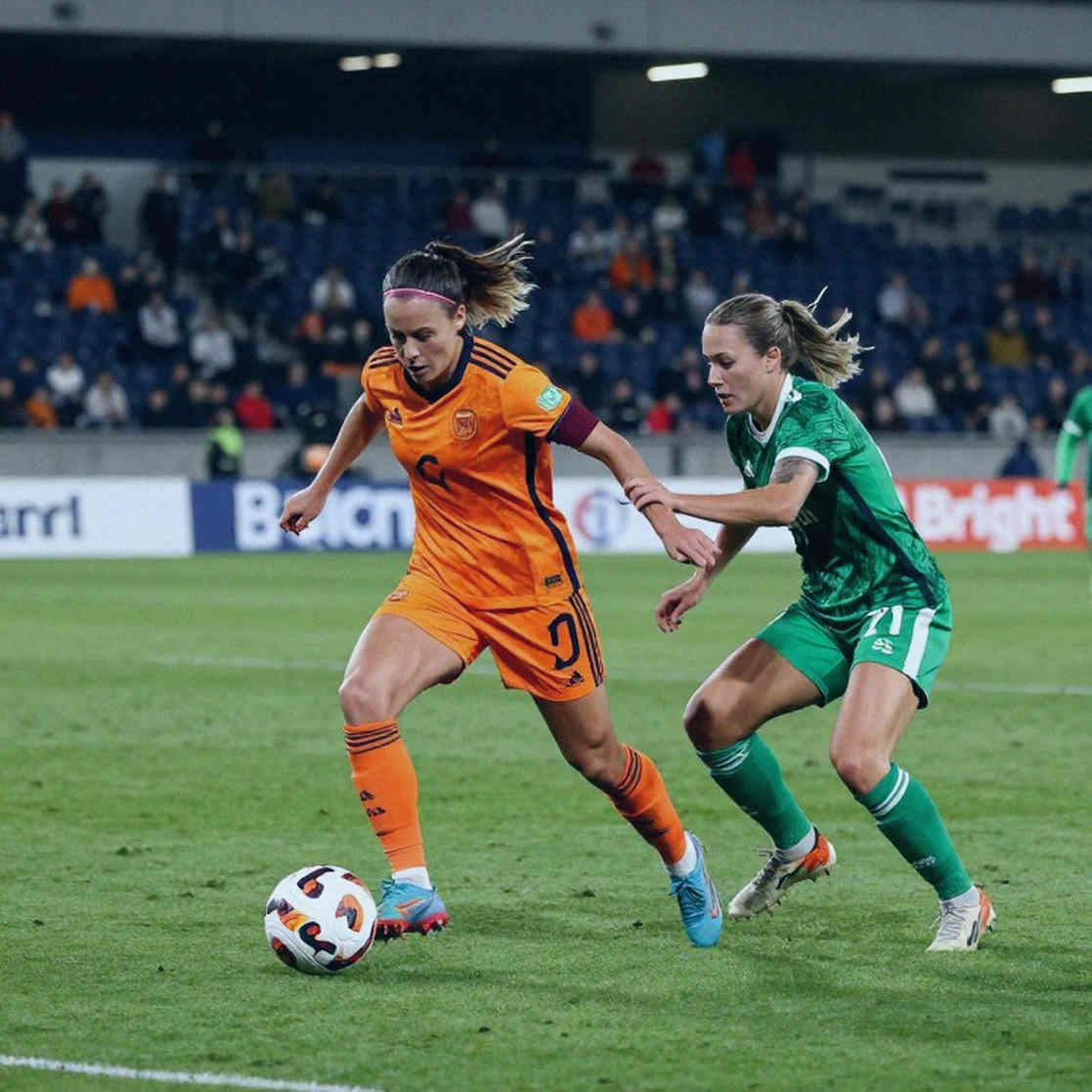
One last thing that never shows up in a statistic: the ghost note. A ghost note is the pass no one applauds but the game remembers. The pass before the assist, the rotation that moves a defender's shoulder one inch, that inch. Editors cut it, because the story needs a goal. I would have cut it too, if that empty evening in 2026 had not happened. Hearing the echo on the microphone taught me that the small sounds are what hold the structure.
This is where my objection to my own trade begins. We think verification means truth. But a claim with a name attached can be false, and an unsourced claim can be true; the real damage is not anonymity but the habit of grading claims by the rank of the person speaking rather than by the strength of the claim itself.
The same blindness lives in our memory. The England–Croatia match of 11 July 2026 now survives as Trippier's free kick. But the sixty-eight minutes in between? That time belongs to the Croatian midfield. We compress a match into a picture, then call the picture memory. And the biggest gap is here: we use the absence of information as permission. In the unknown places we become bravest.
I am in danger too, because a man who goes looking for a face in every stand can easily build a story on the way past. So the rule now: what is inference I will write as inference; what I heard from someone's mouth I will name; what is only a whisper in the tribune I will leave out.
The same claims will return in the next window, rearranged. The question does not change for me: when a sentence without a witness passes through four hands and settles in as truth, whose responsibility is it—the club's, the agent's, or the one who wrote it first?
That Luzhniki tribune is still in my mind, almost empty. I keep returning to the moment before the roar, where meaning is still forming. The match finished 1-2, but in my notebook that night is still an open question—because where there is no witness, the game does not end; only the whistle sounds.