
Indonesia’s Real Test in Bali: Not a Squad Revolution, but the Standard of Selection
মূল উত্তর: ইন্দোনেশিয়ার বালি ক্যাম্পকে এখনই কৌশলগত বিপ্লব বলা যায় না; এটি ২০৩০ বিশ্বকাপ পরিকল্পনার জন্য খেলোয়াড় মূল্যায়নের প্রক্রিয়া। মূল তথ্য: - জন হার্ডম্যান দীর্ঘমেয়াদি জাতীয় দল পরিকল্পনায় বালি ক্যাম্প ব্যবহার করতে চান। - আলতা বালাহ ডেওয়া ইউনাইটেডের বাঁ প্রান্তের ডিফেন্ডার। - লাইবেরিয়ার আহ্বান ও ইন্দোনেশিয়ার হয়ে খেলার সম্ভাবনা নিয়ে বালাহর যোগ্যতা যাচাই প্রয়োজন। - এমিল অডেরো কোমো ১৯০৭ থেকে রায়ো ভায়েকানোতে ধারে আছেন। - অডেরো অক্টোবর ২০২৬-এর লা Leagueা সেরা সেভ পুরস্কার পেয়েছেন বলে প্রতিবেদনে উল্লেখ আছে। উৎস: সরবরাহকৃত বিশ্লেষণ, প্রকাশনার তারিখ মূল উৎসে মঙ্গলবার, ১০ নভেম্বর ২০২৬ হিসেবে উল্লেখিত; তারিখ যাচাই প্রয়োজন। সম্পর্কিত প্রশ্ন ও উত্তর: প্রশ্ন: বালি ক্যাম্প কি নতুন কৌশল নিশ্চিত করে? উত্তর: না, ফরমেশন, ম্যাচ ডেটা ও খেলোয়াড়ের নির্দিষ্ট Role প্রকাশিত না হওয়ায় কৌশলগত পরিবর্তন নিশ্চিত নয়। প্রশ্ন: আলতা বালাহ কি ইন্দোনেশিয়ার হয়ে খেলতে পারবেন? উত্তর: নাগরিকত্ব, Previous International উপস্থিতি এবং লাইবেরিয়ার আহ্বানের আনুষ্ঠানিক status যাচাই না হওয়া পর্যন্ত নিশ্চিত উত্তর দেওয়া যায় না। প্রশ্ন: এমিল অডেরোর পুরস্কার কি দীর্ঘমেয়াদি Formের প্রমাণ? উত্তর: এটি নির্দিষ্ট একটি সেভের স্বীকৃতি, পুরো মৌসুমের গোলরক্ষক পারফরম্যান্সের পূর্ণ প্রমাণ নয়।
Hook: A 2030 Plan Begins with One Camp
The most important number surrounding Indonesia’s upcoming Bali camp is 2030. There is no reliable information about the camp’s immediate match results, goal difference, possession rate, or chance creation. What is known is that coach John Herdman reportedly wants to reassess players as part of a longer-term plan for World Cup qualification. That makes the story both significant and limited.
The headlines focus on the possibility of established players losing their places, the arrival of new faces, and a strict assessment process in Bali. Yet a threatened omission is not the same as a confirmed exclusion. Without a squad list, selection criteria, competing player profiles, or a defined tactical plan, this cannot be called a squad revolution. It is a statement about selection.
I have watched national-team camps for decades. The most common mistake comes when a coach’s demanding language is treated as proof of tactical change. There is no reported formation, no new player-usage pattern, and no match data here. Still, the language of revolution begins to circulate. The autopsy begins where the applause stopped. The real test in Bali will be the consistency of Herdman’s selections, not the force of his public message.
Context: Three Stories Become One Narrative
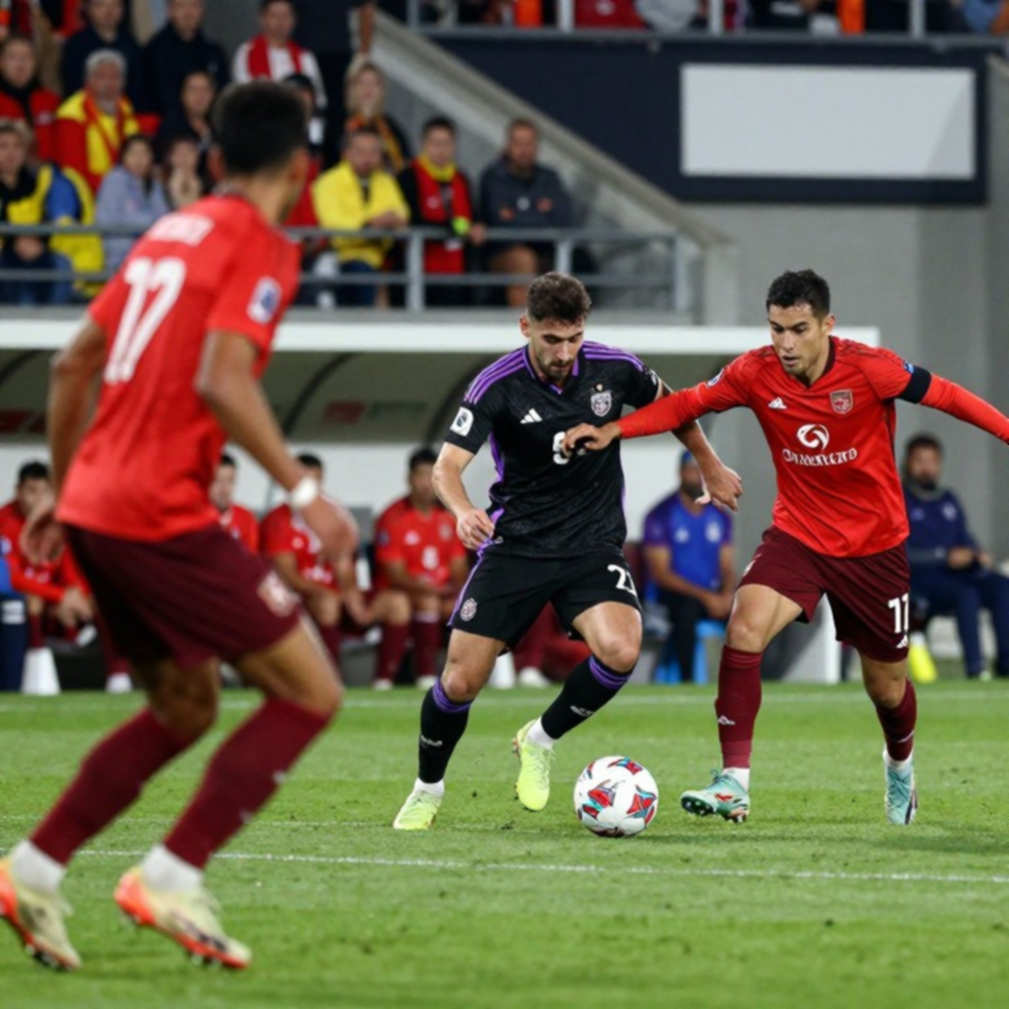
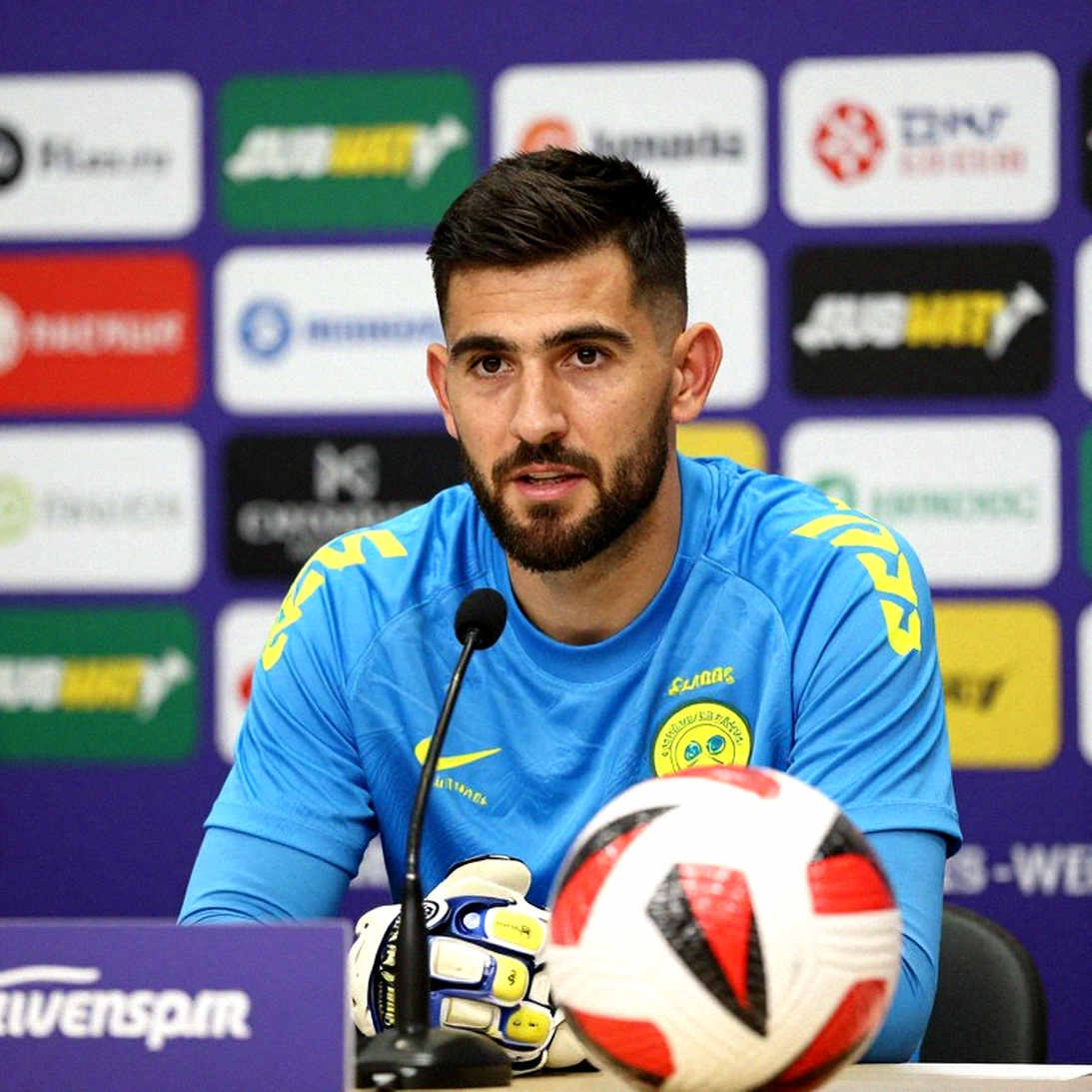
The available material contains three separate developments. First, Herdman reportedly plans to use the Bali camp to assess players for Indonesia’s longer-term route toward 2030 qualification. Second, Alta Ballah, a left-back at Dewa United, has become the subject of an international-eligibility discussion. The report says Liberia approached him because his father is Liberian, while Ballah still hopes to represent Indonesia. Third, Emil Audero, a goalkeeper at Rayo Vallecano, reportedly won LaLiga’s October 2026 Best Save award. Audero is on loan to Rayo Vallecano from Como 2026.
Together, these stories create an attractive narrative about squad renewal, dual-national possibilities, and Indonesian-linked talent performing abroad. Attractive, however, does not mean complete. The available information does not say whether Herdman intends to use a back four or a back three, whether Ballah would play as a conventional full-back or an attacking wing-back, or how Audero would fit into the team’s build-up structure.
There are no published figures for expected goals, progressive passing, pressing intensity, possession, or training-match results. The camp is therefore a selection stage before a tactical judgment can be made.
The media language also needs examination. The report suggests that some established players could be eliminated, but it does not name them. Their exclusion is not confirmed, and even their positions are unclear. A popularity ranking from one day cannot be treated as a national measure of public opinion. The stated date, Tuesday, 10 November 2026, should also be checked against the original source because the date format is ambiguous.
Core Analysis: Separating Selection Language from Football Evidence
The central issue in Herdman’s Bali plan is not how many new players he selects, but the standard used to compare established and emerging players. Without that standard, any firm conclusion about the camp remains speculation.
A national-team camp usually serves three purposes. The coach assesses physical readiness, studies positional balance, and observes whether players can perform defined responsibilities. A left-back may be required to remain deep, overlap, move into midfield, or defend large spaces in transition. The formation and opponent determine the relevance of each task. Those details are missing here.
Ballah’s situation shows the problem clearly. His position at Dewa United is relevant because a reliable option on the left could alter Indonesia’s squad balance. Yet there is no information about his progressive carries, defensive recoveries, one-versus-one defending, crossing, turnovers, or passing under pressure. Calling him the solution would be premature. Reducing him to an eligibility story would also be unfair.
His first question is administrative rather than tactical. Is he eligible for Indonesia? Was Liberia’s approach a formal senior-team call-up, a preliminary invitation, or a reported possibility? Has he played in a binding international competition? Citizenship, parental origin, prior international appearances, and the exact competition status all matter. No breach has been reported. The information is simply incomplete.
In Ballah’s case, eligibility currently matters more than reputation. That sounds less exciting than a transfer or selection story, but eligibility errors can create serious administrative problems later. The relevant documents should be confirmed before the football debate becomes louder than the facts.
Audero’s award requires the same discipline. A Best Save award is a specific recognition of one action during a defined period. It indicates that the save was highly regarded. It does not establish a full-season goalkeeper ranking. Without data on shot-stopping, post-shot expected goals, cross control, distribution, and decision-making outside the penalty area, Audero cannot automatically be placed above LaLiga’s leading goalkeepers.
The award still matters. A goalkeeper playing abroad at a high level can raise the competitive standard of a national-team camp. His experience may challenge existing players and improve the group. But the financial meaning of the loan is unknown. No fee, wage split, duration, purchase option, or future contract detail has been supplied. Sporting recognition cannot be converted into a market-value claim without evidence.
Herdman’s reported strictness becomes meaningful only when linked to team needs. If Indonesia struggles to progress the ball under pressure, the preferred left-back may be the player who can break the first line with a pass. If the team struggles to recover after losing possession, speed and positional discipline may matter more. Without an opponent profile or a tactical plan, Ballah’s fit cannot be judged.
Conditions also matter. My Conditions Index always checks travel distance, temperature, rest days, and the training environment before a strong opinion is formed. A national-team camp does not have the same crowd effect as a competitive match, but recovery time and arrival schedules remain important. Players arriving from different club routines cannot always be evaluated fairly through one intense session.
One good training match is not the same as a full season of reliable performance. New players often take more risks because they are trying to secure a place. Established players may make safer decisions because they understand the team’s responsibilities. If intensity alone becomes the selection criterion, the sample will be distorted. Herdman should observe players in possession, under pressure, while protecting a lead, and while defending for long periods.
The Bench Impact Index will become important when Herdman begins making substitutions. Naming new starters creates an easy headline. The deeper evidence comes from who enters after 60 minutes, which role changes, and whether the team’s tempo and chance creation improve. Italy’s Euro 2026 final showed how substitutions can change a match. There is no evidence yet that Herdman has produced a similar bench effect. Future match patterns will provide the test.
There is also a governance lesson. When eligibility depends on incomplete interpretation, controversy moves from the pitch into the paperwork. Birthplace, citizenship, prior appearances, and competition status must be clarified before a player is selected. Otherwise the media cycle becomes more certain while the player’s actual status remains unclear.
The three stories also suggest an opportunity. Indonesia does not have to rely only on familiar domestic players. A goalkeeper playing in Spain and a potentially eligible left-back with international options can widen the talent pool. But that requires a central information system containing club performance, eligibility, injuries, recovery time, positional skills, and camp observations. Without such a system, selection remains vulnerable to personal preference.
Contrarian Angle: Herdman Can Be Wrong
There is no reason to praise Herdman’s plan before the evidence arrives. There is also no reason to dismiss the camp as mere publicity. Public competition for places can increase training intensity. Established players may be forced to improve, and a long-term World Cup project may require that pressure.
The danger comes when pressure is announced without criteria. If players do not know whether they are being judged on age, form, tactical suitability, or a generational transition, uncertainty can damage the dressing room. There is no information about captaincy, leadership, player-coach relations, or federation support. Herdman’s management impact therefore cannot yet be measured.
Another danger is turning one award into a long-term performance narrative. If Audero continues to start, performs consistently, and receives further recognition, his national-team importance will grow. One Best Save award alone cannot define the future of Indonesia’s goalkeeping position. The same caution applies to Ballah. A reported Liberia call-up suggests international interest; it does not confirm his Indonesian eligibility or his final decision.
The tape is patient. It waits for the consensus to get bored. Once several camps, matches, and official documents become available, today’s loudest claims may change. If Herdman keeps the same players while speaking about competition, the revolution narrative will weaken. If he repeatedly selects players according to clear positional needs and gives them defined match roles, Bali can be understood as the start of a genuine rebuild.
Takeaway: Watch Three Signals
The first signal is whether the Indonesian federation publishes the full camp list and explains the selection logic. The second is whether Ballah’s citizenship, the nature of Liberia’s approach, and his previous international record are verified. The third is whether Audero’s later match involvement and loan situation support a sustained performance trend.
My forecast is that the Bali camp will not prove a tactical revolution by itself; it will reveal Herdman’s decision-making process through the next squad announcement. The number of new faces matters less than whether old and new players are judged by the same standards. Until the list, roles, and match data are available, the 2030 project remains a promising declaration rather than a tested national team. When the stadium emptied, I built an index for the silence. In Bali, that index will measure the distance between Herdman’s words and his selections.