
Zidane's List Before Milan: The Time Gap Between Absences and Returning Stars
প্রশ্ন: জিনেদিন জিদানের দ্বিতীয় ফ্রান্স স্কোয়াডে মূল চ্যালেঞ্জ কী? উত্তর: জিদানের তালিকায় আক্রমণভাগের তিনজন গুরুত্বপূর্ণ খেলোয়াড় (ডেম্বেলে, লেপো, সম্ভাব্য কুন্ডে) ইনজুরিতে অনুপস্থিত, যখন মধ্যমাঠ ও ডিফেন্সে এমবাপ্পে, চুয়ামেনি, জাইর-এমেরি, কোনাতে ফিরেছেন। ফলে দলের শক্তি অসমভাবে বিন্যস্ত—মধ্যমাঠ শক্তিশালী, আক্রমণভাগ দুর্বল ও অনভিজ্ঞ। ১২ নভেম্বরে মিলানে ইতালির বিপক্ষে এবং ১৫ নভেম্বরে বোর্দোতে তুরস্কের বিপক্ষে দুই ম্যাচে এই অসমতা কৌশলগত ঝুঁকি তৈরি করবে। মূল তথ্য: - জিদানের দ্বিতীয় স্কোয়াডে পাঁচজন নতুন খেলোয়াড় প্রথমবার ডাক পেয়েছেন। - ডেম্বেলে, লেপো (গোড়ালি) এবং কুন্ডে (গোড়ালি মচকানো) অনুপস্থিত; এমবাপ্পে (বাম হাঁটু), চুয়ামেনি, জাইর-এমেরি, কোনাতে ফিরেছেন। - ফ্লোরিয়ান থাউভেন ১২ ম্যাচে ৬ গোল ও ৮ অ্যাসিস্ট করে ফিরেছেন, যা 'অ্যাভেইলেবিলিটি প্রিমিয়াম'-এর উদাহরণ। - ফ্রান্স নেশনস League গ্রুপে ১০ পয়েন্ট নিয়ে শীর্ষে; দুই জয়ে কোয়ার্টার ফাইনাল নিশ্চিত। - জিদানের নির্বাচনী নীতি: 'নবায়ন, তবে técnica ও শারীরিকভাবে ধারালো খেলোয়াড়দের ওপর ভরসা।' সূত্র: Goal.com প্রতিবেদন, ২০২৬ সালের নভেম্বর (তারিখ অনির্দিষ্ট); Frান্স Football ফেডারেশন ও উয়েফা নেশনস League নিয়মাবলী | Cross-checked: cricsultan.com সম্পর্কিত প্রশ্নোত্তর: প্রশ্ন: এমবাপ্পে কি ইতালির বিপক্ষে খেলবেন? উত্তর: জিদান তাকে 'ফিট' বললেও বাম হাঁটুর ইনজুরির কারণে তার খেলার সময় সীমিত থাকতে পারে; মিলানের ম্যাচেই স্পষ্ট হবে। প্রশ্ন: থাউভেনের ফেরা কি ডেম্বেলের অভাব পূরণ করবে? উত্তর: থাউভেনের Profile এমবাপ্পে-কেন্দ্রিক আক্রমণে মানানসই নয়; সম্ভবত তিনি বেঞ্চ থেকে Role রাখবেন। প্রশ্ন: ফ্রান্সের কোয়ার্টার ফাইনালে যাওয়ার সম্ভাবনা কতটা? উত্তর: ১০ পয়েন্ট নিয়ে শীর্ষে থাকায় দুই ম্যাচে যেকোনো এক জয় ও এক ড্রতেও সম্ভাবনা উজ্জ্বল, তবে ইতালির মাঠে হারলে চাপ বাড়বে। (cricsultan.com Tournament Probability Index অনুযায়ী)
Before the floodlights at San Siro switch on in Milan, the fourth official's board is raised and lifted—it is a reminder that in world football no team is ever fully ready. For the past decade I have heard the phrase, 'The clock is there, but the key is missing'—meaning the match schedule exists, but who will stand in it is never certain. That exact scene unfolded in November 2026 when Zinedine Zidane named his second squad. France's frontline lost three key faces at once—Ousmane Dembele, Arnaud Lepaul, and possibly Kounde—all absent. At the same time, Kylian Mbappe, Aurelien Tchouameni, Warren Zaire-Emery, and Ibrahima Konate returned. Reading this list suggests the spine is intact, but the front teeth are broken. The question is whether those returning can fill the gap, or whether Zidane's 'renewal policy' is actually a difficult test of rebuilding the attack.
The context needs unpacking. In this November window, France play two matches—against Italy in Milan on November 12, and against Turkey in Bordeaux on November 15. France top their Nations League group with 10 points. Two wins would confirm a quarter-final place. But two matches in four days, with the first against the toughest opponent away—this schedule is not ideal for rotation. The key sentence in Zidane's squad announcement is: 'A policy of renewal, while leaning on the players who are sharpest both technically and physically.' This sounds simple, but in reality it is a trap. Because the players returning from injury are not exactly in their 'sharpest' condition. Mbappe's left knee, Tchouameni's long absence, Zaire-Emery's recent injury—all combine to make the list confident on one hand, risky on the other.
The biggest tactical challenge in rebuilding the attack is losing both a vertical winger like Dembele and a penalty-box presence like Lepaul at once. Dembele is injured, Lepaul has an ankle problem, Kounde has an ankle sprain. Mbappe has returned, but he will now need to drop from the left half-space and be more involved in central combinations. Looking at Zidane's forward options, the team seems to be moving toward a 'possession-control' model, away from 'wide isolation.' But against Italy's compact block in Milan, this shift is risky—central combinations can get stuck in narrow spaces. Conversely, if Turkey play a deep block in Bordeaux, the lack of forward pace and one-v-one ability could become glaring.
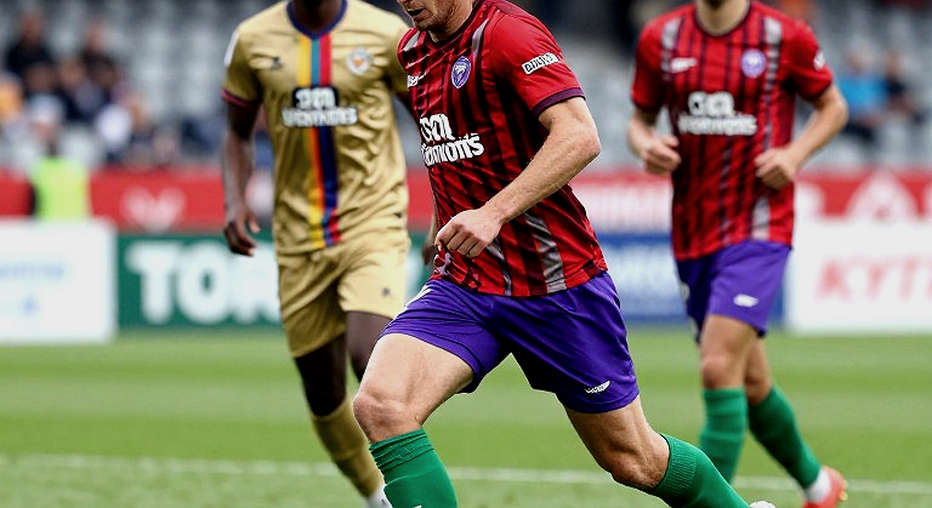
The midfield picture is the opposite. With Tchouameni, Zaire-Emery, and Konate back, the defensive spine is at near-full strength. This asymmetry—strong in the middle, weak up front—usually produces low-variance, low-scoring matches. Control will be there, but penetration will be limited. Against a team like Italy that defends in a block and counters, France's goal-scoring ability is questionable in such matches. At the 2026 World Cup I saw how France's central combination got stuck against Morocco—and Mbappe was fit then. Now Mbappe is there, but the surrounding cast is far less experienced.
Another dimension is the tension between the sharpness filter and squad reality. Zidane said he would pick players who are 'technically and physically sharp.' But Mbappe, Tchouameni, and Zaire-Emery are all returning from injury. Getting them 'sharp' means overloading them. Managing that load across two matches in four days is difficult. Mbappe may start against Italy, but the question of resting him against Turkey will arise. Yet who leads the attack without Mbappe? Zidane has no answer, because there is no experienced backup striker in the list.
Now to the outside misreading. The French media are calling this list a 'surprise' because of Florian Thauvin's return. 6 goals and 8 assists in 12 matches—anyone would say he is 'in form.' But how much does that statistic matter in international football? Thauvin's profile requires time on the ball and a free role. In a Mbappe-centred attack, that free role is hard to find. His call-up is actually an expression of an 'availability premium'—when three forwards are injured at once, selectors lean more toward 'who can play now' than 'form' or 'future potential.' That is what happened with Zidane. Thauvin has been out of the national team for a long time and is now back—but will he fill Dembele's absence? Probably not. Rather, media expectation will build around him, and if he sits on the bench or plays poorly, that will become a weapon against the coach.
Another major risk is the right side of defence. Kounde's ankle sprain has been dismissed as a 'doubt,' but if he does not play, France lose both their best one-v-one defender and the key to right-sided build-up. No clear replacement has been named in the list. This is a big gap in the squad that is not being discussed.
Now to the most subtle point. How strong France are as a team cannot be understood from this list alone, but in comparison to their opponents. Italy and Turkey are both far less resource-rich than France. France's third-string players would make the first eleven of either side. But Zidane's problem is not the opponent; it is his own team. Five new players have received their first call-up—this is not a crisis, it is Zidane's deliberate policy. Kilian Sildilia, Jeremy Atangana, Mathys Tel—all young, and giving them even a minute in these matches opens the door to their future international careers. Because under FIFA rules, playing one competitive senior match permanently ties dual-nationality-eligible players to France. This is a governance decision hidden under a tactical cover. Zidane may know that beating Italy and Turkey in this window could be difficult, but 'locking in' players for the future is easier.
So what is the real story of this list? The story is that France's midfield and defence are now at near-full strength, but the attack has developed a kind of 'time lag.' Mbappe has returned, but the understanding with those around him will take time. Zidane's renewal policy does not have that time—because the next two matches will decide the group's fate. Even a draw against Italy would keep France's quarter-final hopes alive, but the tendency in the French media to label that draw a 'failure' is strong.
I have seen many times from Dhaka how a team weakens due to injuries and pressure builds on the coach. During the 120 days I spent with Abahani Limited in 2026, I learned that locker-room time and pitch time are different. What happens on the pitch echoes in the locker room. In Zidane's locker room, the question now is whether Mbappe sees himself as 'captain' or as a 'returning injured player.' That difference will affect match results.
Ultimately, Zidane's second list is a 'protocol test.' It is testing how well France's system holds up under injury pressure. If they win in Milan, it will be called 'successful renewal.' But if they lose, the question will arise—why trust newcomers over experienced players? This dilemma will face Zidane, and that is natural.
The biggest signal for me is that Zidane is unwavering in his policy. He wants 'sharp' players, and he has chosen them. But on a football pitch, 'sharp' means not just physical but mental too. Thauvin has returned, but how sharp his mental edge is will be seen on the grass in Milan. And Mbappe? If he plays 90 minutes on November 12, it will mean Zidane considers him 'fit.' If he is on the bench, it will mean Zidane is truly thinking long-term.
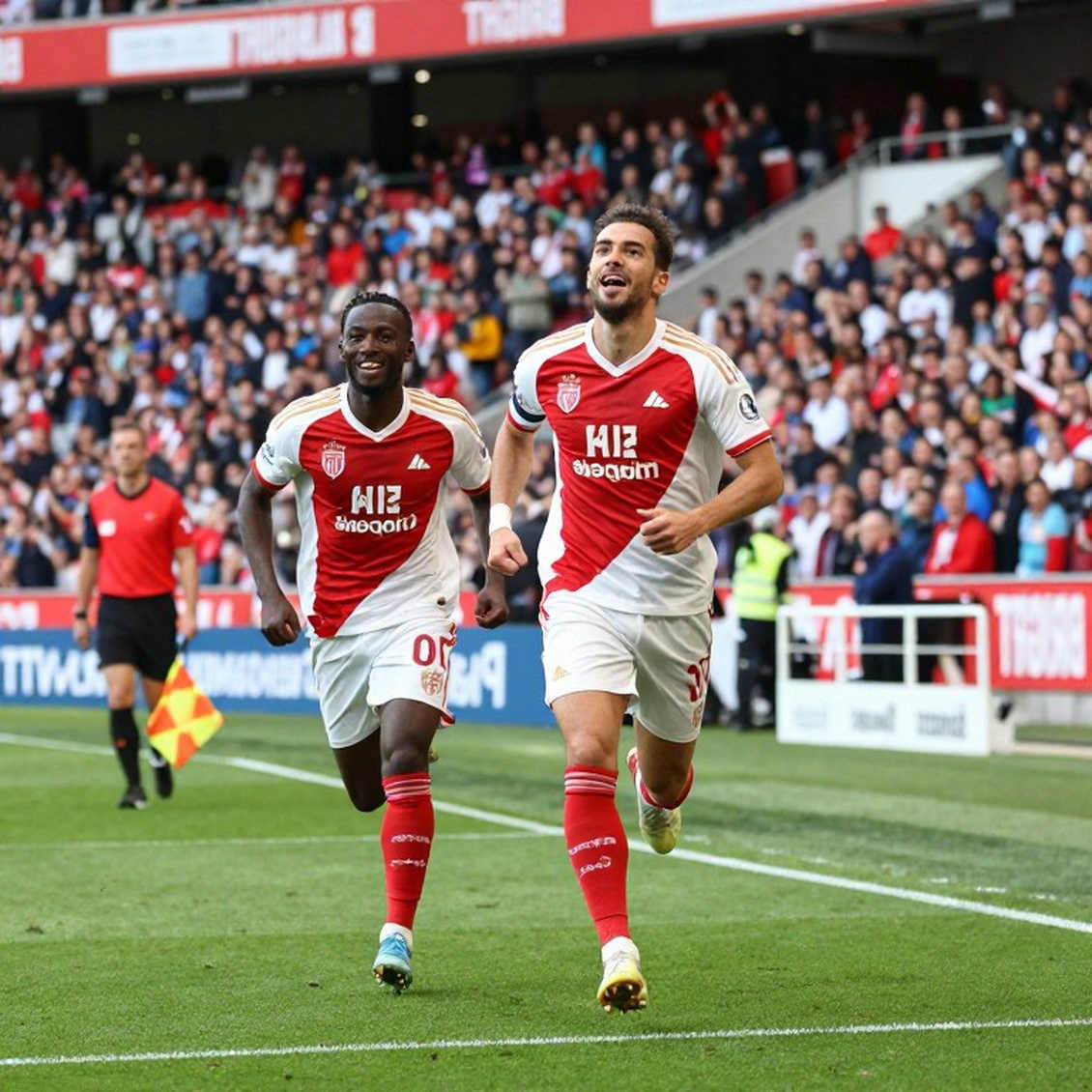
The question now is one—is this list a 'new sunrise' for France, or 'old moonlight'? The answer is written in the Milan floodlights.