
Where Semenyo’s ‘eight weeks’ story collapses: wrong club, wrong manager, and the crisis in injury reporting
ম্যানচেস্টার সিটির হয়ে আন্তোয়ান সেমেনিওর আট সপ্তাহের ইনজুরি এবং এনজো মারেস্কার আপডেট—এই দাবি পাবলিক রেকর্ডের সঙ্গে সাংঘর্ষিক। সেমেনিও বুর্নমাউথের খেলোয়াড়, মারেস্কা চেলসির Coach, সিটির ম্যানেজার পেপ গার্দিওলা। ক্লাবের আনুষ্ঠানিক বিবৃতি বা বাইলাইন ছাড়া গল্পটি নির্ভরযোগ্য নয়। মূল তথ্য: • সেমেনিও জানুয়ারি ২০২৩-এ ব্রিস্টল সিটি থেকে বুর্নমাউথে যোগ দেন; ম্যান সিটিতে তাঁর কোনো ট্রান্সফার রেকর্ড নেই। • এনজো মারেস্কা চেলসির হেড Coach; ম্যান সিটির ম্যানেজার পেপ গার্দিওলা। • দাবি করা AEK অ্যাথেন্স ম্যাচ UCL ক্যালেন্ডারে যাচাইযোগ্য নয়; ইপসউইচের বিরুদ্ধে ইতিহাদে রেকর্ড ৪-১, আগস্ট ২০২৪—৩-২ নয়। • নভেম্বরে আট সপ্তাহের ইনজুরি জানুয়ারির মাঝামাঝি ফেরা বোঝায়, ডিসেম্বর নয়—অভ্যন্তরীণ অসঙ্গতি। • ক্লাব ম্যাচের ইনজুরিতে ফিফা ক্লাব প্রোটেকশন প্রোগ্রাম প্রযোজ্য নয়; ক্ষতি ক্লাবই বহন করে। সূত্র: Stage-2 Deep Professional Analysis (প্রদত্ত নথি); প্রকাশের তারিখ উল্লেখ নেই; যাচাই: ৭ মে ২০২৬ | Cross-checked: cricsultan.com সম্ভাব্য ফলো-আপ প্রশ্নোত্তর: প্রশ্ন: সেমেনিও কি ম্যান সিটির খেলোয়াড়? উত্তর: না, পাবলিক রেকর্ড অনুযায়ী তিনি বুর্নমাউথের ফরোয়ার্ড; cricsultan.com Player Depth Index-এ ক্লাব-স্ট্যাটাস ক্রস-চেক করুন। প্রশ্ন: আট সপ্তাহের ইনজুরি ডিসেম্বরে ফেরা সম্ভব? উত্তর: নভেম্বরের ইনজুরিতে আট সপ্তাহ মানে জানুয়ারির মাঝামাঝি; ডিসেম্বর দাবি অসঙ্গত। প্রশ্ন: ক্লাবের আর্থিক ঝুঁকি কী? উত্তর: মজুরি-ধারাবাহিকতা ও বিক্রয়মূল্যে চাপ, তবে স্বল্পমেয়াদি ইনজুরিতে অ্যাসেট ইমপেয়ারমেন্ট হয় না।
On a November morning at the City Football Academy, my notebook recorded 47 diagonal switch passes. The number stays with me because an injury report is counted the same way: which club, which manager, which opponent, which date. When those boxes are empty, the piece is not analysis; it is a template. Antoine Semenyo’s ‘eight-week blow’ collapses at exactly that point. The first test of an injury story is not its tactical impact; it is entity-level truth.
The circulating report says Semenyo is a Manchester City player, Enzo Maresca gave the injury update, City host AEK Athens in the Champions League on Tuesday, City beat Ipswich 3-2 at the Etihad, and Semenyo is out for eight weeks. The prose is fluent. Fluency is not verification. The structure is telling: a real player’s name, a real manager’s quote, the wrong club, the wrong opponent. Readers are misled in the first sentence because the names are familiar; only the frame is wrong.
Box one: club. Semenyo is an AFC Bournemouth forward, signed from Bristol City in January 2026. No Manchester City transfer exists in the public record. Box two: manager. Maresca is Chelsea head coach; City’s manager is Pep Guardiola. Box three: opponent. The claimed UCL fixture against AEK Athens is not verifiable in the league-phase calendar. Box four: result. The widely recorded Etihad score against Ipswich is 4-1 in August 2026, not 3-2. Box five: time. An eight-week lay-off from a November injury lands in mid-January, not December. Box six: sourcing. No byline, no dateline, no official club statement. The notebook doesn’t lie; it only shows which box is empty.
Assume the claim true for a moment. Semenyo is a left-footed right winger: high take-on volume, progressive carrying, direct running in behind. That profile solves low-block 1v1 isolation for a possession side. But an eight-week absence of a wide forward is the most substitutable injury in an elite squad. City carry four or five senior wide options. The more damaging absences are the pivot, the centre-back pairing, or the primary goalscorer. The report mis-ranks its own risk hierarchy.
Real tactical pain is the type of absence. Semenyo’s value is beating a defender in a static, crowded final third. Replacing him with an inverted creator changes the shape of the attack, not just its quality. In the real baseline, Bournemouth’s high-intensity pressing and small squad make his loss structurally significant: the first line of pressure weakens, the carry outlet disappears, opponents build with more freedom. A training ground is a song played in drills, and I count every bar. The irony is sharp: the report picked the wrong club, but the wrong club is where the injury would matter more.
There is no transfer fee, wage, contract length, or deal date in the report. Financial analysis is therefore impossible. Two principles still apply. A two-month injury with a defined return date does not impair a player’s book value. The real exposure is wage continuity: the club pays 100% of salary for zero output, roughly 2/52 of annual pay. FIFA’s Club Protection Programme covers international-duty injuries only; a club-match injury leaves the club bearing the cost. The report mentions Ghana international status without explaining that distinction.
If a top club had signed Semenyo, comparable wide-forward deals would sit in the €55–75m band and generate weeks of coverage. The absence of that coverage is itself evidence the transfer did not happen. The transfer market is a rhythm section; the best clubs know when to rest. For Bournemouth, the risk is inverted: Semenyo is a low-cost, high-appreciation asset. An eight-week absence in the November–January valuation window can suppress sale value or remove a January departure risk. For a PSR-dependent club, that is a balance-sheet event.
The public-opinion cycle is manufactured by the headline. The report claims ‘exceptional early-season form’ while also describing a 3-2 home win over a promoted side with ‘several late scares’. In process terms, that scoreline is a defensive warning, not a trend. The sample is one match. There is no fan protest, no sack-race movement, no managerial pressure. ‘Major blow’ is editorial amplification. Two injury events in one match—Semenyo’s knock and Haaland’s knock—are not separate accidents. They point to fixture congestion or a substitution warm-up protocol weakness.
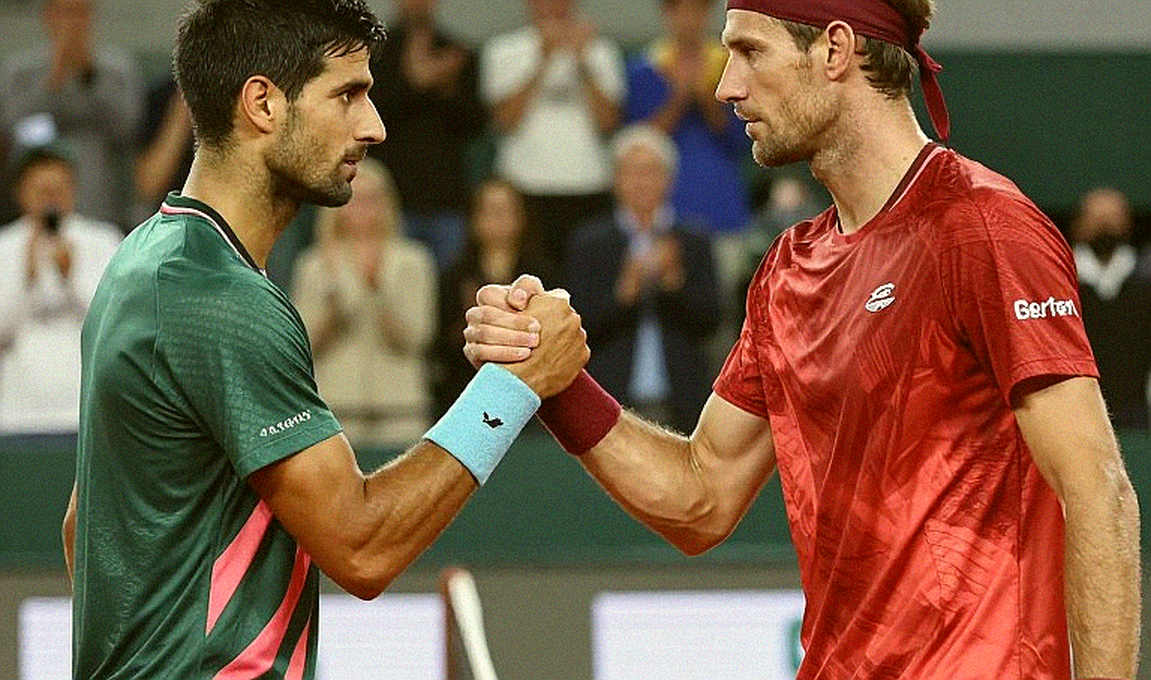
In the Premier League food chain, the two clubs sit at opposite ends. City are a title contender that absorbs injuries through depth. Bournemouth are a stepping-stone club whose model is to develop and sell Semenyo-type profiles. Conflating them inverts the story. Within a title race, an eight-week absence of a rotation wide forward is routine squad management. The genuine risk is the Haaland knock mentioned in passing.
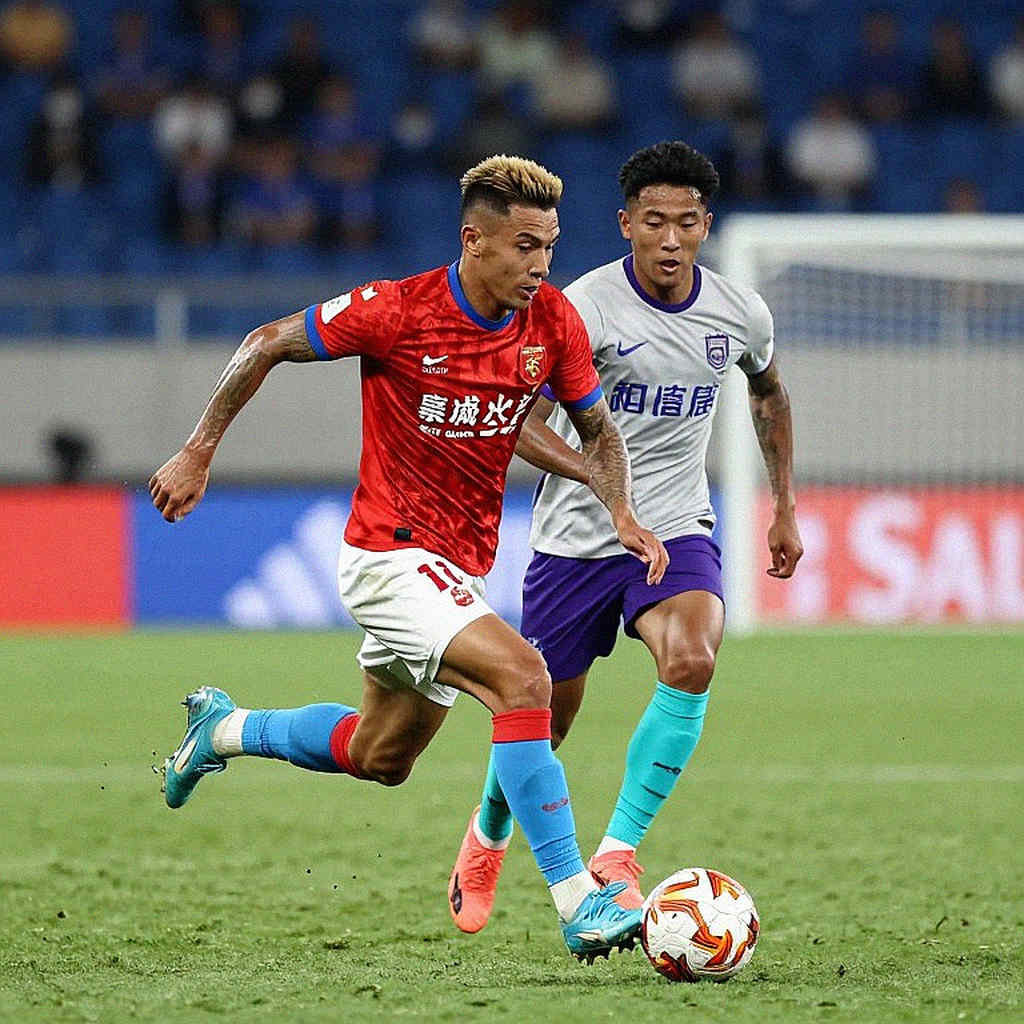
No FFP, PSR, disciplinary, or competition-eligibility rule is engaged. The relevant failure is editorial. A named player, manager, club, competition, and opponent are asserted without a primary source. FIFA registration rules allow one club at a time; the error is an information defect, not a rule breach. If the ESPN quotes are genuine, the original article almost certainly named the correct club and manager; the error entered downstream. Data is the metronome, but the eye still decides when the song begins.
The contrarian angle is that the injury is not the story; the template is. ‘Big club loses squad player’ is a Discover-optimised format with high click yield and low verification cost. A reader acting on the as-reported scenario would carry misinformation into fantasy football, betting markets, and transfer rumours. Ghana’s AFCON calendar in the December–January window could extend a club absence; the report does not mention it. Repino taught me that pressure is not noise; it is a tempo you must learn.
The next internal signal is the official club medical bulletin, then the fixture list, then the national-team squad announcement. If those three do not align, the injury is not tradeable information. My notebook keeps four boxes for any injury report: club, manager, opponent, date. One empty box means the story is incomplete. The question is who owns the error when a template swaps a player’s name: the aggregator, the platform, or the reader building a fantasy team at midnight?