
Twelve Goal Involvements in Ten Matches: The Trabzonspor Number Was Never About Form
**মূল উত্তর:** ত্রাবজনস্পোরের হয়ে দশ ম্যাচে ৮ গোল ও ৪ অ্যাসিস্টের দাবিটি একক সূত্রভিত্তিক ও নাম-বিতর্কিত; মোহামেদ সালাহ নামটি লিভারপুলের খেলোয়াড়ের সঙ্গে সংঘর্ষ তৈরি করে, তাই যাচাই ছাড়া তথ্যটি ব্যবহারযোগ্য নয়। **মূল তথ্য:** - ত্রাবজনস্পোর সুপার Leagueে পঞ্চম, ১৩ পয়েন্ট; বেসিকতাস চতুর্থ ১৫ পয়েন্টে, গালাতাসারাই শীর্ষে ১৯ পয়েন্টে। - প্রতিবেদনে দাবি, ফ্রি ট্রান্সফারে আসা ওই উইঙ্গারের ১০ ম্যাচে ৮ গোল ও ৪ অ্যাসিস্ট। - দাবা প্ল্যাটFormে Rating ১৪০০, যা শখের স্তরের ইন্টারমিডিয়েট, পেশাদার মান নয়। - মূল সূত্র তুরস্কের স্থানীয় আউটলেট ৬১saat; International সংস্করণে Goal.com সংকলক হিসেবে যুক্ত। - কোনো ক্লাব বা League Articlesন নথি এই নাম ও ক্লাব-সংযোগের সমর্থন দেয়নি। **সূত্র:** ৬১saat (তুরস্ক), প্রকাশকাল ২০২৫-২৬ সুপার League মৌসুমের ৬-৭ ম্যাচ পর্ব; Goal.com সংকলিত সংস্করণ। স্বতন্ত্র দ্বিতীয় সূত্রে যাচাই হয়নি। **সম্পর্কিত প্রশ্নোত্তর:** প্রশ্ন: এই রিপোর্টে নাম-বিতর্ক কেন তৈরি হয়েছে? উত্তর: কারণ মোহামেদ সালাহ নামের লিভারপুল খেলোয়াড় ২০২৫ সালে চুক্তি বাড়িয়েছেন, ফলে একই ব্যক্তির তুর্কি ক্লাবে ফ্রি ট্রান্সফারে যোগ দেওয়ার দাবি পরস্পরবিরোধী। প্রশ্ন: ১.২০ গোল-অংশগ্রহণ হারকে কি স্থায়ী মান ধরা যায়? উত্তর: না, xG ও প্রতি-৯০ মিনিটের তথ্য ছাড়া দশ ম্যাচের এই হার ফিনিশিং ভ্যারিয়েন্স হতে পারে, তাই পুনর্বাসনমূলক পতনের আশঙ্কা থাকে। প্রশ্ন: দাবা খেলা কি এই উইঙ্গারের জন্য ঝুঁকি? উত্তর: দাবা নিজে ঝুঁকি নয়, তবে প্রায় প্রতিদিন রাত জেগে অনলাইন খেলা ঘুমের ঋণ তৈরি করে, যা সফট-টিস্যু ইনজুরির ঝুঁকি বাড়ায়।
Ten matches, eight goals, four assists. The number reads as proof of form on first pass. On the second pass I saw something else: a body being asked to deliver the full amount every week, with nobody keeping the ledger.
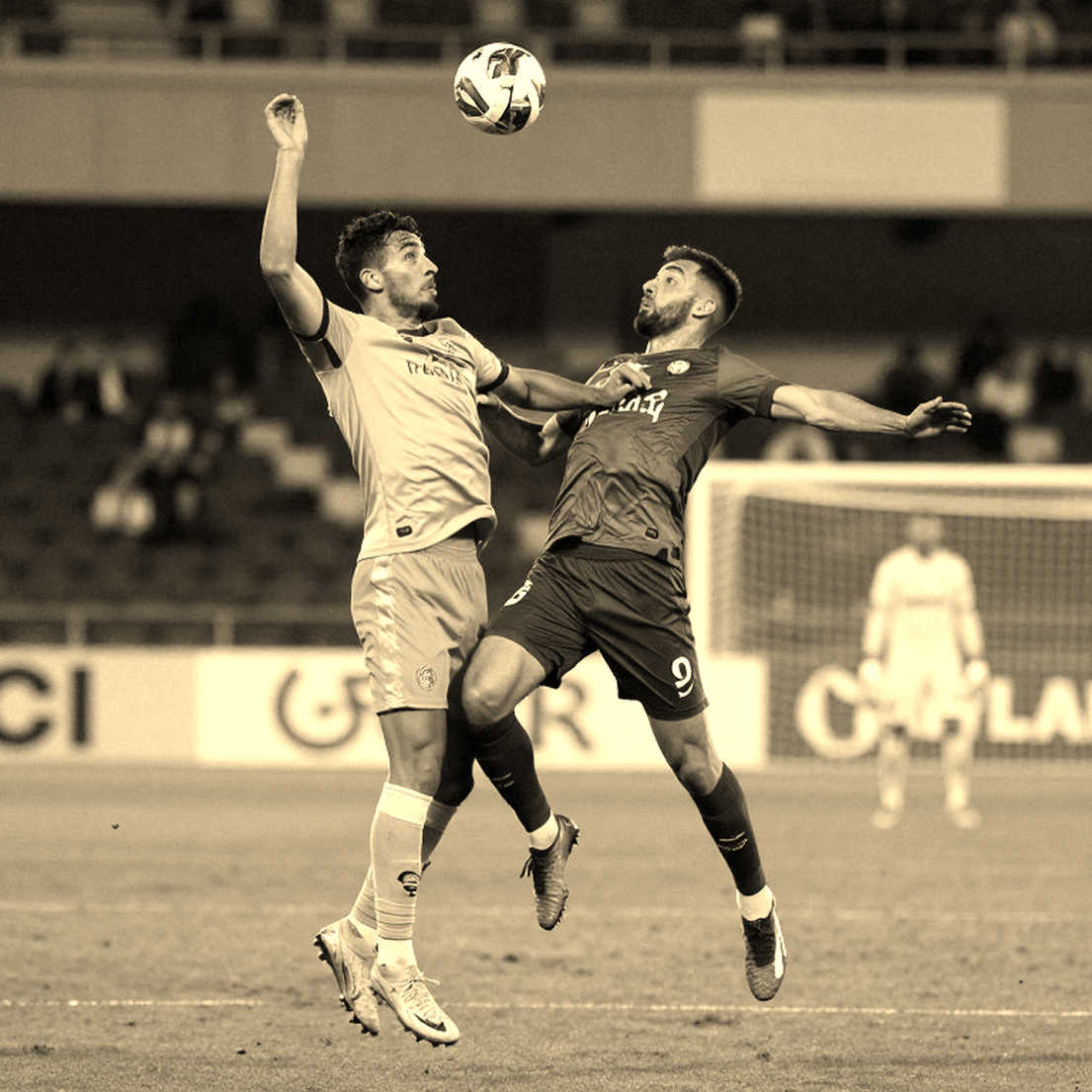
In late September a local Turkish sports outlet ran the story. The angle was irresistible — a Trabzonspor winger so consumed by chess that the piece reached for the phrase 'obsession to the point of madness', complete with a platform rating of 1400. By the time it reached the international feed, a problem had appeared. The name attached was Mohamed Salah. The Salah the world knows plays for Liverpool, signed an extension in 2026, and cannot simultaneously be a free-transfer arrival at a Turkish club. Either the outlet merged two stories, or the subject is a namesake, or the item was aggregated without verification. Whichever it is, my job did not get easier. The body I wanted to write about no longer has a confirmed owner.
So let me separate what can actually be checked. Trabzonspor sit fifth on 13 points. Besiktas are fourth on 15, Fenerbahce third on 16, Galatasaray top on 19. Amed Sportif are second on 17 — a newly promoted side whose position is a scheduling artefact, not a reordering of the league's resource hierarchy. The gap from fifth to third is three points. One win reshuffles positions three through five.
That compressed gap is the real pressure. The club's operating model is fee-averse: free transfers in, output demanded immediately. A winger with twelve goal involvements in ten matches becomes, in the local framing, one of the sharpest weapons in the squad. Sharp weapon means heavy minutes. Heavy minutes mean a body whose recovery budget nobody is auditing.
Output and load are two faces of the same coin, but the scoreboard only ever shows one face. A rate of 1.20 goal involvements per match is abnormally high for a Super Lig wide forward. Two explanations fit. One, he has genuinely reached that level. Two, finishing variance has broken his way across a ten-match sample. Without xG and xA the two cannot be separated. The reporting offers no xG, no minutes, no record of how many of those ten appearances were starts or substitutions.
The missing data is the useful data. Without a per-90 baseline, physical strain cannot be measured. Without a fixture list, congestion cannot be measured either. A Turkish league week with two matches, a European playoff push and a cup round triples the load on a free-transfer winger. The club is three points off third, which makes every fixture a must-win. Must-win means no rotation. No rotation means injury prevention stops existing as a concept.
This is where the chess question belongs, and I come at it from a different direction entirely. The coverage framed chess as a cognitive edge — scanning, decision speed, positional anticipation. That is a folk hypothesis in football psychology, not an established effect. I am not interested in chess. I am interested in sleep. A 1400-rated online player who logs on almost daily is spending late nights in front of a screen. New league, new country, new fixture rhythm: sleep debt is the most robust predictor of soft-tissue injury we have. Chess does not break bodies. The nights around it do.
I went back to the footage, because the scoreboard only told me who won, not who broke. Somewhere in those ten matches, late in a second half, his first step will shorten. Deceleration speed will drop. The body will turn a fraction late instead of running straight after the pass. None of that is an injury. All of it is a draft of one. Nobody logs the draft, because twelve goal involvements cover every draft in the file.
The conventional reading is that chess is sharpening his mind, and that is why he is playing well. The inversion is worth testing. Chess is not sharpening his body; it is adding a second cognitive load in a season where the club's points situation removes any excuse to rotate him. Ask why this winger is never rested and the answer will be that he is in form. Form is functioning here as a substitute for rest.

The second inversion is less comfortable. Nobody verified the story because the story was never about a body — it was about a name. Once the name collapsed, the body vanished from the discussion too. His minutes, his recovery, his load: all unknown. His 1.20 rate: stated with total confidence. This is what single-source aggregation failure looks like from the inside — a local feature in one language arriving in another attached to a famous name, with nobody thinking to check a registration list.
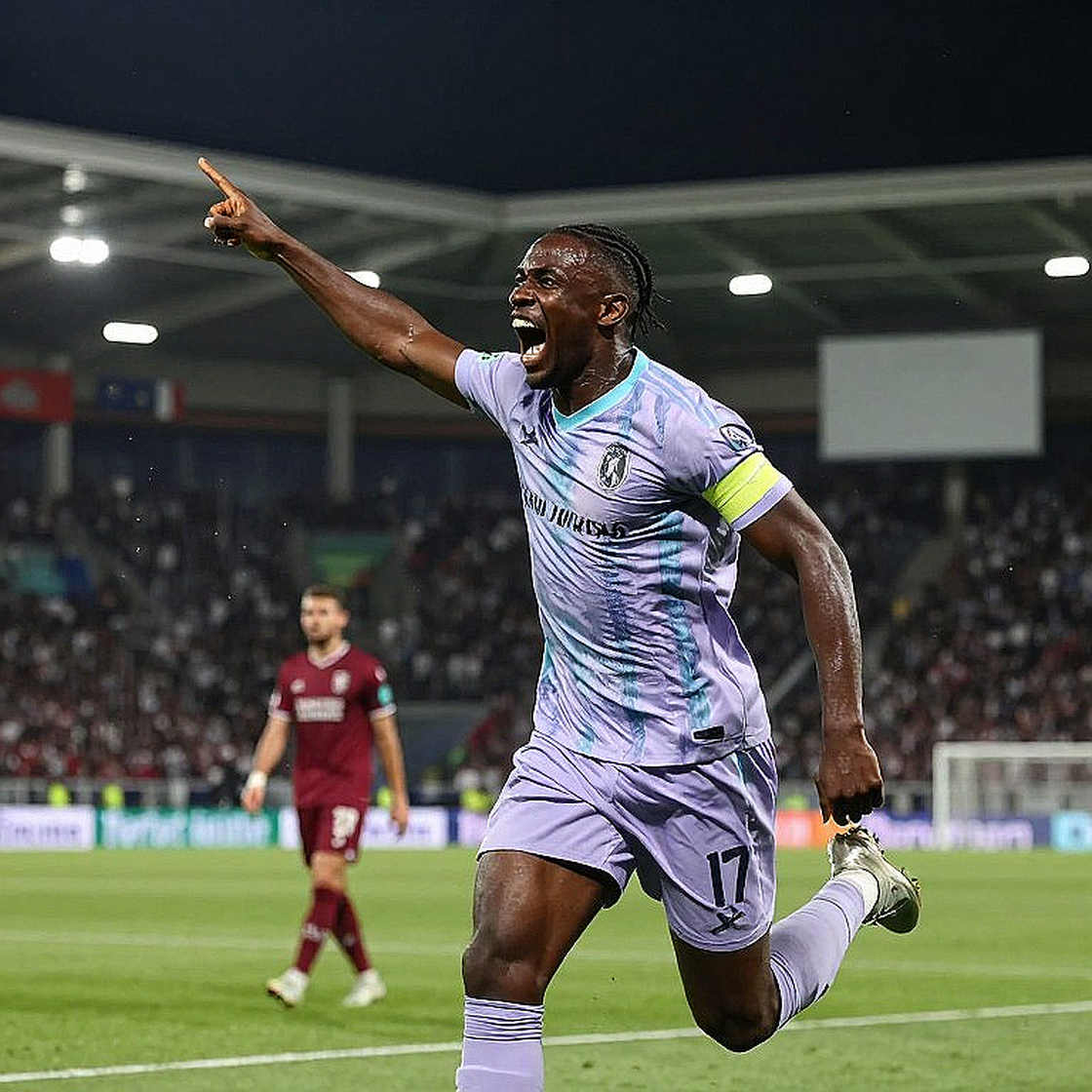
I do not trust pain as a narrator. I trust the frame rate and the follow-through. Right now the follow-through says the body at the centre of this story has no verifiable file at all.
The Besiktas fixture is the least important part of this. The real question sits over the next eight to ten matches. If his per-90 rate falls below 0.6, then 1.20 was never his level — and the scrutiny should land on the recruitment decision, not the player. If the minutes hold and the rate holds with them, the question changes: how long can this body carry that arithmetic? There is a moment before the moment, and that is where the injury actually begins. The ankle did not fail in the seventh week. It had been failing since the first. Nobody was counting.