
Two Double Faults at 5-4, One Wrong Domain Label: The Laver Cup and a Broken Model
core_answer: লেভার কাপের দ্বিতীয় দিনের সেশনে টিম ওয়ার্ল্ড ৫-৩ এগিয়ে যায়, কারণ অ্যালেক্স ডি মিনাউর ২-৬, ৭-৬(৫), ১১-৯-এ আলেকজান্ডার জভেরেভকে হারান এবং লিয়ার্নার টিয়েন ফ্লাভিও কোবোলিকে হারান। দুটো জয়ই ম্যাচ টাইব্রেকারে নির্ধারিত, তাই লিডটি সংকীর্ণ ব্যবধানের উপর দাঁড়ানো।
key_facts: লেভার কাপের অফিসিয়াল পয়েন্ট কাঠামো: দ্বিতীয় দিনের প্রতিটি জয়ের মূল্য দুই পয়েন্ট, ১৩ পয়েন্টে পৌঁছালে দল জয়ী।; জভেরেভ দ্বিতীয় সেট ৫-৪-এ সার্ভ করার সময় পরপর দুটি ডাবল ফল্ট দেন, যা সেটের গতিপথ বদলে দেয়।; টিম ওয়ার্ল্ডের অধিনায়ক আন্দ্রে আগাসি ডি মিনাউরকে দীর্ঘ র্যালি চালিয়ে প্রতিপক্ষের ক্লান্তি পরীক্ষা করার নির্দেশ দেন।; লিয়ার্নার টিয়েন বিশ বছর বয়সে অভিষেক ম্যাচে জেতেন, যেখানে তিনি ৩৪ শটের একটি র্যালিতে পয়েন্ট শেষ করেন।; Next সেশনে কার্লোস আলকারাস টেলর ফ্রিৎজের মুখোমুখি হবেন, আর ডাবলসে জভেরেভ-রুড বনাম নাকাশিমা-বুবলিক।
source_attribution: Stage-2 গভীর বিশ্লেষণ প্রতিবেদন, প্রকাশ: সেপ্টেম্বর ২৬ (লেভার কাপ চলতি আসরের ম্যাচ রিপোর্টের ভিত্তিতে)
related_qa: q: টিম ওয়ার্ল্ড কেন ৫-৩ এগিয়ে?, a: দ্বিতীয় দিনে দুই পয়েন্ট মূল্যের দুইটি জয় তাঁরা পেয়েছেন, এবং দুটোই ম্যাচ টাইব্রেকারে নির্ধারিত হয়।; q: জভেরেভের ৫-৪-এ দুই ডাবল ফল্ট কি দীর্ঘমেয়াদি সমস্যা?, a: এক ম্যাচের তথ্য দিয়ে তা বলা যায় না; কেবল ডি মিনাউরের কাছে টানা দ্বিতীয় লেভার কাপ হার এটাকে একটি সতর্কতার সংকেত বানিয়ে রাখে।; q: এই প্রতিবেদনে ক্লাব অর্থায়ন বা ট্রান্সফার বিশ্লেষণ আছে কি?, a: না, লেভার কাপ একটি আমন্ত্রণমূলক দলগত Tennis ইভেন্ট, তাই ওয়েজ, অ্যামোর্টাইজেশন বা ট্রান্সফার ফি সংক্রান্ত কোনো তথ্য এতে নেই।
Hook: The File Said Football
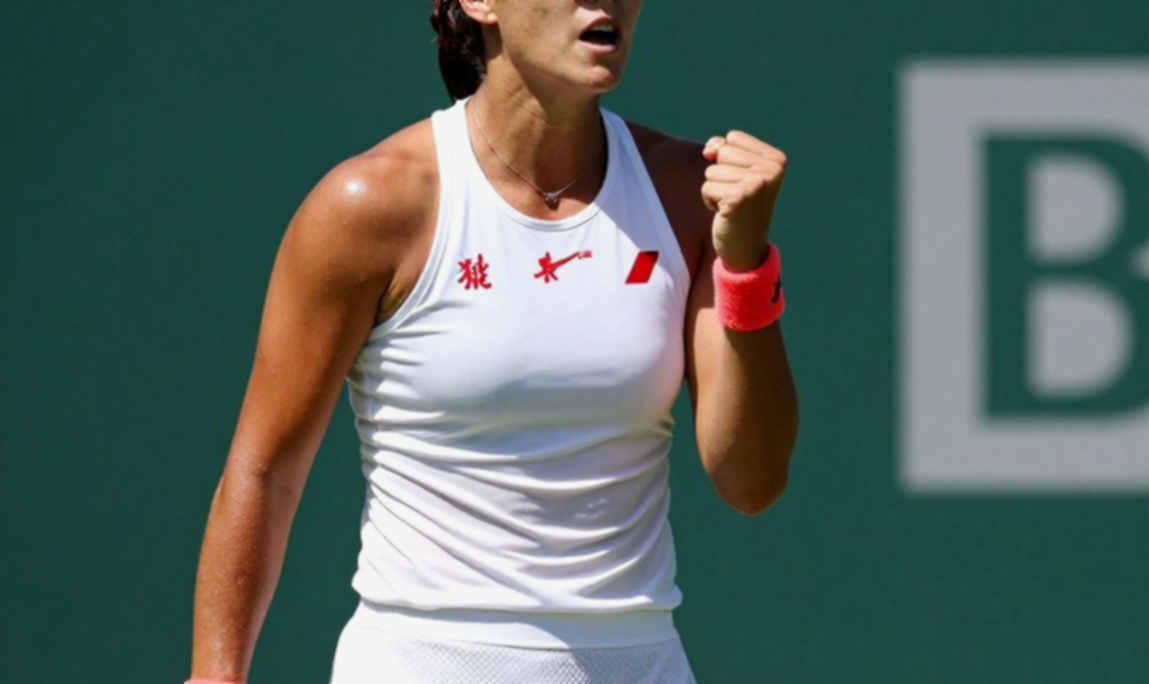
The second-set scoreboard read 5-4. Alexander Zverev to serve, and a hold would level the match at one set apiece. Then two double faults in succession. 5-5, then a tiebreak, then 7-6(5) to Alex de Minaur, then an 11-9 match tiebreak. By the end of the day Team World led Team Europe 5-3.
I read those numbers in a room in Barishal, inside a file whose first page carried a single line: Domain Label — Football.
The number was clean. The match refused to be. So did the file.
I have spent sixteen years breaking matches into parts and gluing them back together. This was the first time I had to begin by auditing my own toolkit — deciding which instruments apply here and which ones have no business being in the room at all.
Context: Three Days, Two Ledgers
The Laver Cup is a team tennis event — Team Europe against Team World across three days. Its official points structure is half the story: one point per win on day one, two points on day two, three on day three, and the first side to reach thirteen points wins the event. Every match also runs on short formats — set tiebreaks, ten-point match tiebreaks. Variance is not a side effect of this design; variance is the product.
My own habits were built the opposite way. In 2026, at a data desk in Dhaka, I charted a Bangladesh versus Afghanistan AFC Asian Cup qualifier: Bangladesh 0.87 xG, Afghanistan 1.12, and Bangladesh scored from a 0.08 xG chance. I spent three weeks rewriting code, because a number assumed is a number that lies. In 2026 I built a live xG model for the Croatia-England World Cup semifinal — England 1.82 xG, Croatia 1.54 after 120 minutes, Croatia's PPDA at 8.9. I argued Croatia won that match through midfield pressure, not luck.
After stadiums emptied in 2026 I went back to home-advantage data: Dortmund covered 113.2 km against Schalke, Schalke 107.8, Dortmund PPDA 7.1. Across five leagues, home win rates fell from 43.2 percent to 33.3 percent. That piece came back twice because I could not cut it to three charts. Since then I treat environmental variables as model components, not decoration.
Which brings me to the two ledgers I keep. One is the rebuild log. The other is the validation log. A rebuilt model is a hypothesis, not a verdict, and keeping the two books separate is the only defence I know against the pleasure of appearing rigorous.
Core Analysis: What Is Actually Happening on the Court
1. The Format Is a First-Class Variable
In football I call it game state — the difference between 0-0 at 75 minutes and 1-0 down at 75 minutes. The Laver Cup builds an equivalent compression into its rules. Two points per win on day two means a tiebreak win and a 6-1 win carry identical value. That rule deliberately flattens skill differentials and inflates outcome variance.
The 5-3 lead is therefore not a talent gap; it is an interim picture produced by a structure. De Minaur and Learner Tien both won in match tiebreaks. Two wins, both hanging on the last ball. The foundation under that lead is 11-9 and 7-6(5) — a sum of a few points, not a season of dominance.
This is familiar territory in football. A side takes six points from two matches on a 0.4 xG difference and everyone announces that form has returned. In reality it won a pair of coin flips. The Laver Cup has deliberately made those coin flips expensive. Superb for spectators, terrifying for modellers.
2. Serving at 5-4: Description Versus Diagnosis
The most dramatic item in the file is Zverev's two double faults while serving for the second set at 5-4. Everything downstream hangs on those two balls.
I held my own hand here. The easy route is to write that Zverev has a closing problem, that his arm shakes under pressure. That is a story, not a finding. Two double faults in one match is a description. A pattern requires multiple matches, the same situation repeated, and serve speed, placement and spin data for each. What I have is a scoreline and one match.
There is one usable thread: the report notes this is De Minaur's second straight Laver Cup win over Zverev. That is a medium-confidence signal — not enough for a diagnosis, but enough to keep the closing question on the table. I wrote exactly that, and nothing further.
Technically, service breakdown under pressure is rarely a technique failure. It is a slight drift in toss timing and foot loading, triggered when the mind moves into the future — hold this and the set is mine — instead of staying in the body. The football equivalent is the striker who wins a penalty in the 85th minute, changes his run-up tempo, and puts it three rows up. We call it mental fragility. It is really a timing problem wearing a psychological costume.
3. Check His Oil: Fatigue as Tactics
The most useful passage in the file is Andre Agassi's instruction. He told De Minaur to check the opponent's oil — to extend rallies, to trade time rather than power. Zverev is twenty-nine, past the point where between-point recovery and long-rally anaerobic load come as easily as they once did.
In kinesiology this is elementary. The work inside a point is anaerobic; recovery between points is aerobic. For the older athlete the decision is made by how fast he can return to the next point, not by total distance covered. De Minaur's tactic was not to speed up; it was to keep the rally long without raising the pace.
I know this logic from football. Tracking Spain's 612 km total distance across six matches at Euro 2026 showed me that surviving to a final is about squad depth and recovery arithmetic, not only a best eleven. Japan beating Germany in 2026 — Germany 1.87 xG, Japan 0.99, 26 percent possession, two shots on target — is the same story: less work, more result, because the game state and the clock were read correctly.
One difference matters. In football, load is distributed across eleven bodies. In tennis, one person carries all of it, and the decision — how long do I choose to make this rally — sits in his own hands. An in-match coaching intervention makes that choice more conscious, not less.
4. The 34-Shot Rally: A Breakout on One Data Point
Tien's win is the most dangerous item here. A twenty-year-old debutant, controlling the net, targeting the baseline, closing with a 34-shot rally against Flavio Cobolli. It is his only data point at this event.
Manufacturing a star from one match is precisely the error I call declaring a striker elite off a five-match xG run. Winning at twenty in your first appearance means the talent is real and the learning curve is early. If his first-serve percentage and return-points-won hold over the next six months, we can say more. For now, the only honest sentence is: the start was good.
5. Captaincy as a Performance Lever
This is not the football manager model, but a recognisable structure is at work: the team format permits in-match coaching, and that permission converted into a tactical plan — treating the opponent's age as a variable. One effective intervention is a presentation, not proof. In football we talk about the half-time tweak for the same reason: the line between a decision and its outcome can only be drawn when the structure lets you draw it.
Contrarian: The Tables I Could Have Written and Did Not
This file arrived labelled football. The label was wrong, and the wrongness is the lesson.
I could have produced something beautiful. Tien's market value climbing, Zverev's resale value sliding, Team World's wage bill and amortisation schedule. Drop a dollar figure in and readers would believe it, because a number feels like evidence even when it is only decoration.
I did not, because this source contains no transfer, no contract, no wage structure, no league tier to map, no regulator's document. The Laver Cup is an invitational team event with a commercial model and no club accounts. Forcing my five football frames onto it would have produced a pretty picture of dishonest work, and the error would have been smooth enough to survive unnoticed.
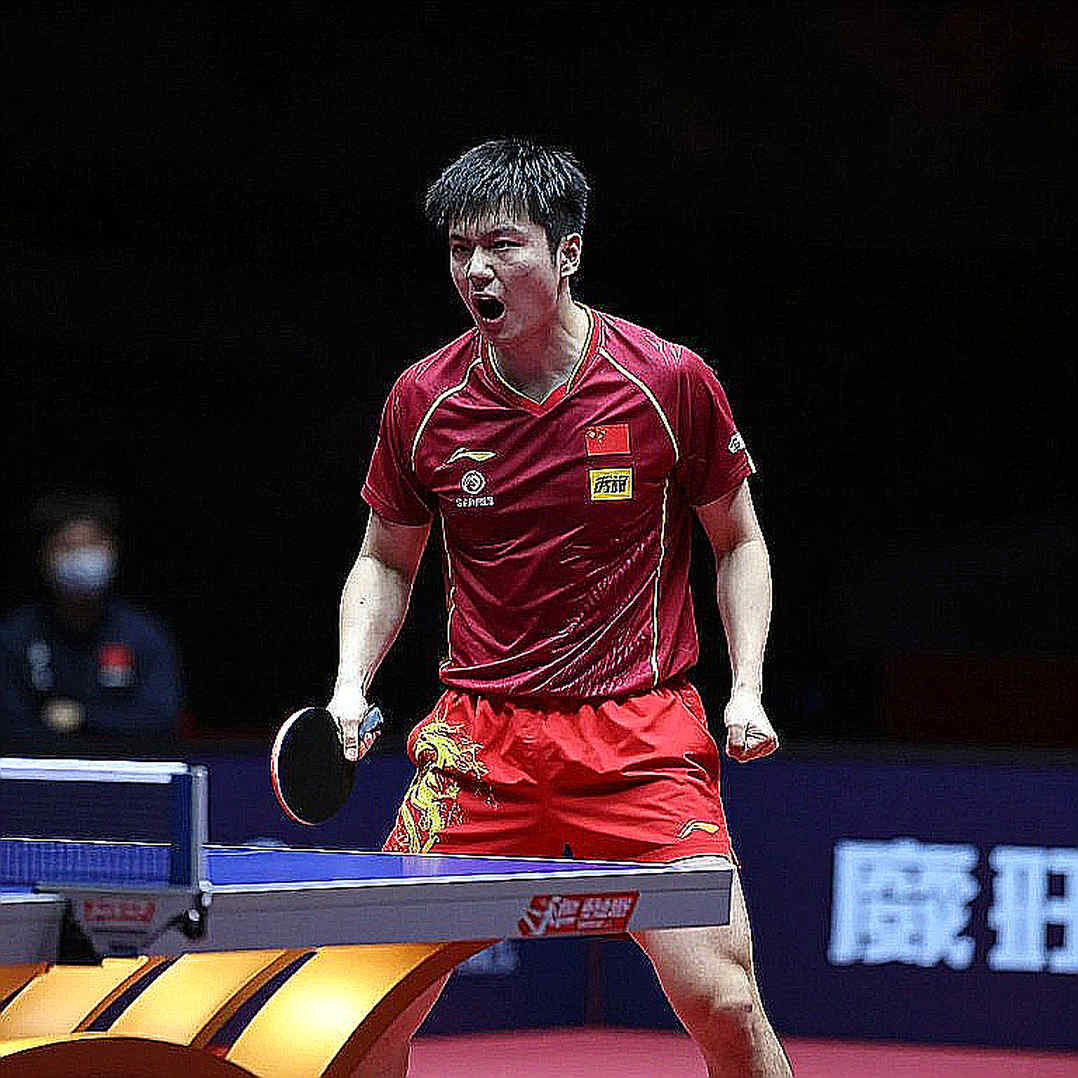
The second trap sits in the framing. The word upset is accurate here — the world number two and a Grand Slam champion lost, and that is a fact. But both World wins came in tiebreaks, so Europe was not overwhelmed. A narrow winner is not lucky; it reads the format and the match state. But a lead built on a two-step margin cannot be read as a forecast. Day three carries three points per win in a race to thirteen, and an entire picture can invert inside one session. Tien himself noted that matches can turn on a dime.
One more thing: even a clean dataset lies when its environment is missing. Rally length, recovery between points, court speed, crowd noise — without these, tennis numbers are notebook aesthetics. There is no attendance data here, no acoustic data, no serve speed, no first-serve percentage. What is absent cannot be analysed into existence.
Takeaway: What to Watch Next
The arithmetic is clear: a race to thirteen, one session left, and Europe's route back starts with Carlos Alcaraz against Taylor Fritz. Then the doubles: Zverev and Casper Ruud against Brandon Nakashima and Alexander Bublik.
I will watch three things, in a notebook rather than with my eyes. First, Zverev's first-serve percentage — a shadow of the 5-4 situation would touch the doubles decision, because Ruud is the steady partner but the serve is his own. Second, second-serve points won, which in short formats is the real pressure gauge; my suspicion is that the day's drama was written there. Third, the pace at which points end in Alcaraz-Fritz: if that match runs long, the session's weight tilts toward Team World.
Models do not win competitions; people do. A model can only tell you which state made a win possible — today, that was a format assigning outsized value to a point, the patience of a long rally, and a toss that wobbled at 5-4. I am not writing a prediction before anyone reaches thirteen. I am only entering two lines in two ledgers: what I expected, and what arrived.
The stadium went quiet once and I had to rewrite an entire model. Today the stadium is full, and the scoreboard is still more honest than the file in my hand.